
Have you ever wondered how smoke detectors in your home stay connected and work together to keep you safe? Understanding how smoke detectors are wired can give you peace of mind and help you maintain your safety system better.
Whether you’re thinking about installing new detectors or just curious about what’s behind those beeping alarms, this guide will walk you through everything you need to know. By the end, you’ll see how these simple devices link up to protect you and your loved ones more effectively.
Keep reading to discover how your smoke detectors are wired and why it matters for your safety.
Types Of Smoke Detectors
Smoke detectors come in different types. Each type works in its own way to keep you safe. Understanding these types helps you choose the best one for your home.
Some smoke detectors run on batteries, while others are wired into your home’s electrical system. There are also models that combine both features for extra safety.
Battery-powered Models
Battery-powered smoke detectors are easy to install anywhere. They do not need wires or electrical work. These models work even during power outages. You must check batteries regularly to keep them working.
Hardwired Systems
Hardwired smoke detectors connect to your home’s power. They often link together, so all alarms sound at once. These systems usually have battery backup for power loss. Installation may require an electrician’s help.
Combination Detectors
Combination detectors use both battery and wiring. They offer the benefits of hardwired and battery models. These detectors provide reliable power and easy installation. Many also include carbon monoxide detection for extra protection.

Credit: www.youtube.com
Basic Wiring Principles
Understanding the basic wiring principles of smoke detectors is key for safety and efficiency. Proper wiring ensures detectors work correctly and alert you in case of smoke or fire. The wiring involves connecting power, linking multiple units, and grounding. Each part plays a crucial role in the system’s reliability.
Power Supply Requirements
Smoke detectors need a constant power source to function. Most use 120-volt AC power from the home’s electrical system. They also have a backup battery to keep working during power outages. Wiring must connect to the home’s power safely and follow electrical codes. This setup helps the detector stay active all the time.
Interconnection Basics
Interconnected smoke detectors link multiple units together. When one detector senses smoke, all alarms sound. This connection uses a special wire that carries the signal between devices. Proper wiring ensures the signal travels quickly and reliably. Interconnection increases home safety by alerting everyone at once.
Grounding Importance
Grounding protects the smoke detector and home from electrical faults. It provides a safe path for stray electricity to flow into the earth. This reduces the risk of electric shock and damage to the system. Ground wires must be correctly connected following local codes. Proper grounding keeps your smoke detectors safe and stable.
Wiring Hardwired Smoke Detectors
Wiring hardwired smoke detectors ensures your home stays safe from fire risks. These detectors connect to your home’s power supply. They work together, so if one alarm sounds, all alarms ring. This system gives early warnings and better protection.
Tools And Materials Needed
Gather basic tools before starting the installation. You will need a screwdriver, wire stripper, and electrical tape. A voltage tester is important to check power. Also, have wire nuts and a drill ready. Smoke detectors and mounting brackets are essential too.
Step-by-step Installation
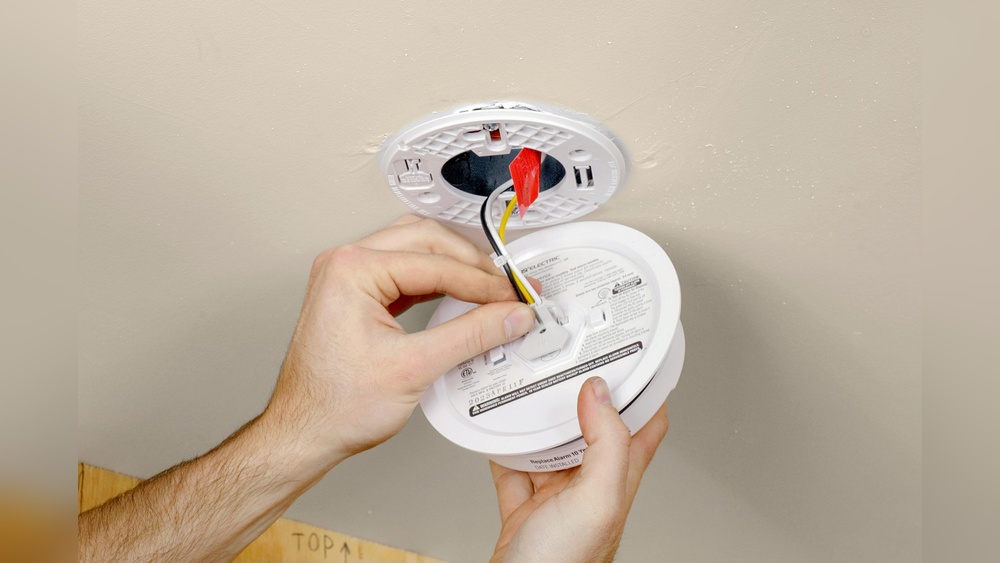
Turn off the main power to avoid shocks. Remove the old detector or prepare a new spot. Connect the black wire from the detector to the black house wire. Connect the white wire to the white house wire. Use wire nuts to secure connections. Attach the interconnect wire to allow alarms to link. Mount the detector on the ceiling or high wall. Restore power and test the alarm for correct operation.
Common Wiring Configurations
Most homes use a three-wire system: black, white, and red. Black is for power, white is neutral, and red connects alarms together. Some systems may have a two-wire setup without interconnect. Hardwired detectors must match your home’s wiring type. Follow local electrical codes to ensure safety and compliance.
Interconnecting Multiple Detectors
Interconnecting multiple smoke detectors increases safety in homes and buildings. It allows all alarms to sound together if one detects smoke. This system helps people hear warnings from any room. Proper wiring and setup are essential for effective communication between detectors.
Wiring For Signal Sharing
Interconnected smoke detectors use a special wire to share signals. This wire links all detectors in a series or loop. When one alarm senses smoke, it sends a signal through the wire. Other alarms receive the signal and start ringing immediately. This wiring must be separate from power lines to avoid interference.
Ensuring Proper Communication
Each detector must be compatible with the others for smooth communication. Use the same brand or model recommended for interconnection. Connect the signal wire correctly to all detectors’ terminals. Test the system regularly to confirm alarms respond together. Proper communication saves lives by alerting everyone quickly.
Troubleshooting Interconnected Systems
If alarms do not sound together, check the wiring first. Look for loose connections or damaged wires. Replace faulty detectors or batteries promptly. Use a tester tool to verify signal wire continuity. Clear any dust or debris inside detectors that could block sensors.
Safety Precautions During Installation
Installing smoke detectors requires care and attention to safety. Following proper precautions protects you from accidents and ensures the device works well. Safety steps reduce risks of electric shock or damage during wiring. These simple rules help keep your home safe and secure.
Turning Off Power Safely
Always turn off the power before starting the installation. Use the circuit breaker to cut electricity to the room. Double-check that the power is off by testing the light switch or outlet. This step prevents shocks and injury while working with wires.
Avoiding Electrical Hazards
Use insulated tools to avoid contact with live wires. Keep your hands dry and stand on a dry surface. Never touch two wires at the same time. Follow manufacturer instructions for wiring connections carefully to avoid short circuits or sparks.
Compliance With Local Codes
Check local building codes before installation. Codes guide how to wire smoke detectors safely and correctly. Following rules ensures your system meets safety standards. It also helps avoid fines or problems during home inspections.
Testing And Maintenance Tips
Testing and maintenance keep smoke detectors working well. They help find problems early. This ensures your home stays safe from fire risks.
Regular checks prevent false alarms and device failures. Proper care extends the life of your smoke detector.
Initial Functionality Tests
After installation, test the smoke detector to confirm it works. Press the test button until you hear a loud beep. This sound shows the alarm is active.
Test each detector separately to ensure all respond. If no sound occurs, check the wiring or power source.
Regular Maintenance Routines
Clean smoke detectors monthly. Dust and dirt can block sensors and cause errors. Use a soft brush or vacuum to remove debris gently.
Check wiring connections for loose or damaged wires. Tighten or repair any faults found. Inspect detectors for cracks or physical damage.
Replacing Batteries And Components
Change batteries every six months or when the alarm signals low power. Use the battery type recommended by the manufacturer.
Replace smoke detectors every 10 years or as advised. Components can wear out and reduce safety over time.
Keep spare batteries and parts handy for quick replacements. This keeps your system ready at all times.
Upgrading Existing Systems
Upgrading existing smoke detector systems improves safety and functionality. Older systems may lack modern features or proper coverage. Updating wiring and devices can prevent failures and improve alert speed. Homeowners can enhance protection by integrating new technology.
Integrating With Smart Home Devices
Smart home devices connect smoke detectors to your phone or alarm system. This allows instant alerts if smoke or fire is detected. Integration requires compatible wiring and sometimes new control panels. It helps monitor your home remotely and respond faster to emergencies.
Replacing Old Wiring
Old wiring may degrade or fail over time. Replacing it ensures reliable power and communication between detectors. Use modern wiring standards for safety and compliance. Proper wiring supports new devices and system expansions without interruption.
Enhancing Coverage Areas
Adding detectors in blind spots improves overall safety. Wiring must extend to new locations to connect all units. Consider rooms like basements, garages, and hallways. Good coverage detects smoke early and protects the entire home.
Credit: help.aartech.ca

Credit: www.support.getzooz.com
Frequently Asked Questions
How Are Smoke Detectors Typically Wired Together?
Smoke detectors are often wired in series or interlinked. This setup ensures if one detects smoke, all alarms sound simultaneously, enhancing home safety and early fire detection.
What Is The Difference Between Hardwired And Battery Smoke Detectors?
Hardwired detectors connect directly to home electrical systems with battery backup. Battery-only detectors rely solely on batteries, making hardwired models more reliable and better for continuous protection.
Can Smoke Detectors Be Connected To A Home Security System?
Yes, many smoke detectors integrate with home security systems. This connection allows alerts to be sent remotely, providing immediate notification to homeowners and emergency services for faster response.
Why Is Interconnecting Smoke Detectors Important?
Interconnected smoke detectors increase safety by sounding all alarms when one senses smoke. This feature ensures everyone in the building hears the warning, even if they are far from the source.
Conclusion
Wired smoke detectors help keep homes safer by working together. They send alerts through a shared system, making sure everyone hears the warning. Installing them correctly means following simple wiring steps and safety rules. Regular checks keep the system working well and protect your family.
Understanding how these devices connect gives peace of mind. Remember, a well-wired smoke detector can save lives in emergencies. Stay safe by choosing the right setup and keeping it maintained.