
Imagine a bathroom where every feature is designed with your comfort and independence in mind. If you or a loved one uses a wheelchair, having a bathroom that’s easy to navigate isn’t just a luxury—it’s essential.
But how do you create a space that’s both functional and stylish? In this guide, you’ll discover simple yet effective wheelchair accessible bathroom designs that maximize space, improve safety, and enhance your daily routine. Whether you’re planning a remodel or just exploring ideas, these tips will help you transform your bathroom into a welcoming, accessible haven you’ll love to use every day.
Keep reading to find out how small changes can make a big difference in your home.
Credit: blog.innovatebuildingsolutions.com
Space And Layout
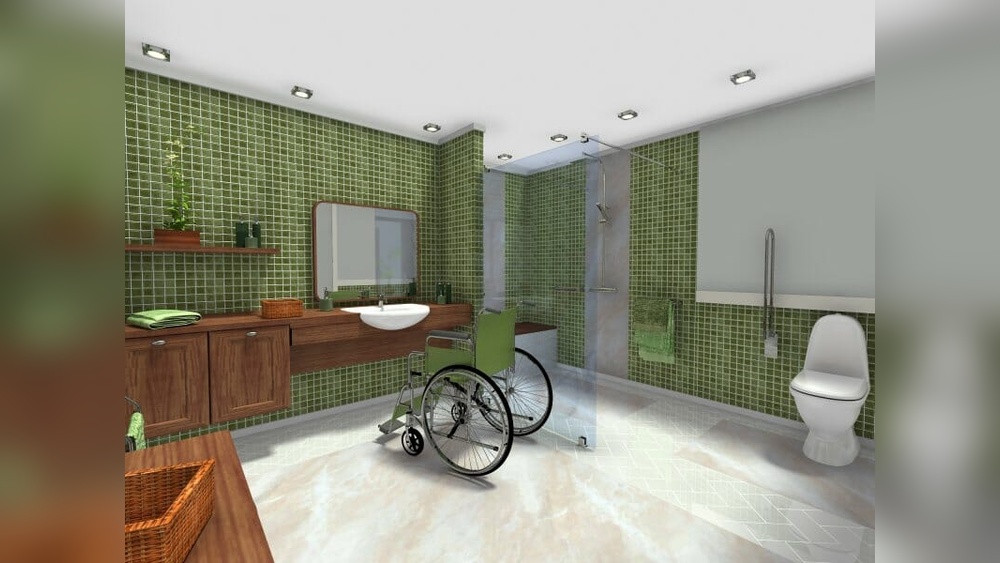
Designing a wheelchair accessible bathroom starts with smart space and layout planning. The layout must support easy movement and safety. Every inch counts in making the bathroom practical and comfortable. Careful attention to space allows wheelchair users to navigate without trouble.
Turning Radius Requirements
A key factor is the turning radius. Wheelchairs need enough room to turn around. The ideal space is a circle with a diameter of at least 60 inches. This space lets users change direction smoothly. Without this, maneuvering becomes difficult and unsafe.
Wide Doorways
Doorways must be wide enough for wheelchairs. A minimum width of 32 inches is necessary. Wider doors ease entry and exit. Sliding doors are a good option. They save space and avoid blocking pathways.
Clear Floor Space
Clear floor space is crucial for movement. Keep floors free of obstacles and clutter. At least 30 by 48 inches of clear floor space is recommended near fixtures. This space allows users to approach sinks, toilets, and showers comfortably.
Sink Designs
Sinks in wheelchair accessible bathrooms need special design features. These features make daily tasks easier and safer for users. Thoughtful sink designs improve comfort and independence.
Here are key sink design ideas that support accessibility and convenience.
Roll-under Sinks
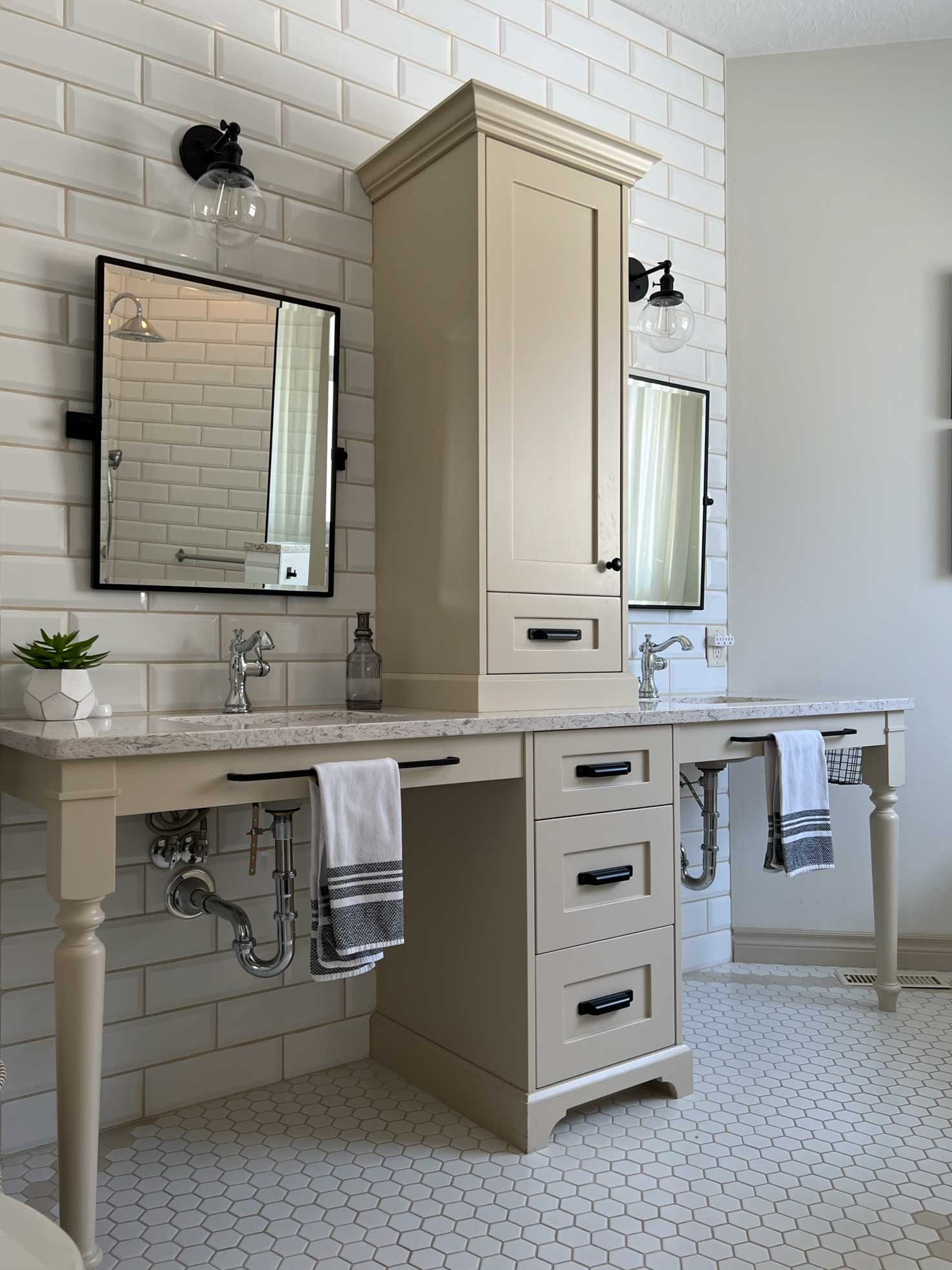
Roll-under sinks allow wheelchair users to get close enough to use the sink comfortably. The space beneath the sink stays open and clear. This design prevents knees from hitting pipes or cabinets. It provides enough legroom and foot space.
Plumbing is often recessed or insulated to avoid burns or injuries. Roll-under sinks create a smooth, barrier-free experience in the bathroom.
Lowered Sink Height
Sinks set at a lower height help users reach them easily. The standard sink height may be too tall for someone seated. Lowered sinks typically range from 29 to 34 inches above the floor.
This height adjustment ensures better arm reach and control. It reduces strain and allows comfortable use for wheelchair users.
Single-lever And Touchless Faucets
Single-lever faucets are easier to operate than traditional ones. They require less hand strength and simple wrist movement. This suits users with limited dexterity or grip.
Touchless faucets add hygiene and convenience. They activate with a hand wave or sensor. No need to twist knobs or handles. These faucets reduce the risk of spreading germs.
Toilet Features
Toilet features in wheelchair accessible bathrooms focus on ease and safety. They help users move comfortably and reduce risk of falls. Proper design supports independence and dignity.
Comfort Height Toilets
Comfort height toilets are taller than standard models. They measure about 17 to 19 inches from floor to seat. This height makes sitting and standing easier for wheelchair users. It reduces strain on knees and hips. Comfort height toilets fit well in accessible bathrooms.
Transfer Space
Transfer space is the clear area beside the toilet. It allows a wheelchair user to move sideways onto the toilet seat. The space should be at least 60 inches wide and 56 inches deep. Enough room helps avoid awkward movements. It also prevents accidents during transfers.
Safety Rails Installation
Safety rails provide support when using the toilet. They must be strong and securely fastened to walls. Rails help users balance and lower themselves safely. Placing rails on both sides of the toilet is ideal. This setup offers better stability and confidence.
Shower And Tub Options
Choosing the right shower and tub options is essential for a wheelchair accessible bathroom. These features improve safety and ease of use. They also provide comfort and independence. The design must consider space, support, and accessibility. Below are key options to consider for an accessible shower and tub.
Curbless Roll-in Showers
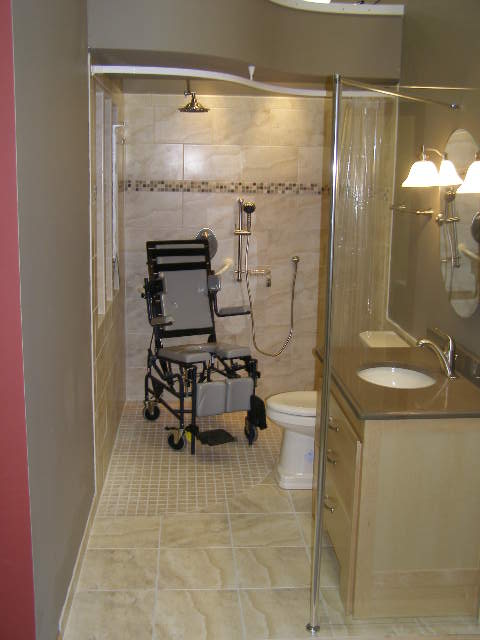
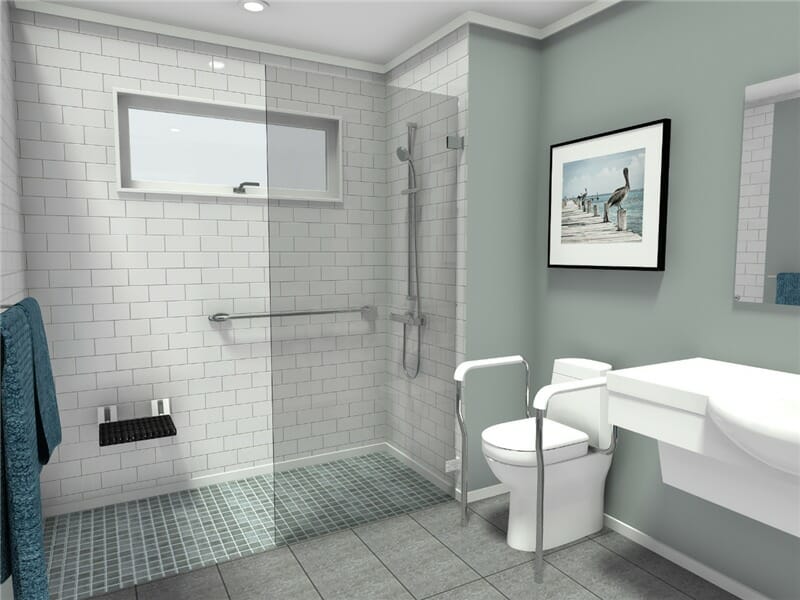
Curbless roll-in showers have no step or lip to enter. This design allows easy wheelchair access. The floor is level with the bathroom. It helps prevent trips and falls. Large drain areas keep water flowing smoothly. These showers often have wide doors or open entrances.
Built-in And Transfer Benches
Built-in benches offer a stable place to sit while showering. Transfer benches extend outside the shower for easy wheelchair transfers. Both options reduce the risk of slipping. They provide comfort and support. Materials should be water-resistant and easy to clean.
Grab Bars Placement
Grab bars help users maintain balance and move safely. Place them near the shower entrance, seat, and controls. Bars must be securely anchored to support body weight. Horizontal and vertical bars offer different support angles. Correct placement improves confidence and reduces falls.
Handheld Showerheads
Handheld showerheads give more control over water direction. They allow users to shower while seated. Adjustable height mounts add flexibility. Hose length should be long enough for easy reach. These showerheads make bathing simpler and more comfortable.
Walk-in Tubs
Walk-in tubs have doors that open to allow easy entry. They provide a safe bathing experience without climbing over high tub walls. Many models include built-in seats and grab bars. Some also offer therapeutic jets for relaxation. These tubs fit well in accessible bathroom designs.
Flooring And Safety
Flooring and safety are vital in wheelchair accessible bathroom designs. The right floor keeps users steady and prevents accidents. Bathrooms often get wet, increasing slip risks. Thoughtful design reduces hazards and improves comfort for wheelchair users.
Non-slip Surfaces
Choose floors with non-slip textures. Materials like textured vinyl or rubber improve grip. Avoid smooth tiles that get slippery when wet. Non-slip coatings can add extra safety to existing floors. This helps wheelchair users move confidently without fear of falling.
Water Drainage Solutions
Good drainage stops water buildup on floors. Sloped floors direct water to drains quickly. Floor drains placed near showers and sinks prevent puddles. Using linear drains allows smooth wheelchair movement. Proper drainage keeps floors dry and safe for everyone.
Adequate Lighting
Bright lighting helps users see floors clearly. Use LED lights to brighten the entire bathroom evenly. Avoid harsh shadows that hide wet spots or obstacles. Motion sensor lights provide illumination without needing to find switches. Well-lit floors reduce trips and falls in the bathroom.
Credit: erinzubotdesign.com
Storage And Accessories
Storage and accessories play a key role in wheelchair accessible bathroom designs. They improve usability and keep the space organized. Thoughtful placement of shelves and accessories helps users reach items easily. This reduces strain and enhances safety.
Smart storage solutions also contribute to a neat and comfortable bathroom. Choosing the right accessories tailored to accessibility needs increases independence. Technology can further simplify daily routines.
Accessible Shelving
Accessible shelving offers storage within easy reach. Open shelves at lower heights work best for wheelchair users. Adjustable shelves allow customization based on individual needs. Shelves near the sink or toilet keep essentials handy. Smooth edges and sturdy materials prevent injuries and accidents.
Easy-to-reach Accessories
Easy-to-reach accessories improve comfort and convenience. Grab bars, soap dispensers, and towel racks should be mounted low. Accessories with large, easy-to-grip handles reduce difficulty. Wall-mounted holders save floor space and avoid clutter. Clear labeling helps users identify items quickly.
Smart Bathroom Technology
Smart bathroom technology enhances accessibility and independence. Motion-sensor faucets reduce the need to twist knobs. Voice-activated lighting allows hands-free control. Automated toilets with bidet functions improve hygiene. Smart mirrors with adjustable angles assist daily grooming tasks. These technologies support a safer and more efficient bathroom experience.
Credit: www.roomsketcher.com
Frequently Asked Questions
How To Design A Wheelchair-accessible Bathroom?
Design a wheelchair-accessible bathroom with a 60-inch turning radius and 32-inch wide doorways. Install roll-under sinks and grab bars near toilets and showers. Use a curbless shower for easy entry. Ensure clear floor space for maneuverability and place fixtures at accessible heights.
Does Medicare Pay For A Handicap Bathroom Remodel?
Medicare typically does not cover handicap bathroom remodels unless deemed medically necessary. Coverage depends on individual cases and specific Medicare plans.
How Big Does A Bathroom Need To Be To Be Wheelchair Accessible?
A wheelchair-accessible bathroom needs at least 60 inches in diameter for turning radius. Doorways should be 32 inches wide minimum. Clear floor space of 30×48 inches is essential near fixtures for easy access. Fixtures must allow wheelchair approach and maneuverability.
What Does An Ada Compliant Bathroom Look Like?
An ADA compliant bathroom features wide doorways, clear floor space, and a 60-inch turning radius. It includes grab bars near toilets and showers, a roll-under sink, and accessible fixtures at proper heights for wheelchair users. The layout ensures safe, independent use by people with disabilities.
Conclusion
Creating a wheelchair accessible bathroom improves safety and independence. Thoughtful design makes daily routines easier for everyone. Simple changes can offer comfort and convenience. Focus on wide doorways, grab bars, and roll-in showers. Choose fixtures that are easy to reach and use.
This approach supports dignity and freedom at home. Everyone deserves a bathroom that fits their needs. Start planning today for a more accessible space.