
When it comes to bathroom designs for the elderly and handicapped, your comfort and safety must come first. Imagine a space where every fixture, every handle, and every corner is designed to make your daily routine easier and more secure.
Whether you’re remodeling your bathroom or planning a new one, the right design can help you maintain independence and confidence. From wide doorways that welcome you in without hassle to curbless showers equipped with sturdy grab bars and easy-to-use handheld showerheads, these thoughtful features transform your bathroom into a true sanctuary.
Ready to discover how simple changes can make a big difference? Keep reading to explore smart, practical ideas that prioritize accessibility without sacrificing style. Your ideal, safe bathroom awaits.
Wide Doorways And Entryways
Wide doorways and entryways play a vital role in bathroom designs for elderly and handicapped individuals. They provide easy access for wheelchairs and walkers. Wider openings reduce the risk of accidents and make movement smoother.
Designing bathrooms with ample entry space creates a safer and more comfortable environment. It also allows caregivers to assist without difficulty. Thoughtful planning of door width and layout enhances independence for users.
Turning Radius Requirements
The turning radius is the space needed for a wheelchair to make a full turn. Bathrooms should have at least a 60-inch diameter clear floor space. This space ensures users can navigate without strain or risk of falling. Proper turning radius improves usability and safety.
Curbless Entry Benefits
Curbless or walk-in showers remove the step or threshold barrier. They prevent tripping hazards and allow smooth roll-in access. This design suits wheelchairs, walkers, and users with limited mobility. Curbless entries also simplify cleaning and maintenance.
Non-slip Flooring Options
Non-slip flooring reduces the chance of slips and falls in wet areas. Materials like textured vinyl, rubber, or slip-resistant tiles work well. Floors should stay safe when wet and easy to clean. Choosing the right flooring protects elderly and handicapped users.
Credit: www.e-architect.com
Shower And Bathtub Features
Shower and bathtub features play a crucial role in designing bathrooms for elderly and handicapped users. These features enhance safety and comfort. Thoughtful design reduces the risk of falls and makes bathing easier. Accessible showers and tubs promote independence and dignity.
Curbless And Roll-in Showers
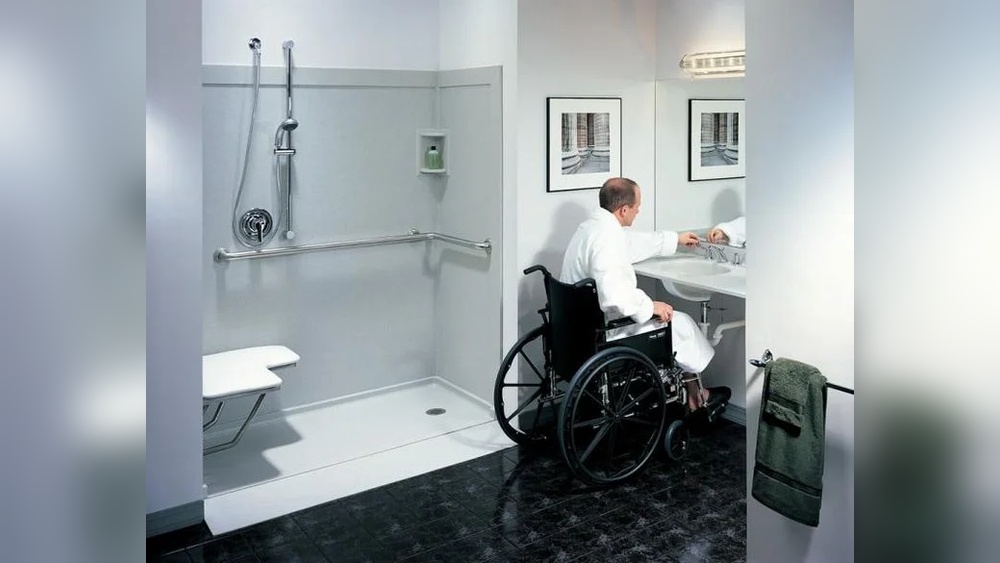
Curbless showers have no step or threshold. They allow smooth entry for wheelchairs or walkers. Roll-in showers are spacious and flat, providing easy access. Both designs eliminate tripping hazards. They create a safe, open space to move freely.
Pressure-balanced Shower Controls
Pressure-balanced controls keep water temperature steady. They prevent sudden hot or cold water bursts. This feature protects sensitive skin from burns. Controls are easy to reach and simple to operate. Users can adjust temperature without struggle.
Grab Bars Placement
Grab bars offer extra support and balance. Place them near the shower entrance and inside the shower. Bars should be securely mounted at comfortable heights. Proper placement helps users stand and move safely. They reduce the risk of slipping or falling.
Accessible Shower Accessories
Accessories like handheld showerheads add flexibility. They make rinsing easier while seated or standing. Shower seats provide rest and comfort during bathing. Soap dishes and shelves should be within easy reach. These details improve usability for all users.
Toilet Accessibility
Toilet accessibility is essential in bathroom designs for elderly and handicapped individuals. It ensures safety, comfort, and independence during use. Thoughtful features reduce the risk of falls and make daily routines easier.
Proper toilet accessibility creates a secure environment. It supports mobility and helps users maintain dignity. Design choices focus on stability, ease of use, and hygiene.
Supportive Grab Bars
Grab bars provide critical support near the toilet. They help users sit down and stand up safely. Bars should be sturdy and securely fixed to walls. Position them at heights that match user needs. Using non-slip, corrosion-resistant materials increases durability. Proper placement reduces strain and prevents accidents.
Flush Controls Accessibility
Flush controls must be easy to reach and operate. Lever-style or automatic flush systems work well for limited hand strength. Controls placed on the side or front improve access. Clear labeling helps users understand their function quickly. Smooth operation reduces frustration and effort.
Bidet And Washlet Options
Bidets and washlets improve hygiene for elderly and handicapped users. They offer gentle cleaning without needing to twist or reach. Many models include heated seats and adjustable water pressure. Controls are often remote or large buttons for ease. Installing these options enhances comfort and independence.

Credit: www.bathwraps.com
Sink And Vanity Design
The sink and vanity area plays a vital role in bathroom designs for elderly and handicapped users. It must provide comfort, accessibility, and safety. Thoughtful design helps users maintain independence and ease of use. Key elements include proper clearance, height adjustments, easy-to-use faucets, and accessible storage.
Clearance For Wheelchairs
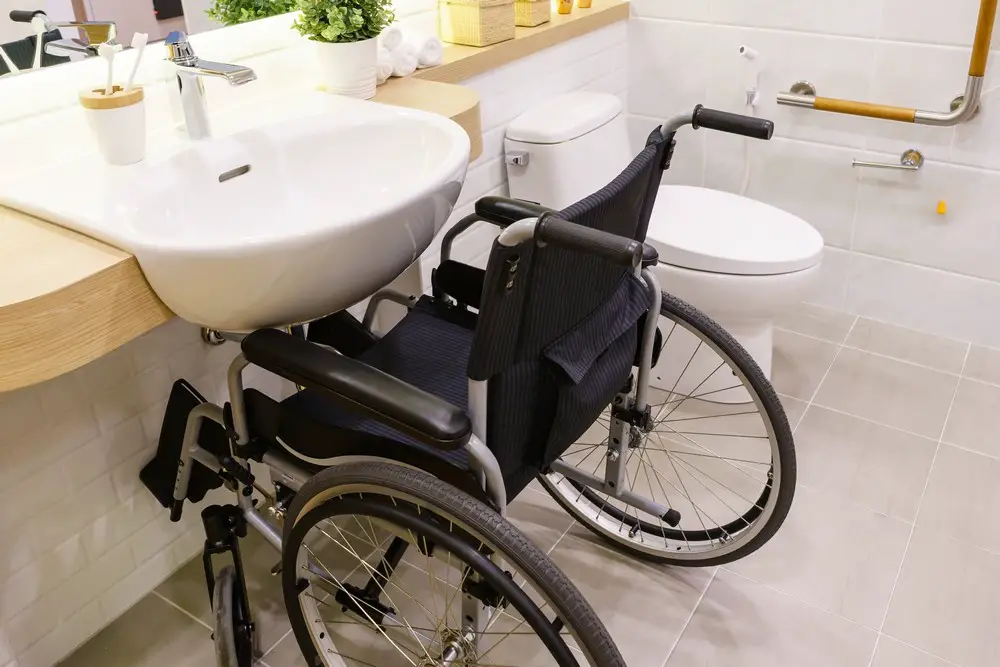
Clearance under the sink is essential for wheelchair users. It allows users to move close and use the sink comfortably. The space should be at least 27 inches high, 30 inches wide, and 19 inches deep. Open space without cabinets or pipes blocking the area works best. This design prevents strain and supports daily hygiene routines.
Accessible Height Settings
Vanity height must suit elderly and handicapped needs. A height between 30 and 34 inches works well for seated users. Adjustable or custom-height vanities can serve multiple users. Lower vanities improve comfort and reduce bending or stretching. These settings help users avoid falls and maintain good posture.
Lever And Touchless Faucets
Lever faucets require less strength and are easier to operate. They work well for users with limited hand mobility. Touchless faucets add convenience and hygiene by reducing contact. These faucets also help users avoid burns with temperature controls. Simple faucet choices improve safety and ease of use.
Accessible Storage Solutions
Storage must be reachable without bending or stretching. Pull-out drawers and shelves offer easy access to toiletries. Open shelves and baskets at lower heights help users find items quickly. Avoid high or deep cabinets that can cause strain. Accessible storage enhances independence and keeps essentials within reach.
Lighting And Safety Enhancements
Proper lighting and safety features are vital in bathroom designs for elderly and handicapped users. Bright, well-placed lights reduce the risk of falls and make daily tasks easier. Safety enhancements create a secure environment, boosting confidence and independence.
Improved Visibility
Use bright, glare-free lighting to illuminate the entire bathroom. Consider motion-sensor lights for ease of use during night visits. Install lights near the shower, toilet, and sink areas. Avoid shadows that can hide obstacles. Natural light helps but often needs to be supplemented.
Accessible Outlets And Switches
Place outlets and switches at reachable heights for wheelchair users and those with limited mobility. Use large, easy-to-press switches to reduce strain. Ground-fault circuit interrupter (GFCI) outlets improve electrical safety. Position outlets away from water sources to prevent hazards.
Additional Grab Bars
Install grab bars near the toilet, shower, and bathtub for extra support. Use sturdy bars that can bear weight safely. Position bars horizontally or vertically based on user needs. Ensure grab bars have a non-slip surface for a secure grip. Proper placement helps prevent slips and falls.
User-friendly Hardware
Choose lever-style faucets and door handles for easier operation. Avoid knobs that require tight gripping or twisting. Select hardware with a smooth finish to prevent injury. Use anti-scald valves to control water temperature safely. These features increase comfort and reduce accidents.

Credit: www.amazon.ae
Stylish And Functional Decor
Stylish and functional decor creates a bathroom that is both safe and beautiful. It supports the needs of elderly and handicapped users without sacrificing design. Careful selection of materials, colors, and fixtures enhances usability and comfort. This approach makes daily routines easier while maintaining a welcoming atmosphere.
Material Choices For Safety And Style
Choose materials that resist slips and falls. Textured tiles provide grip underfoot. Matte finishes reduce glare and improve visibility. Durable surfaces like quartz or solid surface countertops offer easy maintenance. Rounded edges on counters and fixtures prevent injuries. Materials should balance safety with an attractive look.
Color Schemes To Enhance Visibility
Use contrasting colors to define spaces clearly. Light walls with darker floors help distinguish boundaries. Bright colors highlight important features like grab bars. Avoid patterns that confuse depth perception. Soft, warm tones create a calming environment. Good lighting boosts contrast and reduces shadows for better visibility.
Space-saving Fixtures
Install compact sinks and toilets to maximize space. Wall-mounted fixtures free floor area for wheelchairs or walkers. Sliding doors save room compared to swinging doors. Use built-in shelves to reduce clutter. Choose multifunctional items like a combination shower seat and grab bar. Efficient layouts improve movement and safety.
Smart Technology Integration
Smart technology makes bathrooms safer and easier for elderly and handicapped users. It brings convenience and independence. These innovations help reduce accidents and simplify daily routines. Simple controls and automated features improve comfort and safety.
Automated Lighting And Faucets
Automated lighting turns on and off without touching switches. Sensors detect movement and adjust brightness. This feature prevents falls in dark rooms. Faucets with sensors start and stop water flow automatically. They reduce the need to twist knobs. This helps users with limited hand strength or mobility.
Voice-activated Controls
Voice-activated systems allow users to control lights, fans, and water. Commands like “turn on the light” make tasks easier. This technology helps those who use wheelchairs or have limited reach. Voice control also works for smart toilets and showers. It adds comfort and reduces the need to move around.
Emergency Alert Systems
Emergency alert systems provide quick help during falls or accidents. Buttons or pull cords placed near the toilet and shower send alerts. Some systems connect directly to caregivers or emergency services. Wearable devices can detect falls and call for help automatically. These systems increase safety and peace of mind.
Planning And Remodeling Tips
Planning and remodeling a bathroom for elderly or handicapped users requires careful thought. The space should be safe and easy to use. Simple changes improve comfort and independence. This section offers tips to guide your remodeling journey. Focus on practical steps that make a real difference.
Working With Professionals
Hire experts who understand accessibility needs. Experienced contractors, designers, and therapists provide valuable advice. They ensure the design meets safety standards. Professionals help choose the right fixtures and materials. Their skills avoid costly mistakes and delays. Clear communication about needs leads to a better outcome. Trust their knowledge to create a functional space.
Budgeting For Accessibility
Set a realistic budget that covers all changes. Accessibility upgrades vary in cost depending on scope. Prioritize essential features like grab bars and non-slip flooring. Consider long-term savings from energy-efficient fixtures. Keep some funds for unexpected expenses. Research prices before buying materials or hiring services. A well-planned budget keeps the project on track.
Phased Renovation Approaches
Break the project into smaller phases to reduce disruption. Start with urgent safety improvements such as grab bars and lighting. Next, update plumbing and install accessible fixtures. Finally, complete cosmetic changes like tiling and painting. Phased work allows living in the home during remodeling. It also helps spread out costs over time. Plan each phase carefully for smooth progress.
Frequently Asked Questions
How To Design A Bathroom For A Disabled Person?
Design a bathroom with wide doorways and a curbless shower featuring grab bars and a handheld showerhead. Use a higher toilet and a sink with clear space underneath. Ensure non-slip flooring, accessible fixtures, and proper lighting for safety and ease of use.
Does Medicare Pay For A Handicap Bathroom Remodel?
Medicare generally does not cover handicap bathroom remodels. Coverage applies only if medically necessary and prescribed by a doctor. Consider Medicaid or other assistance programs for funding accessible bathroom modifications.
How To Design Safe Bathrooms For The Elderly?
Design safe elderly bathrooms with wide doorways, non-slip floors, and curbless showers. Install sturdy grab bars near showers and toilets. Use higher toilets and accessible sinks with clear knee space. Include lever-style faucets and adequate lighting to enhance safety and ease of use.
What Is The Golden Rule For Bathroom Layouts?
The golden rule for bathroom layouts is ensuring accessibility, safety, and comfort. Prioritize wide doorways, non-slip floors, grab bars, and curbless showers. Maintain clear space for mobility, easy-to-reach fixtures, and proper lighting to enhance usability for all, including elderly and handicapped users.
Conclusion
Designing bathrooms for elderly and handicapped users improves safety and comfort. Wide doorways and curbless showers reduce fall risks effectively. Grab bars and handheld showerheads offer crucial support and flexibility. Accessible toilets and sinks ensure independence in daily routines. Non-slip flooring and ample space help users move freely and safely.
Thoughtful layouts enhance usability and peace of mind. Prioritizing these elements creates a bathroom that serves all ages and abilities well. Simple changes can make a big difference in quality of life.