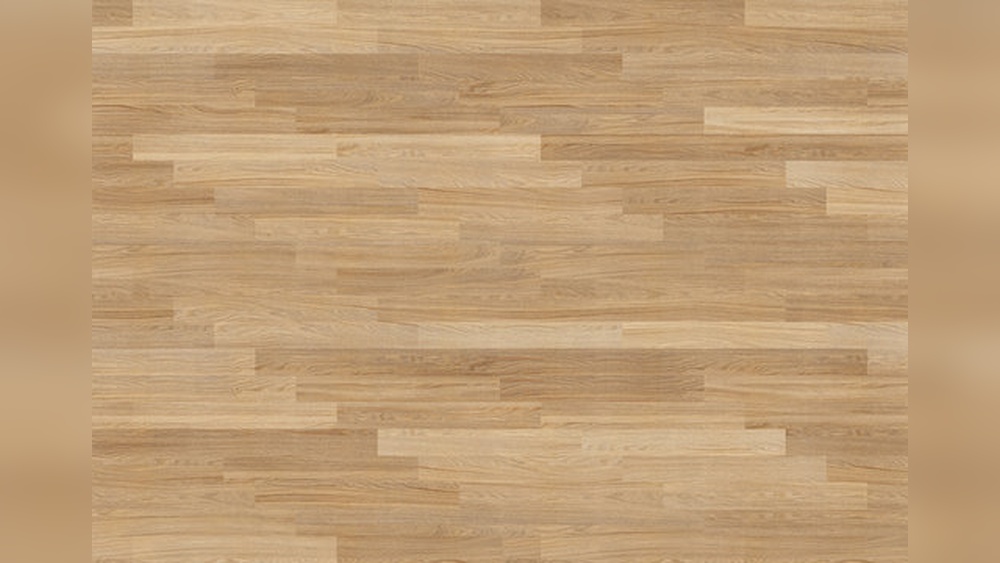

When it comes to transforming your living space, the texture of your hardwood floors plays a huge role in setting the mood and style. Imagine walking barefoot across a floor that feels as smooth as it looks—no awkward seams, no breaks in the pattern—just one flawless surface that brings warmth and elegance to every corner of your home.
That’s the magic of seamless hardwood floor texture. Whether you’re dreaming of a modern, sleek vibe or a cozy, rustic charm, understanding how seamless textures work can help you make choices that elevate your space instantly. Ready to discover how seamless hardwood floors can redefine comfort and style in your home?
Let’s dive in.
Credit: architextures.org
Latest Hardwood Floor Trends
Hardwood flooring styles are shifting towards a blend of elegance and natural beauty. The focus is on designs that highlight texture and spaciousness. Modern homeowners choose floors that feel authentic and durable.
Trends include wider planks, creative patterns, and varied plank sizes. These choices create unique looks while maintaining a timeless appeal. Sustainability and natural finishes also shape today’s hardwood floor designs.
Wide Plank Flooring
Wide plank flooring remains a favorite for its clean and open look. Larger boards show more wood grain, giving floors a natural charm. They make rooms feel bigger and less cluttered. This style works well in both modern and rustic interiors.
Unique Patterns
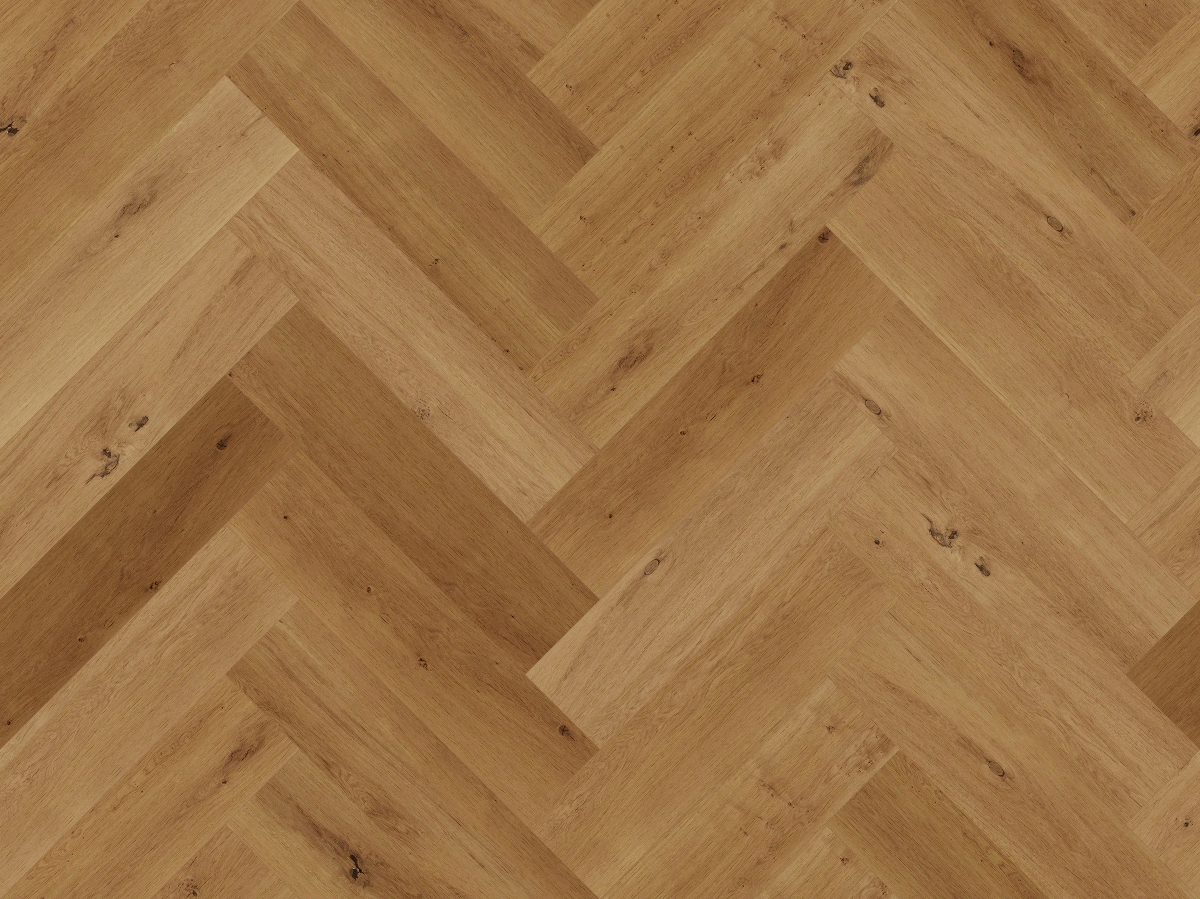
Classic patterns like herringbone and chevron return with fresh twists. These arrangements add motion and interest to any floor. Patterned floors break the monotony and create a stylish focal point. They suit traditional and contemporary spaces alike.
Mixed Width Designs
Mixing plank widths adds a handcrafted feel to hardwood floors. This trend brings texture and depth to the surface. It creates visual variety without overwhelming the room. Mixed widths suit casual and formal settings equally well.
Popular Colors And Finishes
Choosing the right color and finish for seamless hardwood floor texture shapes a room’s style. Popular options create both timeless and modern looks. They highlight the wood’s natural beauty while fitting diverse design tastes. Below are some favored choices that suit many interiors.
Light And Dark Wood Tones
Light wood tones bring brightness and a fresh feel to spaces. Shades like blonde, maple, and European white oak create an airy, open vibe. These tones work well in smaller rooms or where natural light is limited.
Dark wood tones add warmth and richness. Walnut, mahogany, and espresso shades give floors a bold, elegant look. Dark colors often suit larger rooms or traditional designs. Both light and dark woods are popular for seamless hardwood floors.
Matte And Low-sheen Finishes
Matte finishes offer a soft, natural appearance. They reduce glare and hide scratches better than glossy finishes. Low-sheen finishes also emphasize the wood’s texture and grain, making floors feel authentic.
These finishes are ideal for homes seeking a calm and understated style. They pair well with modern and rustic decors. Matte and low-sheen options dominate current hardwood floor trends.
Textured And Distressed Looks
Textured hardwood floors add depth and character. Hand-scraped, wire-brushed, or distressed surfaces give floors a weathered, vintage feel. These finishes create a cozy and lived-in atmosphere.
Distressed looks work well in farmhouse, industrial, and rustic interiors. They also help hide wear and tear over time. Textured hardwood floors remain a favorite for adding personality to any room.
Eco-friendly And Durable Materials
Choosing hardwood flooring made from eco-friendly and durable materials benefits both your home and the environment. Sustainable hardwood options reduce waste and preserve natural forests. Durable materials ensure your floors last for many years, resisting wear and damage. These qualities make seamless hardwood floor texture a smart and stylish choice for any space.
Reclaimed Wood Options
Reclaimed wood comes from old buildings, barns, or factories. Using this wood reduces the need to cut down new trees. It has a unique texture and color that adds character to floors. Reclaimed wood is strong and often harder than new wood. It offers a vintage look with an eco-friendly story.
Engineered Hardwood Benefits
Engineered hardwood consists of multiple layers of wood pressed together. This design makes the floor stable and less likely to warp. It can be installed over various surfaces, including concrete. Engineered hardwood uses less solid wood, saving natural resources. It combines beauty with long-lasting performance.
Waterproof Hardwood Innovations
New waterproof hardwood options allow use in kitchens and bathrooms. These floors resist water damage and stains better than traditional hardwood. Waterproof layers protect the wood from swelling and warping. They keep the natural wood look while offering extra durability. This innovation expands where hardwood floors can be installed.
Credit: stock.adobe.com
Creating Seamless Floor Textures
Creating seamless floor textures is key to achieving a flawless hardwood floor look. A smooth and consistent surface enhances the room’s beauty and feel. Careful attention to detail makes the floor appear natural and continuous. Small gaps or mismatches can distract from the overall design. This section explains how to create seamless hardwood floor textures through practical steps.
Choosing The Right Plank Size
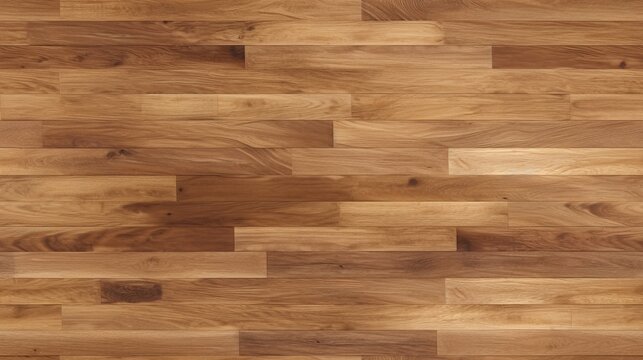
Selecting the correct plank size helps create a uniform floor texture. Wider planks reduce the number of visible seams and offer a modern style. Narrow planks can add detail but require more precision to align. The length of the plank also affects the flow of the pattern. Choose sizes that fit the room dimensions and style preferences. Consistent plank sizes simplify installation and improve the seamless look.
Aligning Patterns Perfectly
Pattern alignment is crucial for a seamless hardwood floor texture. Each plank’s grain and color must match adjacent pieces closely. Lay out the flooring before installation to check pattern flow. Use staggered joints to avoid long seam lines in one area. Pay attention to natural wood variations and arrange planks to blend these differences. Proper alignment reduces visible breaks and enhances the floor’s natural beauty.
Surface Treatment Techniques
Surface treatments refine the texture and add depth to hardwood floors. Sanding smooths rough edges and removes imperfections. Applying stains or oils can even out color variations and highlight wood grain. Matte or low-sheen finishes reduce glare and create a natural look. Textured finishes, such as hand-scraped or wire-brushed, add character but require skill for seamless results. Choose treatments that complement the desired floor style and improve durability.
Enhancing Space With Flooring
Flooring plays a crucial role in shaping the feel of any room. Seamless hardwood floor textures create a smooth and continuous look that enhances space beautifully. Such flooring makes rooms appear larger and more inviting. The choice of plank size, pattern, and style can change the entire ambiance. Each detail works together to bring depth and harmony to your living space.
Visual Impact Of Wide Planks
Wide planks create a sleek, open look that expands the room visually. They reduce the number of seams, giving floors a clean and modern appearance. This design simplifies the floor, making small spaces feel less cluttered. Wide planks highlight the natural grain of wood, adding warmth and character. They suit both traditional and contemporary homes, offering a timeless appeal.
Using Patterns To Add Depth
Patterns like herringbone and chevron add texture and interest to hardwood floors. These designs create movement and guide the eye across the room. Patterned floors break up flat surfaces, adding a three-dimensional feel. Mixing plank widths within patterns can add a handcrafted charm. Such patterns help define spaces and bring energy to large, open areas.
Complementing Interior Styles
Seamless hardwood flooring adapts well to many interior styles. Light-toned wood suits minimalist and Scandinavian designs with its airy feel. Darker wood floors bring richness to classic and rustic decor. Matte finishes blend with natural and casual interiors, avoiding glare. Textured surfaces work well with industrial and farmhouse themes. Matching flooring with furniture and walls creates a balanced, unified look.
Maintaining Hardwood Floor Texture
Maintaining the texture of hardwood floors is essential for preserving their natural beauty. Textured floors, especially those with matte or hand-scraped finishes, require special care. Proper maintenance keeps the floors looking fresh and extends their lifespan. It also prevents damage that can dull the texture or create uneven surfaces.
Cleaning Tips For Matte Finishes
Use a soft broom or vacuum with a hardwood floor attachment. Avoid harsh chemicals that can strip the finish. Clean spills quickly to prevent stains. Use a damp mop with a cleaner designed for matte hardwood floors. Do not use wax or oil-based products, as they can leave residue and change the texture.
Repairing Scratches Without Sanding
Light scratches can be fixed with a wood marker matching your floor color. Apply the marker carefully and wipe off excess immediately. For deeper scratches, use a wood filler or putty. Choose one that blends with your floor tone. After it dries, gently buff the area with a soft cloth. This method keeps the texture intact without sanding.
Protecting Floors In High-moisture Areas
Use mats or rugs in areas prone to moisture, like kitchens or entryways. Avoid standing water on the floor for long periods. Wipe up water spills immediately to prevent warping. Consider using waterproof hardwood options in these spaces. Proper ventilation helps reduce humidity and protects the wood texture.
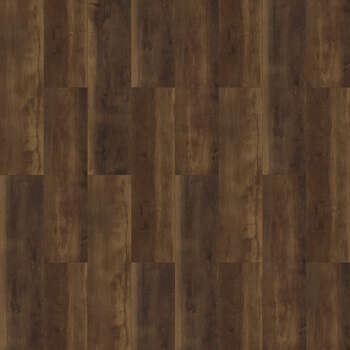
Credit: www.textures.com
Frequently Asked Questions
What Is The Newest Trend In Hardwood Floors?
The newest hardwood floor trend features wide planks, eco-friendly materials, herringbone patterns, matte finishes, and textured natural looks.
How To Get A Smooth Finish On Hardwood Floors?
Sand the hardwood floor progressively with finer grits for smoothness. Clean dust thoroughly. Apply a high-quality wood sealer or finish evenly. Use a brush or roller to avoid streaks. Allow sufficient drying time between coats for a flawless finish.
What Type Of Flooring Looks Like Wood But Isn’t?
Luxury vinyl plank (LVP), laminate, and engineered wood flooring mimic real wood’s look without being solid wood. These options offer durability and affordability.
How To Fill Seams In Hardwood Floors?
Clean the seams thoroughly. Apply wood filler matching floor color. Smooth with a putty knife. Let dry, then sand gently. Finish with a matching stain or sealant.
Conclusion
Seamless hardwood floor texture brings elegance to any space. It creates a smooth, continuous look without visible breaks. This style highlights the natural beauty of wood grains and patterns. Choosing the right texture can enhance room warmth and comfort. It fits well with both modern and classic interiors.
Easy to clean and maintain, it suits busy households. Investing in quality materials ensures long-lasting floors. Textured hardwood adds depth and character to your home. It offers a timeless appeal that never goes out of style.