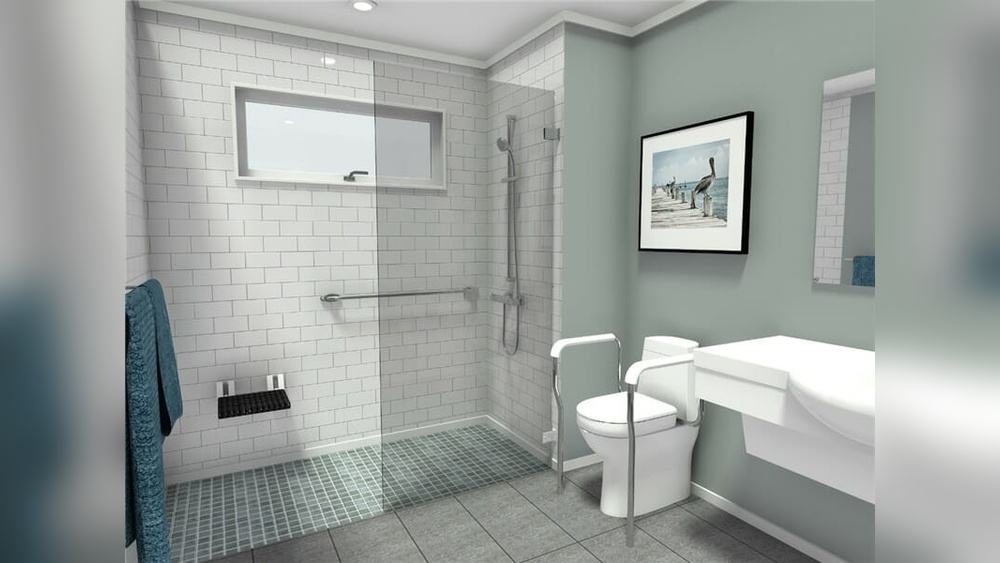

When it comes to designing a bathroom that truly works for you or a loved one with mobility challenges, thoughtful handicap bathroom designs make all the difference. You want a space that feels safe, comfortable, and easy to use every day.
Whether you’re planning a remodel or building from scratch, the right design choices can transform your bathroom into a welcoming and functional haven. You’ll discover practical ideas and essential features that ensure your bathroom meets accessibility needs without sacrificing style or convenience.
Keep reading to learn how to create a bathroom that supports independence and enhances your daily routine.
Credit: metrobathandtile.com
Accessible Layouts
Accessible layouts form the foundation of effective handicap bathroom designs. They create a safe and comfortable space for everyone, especially for people with mobility challenges. Thoughtful planning helps ensure smooth movement and ease of use.
Designers focus on arranging fixtures and features to enhance accessibility. The right layout removes barriers and supports independence. It improves daily routines by making bathrooms user-friendly.
Space Planning For Mobility
Space planning is key for mobility in handicap bathrooms. Plan enough room for wheelchairs or walkers to move freely. Avoid clutter and tight corners that block paths. Place sinks, toilets, and showers where users can reach them easily. Organize the space to reduce the need for extra movement. This planning helps users feel safe and confident.
Clearance And Turning Radius
Clearance refers to open areas around fixtures for easy access. A proper turning radius allows wheelchairs to turn without difficulty. Bathrooms should offer at least 60 inches of turning space. Make sure there is enough room beside toilets and sinks. This space prevents accidents and supports smooth navigation. It is a vital part of accessible design.
Doorway And Entry Options
Doorways must be wide enough to fit mobility devices. A minimum width of 32 inches is recommended. Sliding or pocket doors save space and improve access. Avoid doors that swing inward and block movement. Consider lever handles instead of knobs for easier use. Proper entry design welcomes all users and improves bathroom function.
Stylish Fixtures
Stylish fixtures transform handicap bathrooms into spaces that are both practical and beautiful. They offer safety without sacrificing design. Thoughtful choices in fixtures create a welcoming and elegant atmosphere. This balance enhances comfort and usability for everyone.
Grab Bars With Design
Grab bars no longer look plain or industrial. They come in sleek shapes and colors. These bars blend smoothly with the bathroom’s style. Materials like brushed nickel or matte black add modern touches. Well-placed grab bars improve safety and look great too.
Accessible Sinks And Vanities
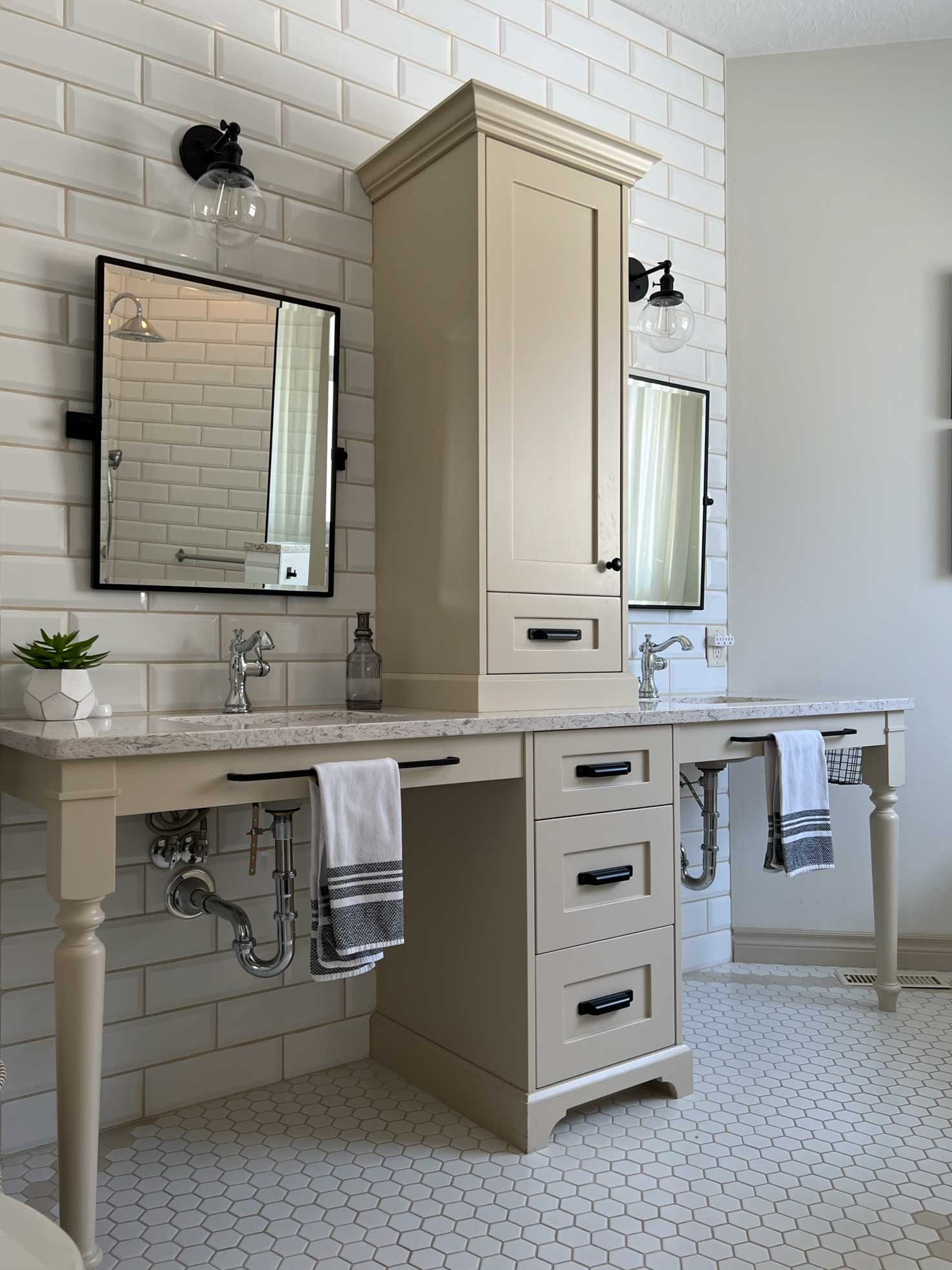
Sinks designed for accessibility have space underneath for wheelchair users. Vanities come in varied heights and styles to fit different needs. They feature easy-to-reach faucets and controls. Rounded edges and smooth surfaces make cleaning simple. Stylish sinks and vanities combine function and form.
Toilet Choices For Comfort
Comfort-height toilets make sitting and standing easier. Some models include elongated bowls for extra space. Dual-flush options save water without losing performance. Toilets with built-in bidets add hygiene and convenience. These choices improve comfort while maintaining sleek design.
Shower Innovations
Shower innovations in handicap bathroom designs focus on comfort, safety, and ease of use. These upgrades make bathing easier for people with limited mobility. Thoughtful features help users maintain independence and confidence. Modern designs combine functionality with style to create accessible showers that feel inviting.
Roll-in And Walk-in Showers
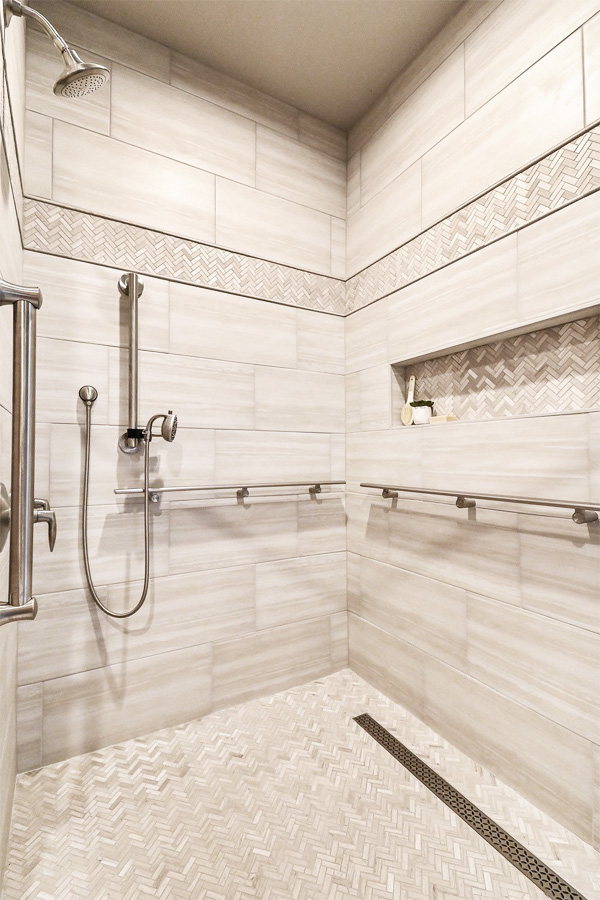
Roll-in showers have no threshold, allowing wheelchair access. Walk-in showers offer a low or no step entry. Both types reduce the risk of tripping or falling. These designs provide plenty of space to move freely. Slip-resistant flooring adds extra safety for wet areas.
Seating And Support Features
Built-in benches and fold-down seats offer resting spots. These seats support users who tire easily or need stability. Grab bars placed strategically help with balance and movement. Adjustable shower heads allow easy reach from seated or standing positions. Comfort and safety improve with these thoughtful additions.
Water Controls And Safety
Lever-style or push-button controls simplify water adjustment. These controls work well for users with limited hand strength. Thermostatic valves keep water temperature steady to prevent burns. Anti-scald devices add an extra layer of protection. Easy-to-reach controls ensure a safer, more comfortable shower experience.
Lighting And Mirrors
Proper lighting and mirrors are key in handicap bathroom designs. They improve safety and ease of use. Bright, clear lighting helps users see better. Mirrors must be positioned for comfort and accessibility. Together, they create a bathroom that feels open and welcoming.
Task And Ambient Lighting
Task lighting focuses on areas where activities happen. It brightens sinks and mirrors for grooming tasks. Ambient lighting fills the whole room with soft light. This reduces shadows and glare. Use LED lights to save energy and offer bright, steady light. Lights should be easy to reach and control for all users.
Adjustable And Tilted Mirrors
Mirrors that adjust up and down suit different heights and needs. Tilted mirrors allow users in wheelchairs to see clearly. They also help those who stand. Large mirrors with clear edges improve visibility. Position mirrors so users do not need to stretch or bend. These features make daily routines simpler and safer.
Flooring Solutions
Choosing the right flooring is vital in handicap bathroom designs. Floors must be safe, comfortable, and easy to maintain. The right materials prevent slips and falls, enhancing bathroom safety. Comfort is important too, especially for those spending more time in the bathroom. Flooring solutions combine safety with warmth and style to meet the unique needs of users.
Slip-resistant Materials
Slip-resistant flooring reduces the risk of accidents. Materials like textured vinyl, rubber, and non-slip tiles provide strong grip. These surfaces stay safe when wet, a common bathroom condition. Choose flooring with a rough or matte finish for better traction. Proper drainage also helps keep floors dry and secure. Slip-resistant floors support mobility aids such as walkers and wheelchairs.
Heated And Comfortable Floors
Heated floors add warmth and comfort in handicap bathrooms. They reduce cold shock for sensitive skin and joints. Radiant floor heating works well with tile or stone surfaces. This feature helps users feel relaxed and safe. Warm floors also prevent moisture buildup that can cause slips. Controlled heating allows users to adjust the temperature easily.
Smart Technology
Smart technology is changing how handicap bathrooms are designed. It makes these spaces easier and safer to use. Technology helps users control bathroom features without needing to move much. This creates more independence for people with disabilities.
These advances improve comfort and convenience. They also increase safety by reducing risks of falls or accidents. Smart technology offers solutions that adjust to individual needs. It supports a better daily bathroom experience for everyone.
Voice-activated Controls
Voice-activated controls allow users to operate bathroom features using simple commands. Lights, fans, and faucets can respond to voice instructions. This removes the need to touch switches or handles. People with limited hand mobility benefit greatly from this feature.
These controls are easy to set up and use. They help maintain hygiene by reducing contact with surfaces. Voice commands speed up tasks and add convenience in the bathroom.
Automated Fixtures
Automated fixtures include sinks, toilets, and showers that work on motion or sensors. They turn on or off automatically when needed. This reduces effort and keeps things cleaner. Users do not need to reach or press buttons.
These fixtures can adjust water temperature and flow for comfort. They save water and energy by operating only when necessary. Automated fixtures make bathrooms more accessible and user-friendly.
Safety Monitoring Systems
Safety monitoring systems track user movements and detect emergencies. Sensors can alert caregivers if a fall or accident happens. These systems provide peace of mind for users and their families. They ensure help arrives quickly in case of trouble.
Some systems monitor humidity and temperature to prevent hazards. Others include emergency call buttons within easy reach. Safety monitoring adds a vital layer of protection in handicap bathroom designs.
Color And Decor
Color and decor play a key role in designing handicap bathrooms. They not only enhance beauty but also improve safety and usability. Choosing the right colors and accessories can make the space more comfortable and accessible for everyone.
Thoughtful decor adds personality without cluttering the room. It creates a welcoming atmosphere that feels both stylish and functional. Simple changes in color and decor can boost visibility and ease of use for people with disabilities.
Contrasting Colors For Visibility
Use contrasting colors to highlight important bathroom features. For example, paint grab bars in a different color than the walls. This contrast helps users see them clearly and grab them easily.
Choose bold colors for door frames, light switches, and faucets. These small details improve navigation in the space. Avoid patterns that confuse or distract the eye.
Bright, simple color schemes reduce accidents. They help users identify different areas quickly. Contrast also benefits people with low vision or cognitive challenges.
Stylish Accessories And Storage
Pick accessories that combine style and function. Install towel racks and soap dispensers at reachable heights. Use baskets or shelves that keep essentials organized and visible.
Decorative yet practical items enhance the room’s look. Mirrors with built-in lighting improve visibility. Non-slip mats in soft colors add safety and comfort.
Storage solutions should avoid clutter but stay within reach. Clear containers and labeled bins help users find items fast. Choose materials that are easy to clean and durable.
Compliance And Standards
Designing handicap bathrooms requires strict adherence to compliance and standards. These rules ensure safety, accessibility, and comfort for all users. Meeting these standards is essential for legal approval and user satisfaction. Understanding key guidelines helps create effective bathroom designs.
Ada Guidelines
The Americans with Disabilities Act (ADA) sets clear rules for accessible bathrooms. It defines minimum space requirements for wheelchairs and mobility aids. Grab bars must be installed at specific heights and locations. Doorways need to be wide enough for easy access. ADA also requires non-slip flooring and accessible sink designs. These guidelines promote independence and safety for users with disabilities.
Local Building Codes
Local building codes vary by city or state but often complement ADA rules. These codes may include additional safety features or design specifics. Builders must check local regulations before starting construction. Following local codes prevents legal issues and ensures community safety. Inspectors verify compliance during and after construction. Meeting these codes creates bathrooms that are both functional and lawful.
Budget-friendly Tips
Creating a handicap bathroom does not have to be costly. Smart planning and simple changes can make a big difference. Budget-friendly tips help you improve bathroom safety and comfort without overspending.
Focus on small upgrades that add value and ease of use. Many ideas allow you to work within your budget while making the space more accessible. Some improvements you can do yourself, saving money on labor.
Affordable Upgrades
Replace standard grab bars with sturdy, slip-resistant ones. Choose bars that blend well with bathroom decor for a neat look. Install a raised toilet seat to reduce strain and ease sitting down. Swap out old faucets for lever handles that are easier to operate. Use non-slip mats or stickers in the shower and near the tub. Add a handheld showerhead for more control and flexibility. Consider a shower chair or bench for safety and comfort. These changes cost little but improve accessibility greatly.
Diy Accessibility Enhancements
Simple do-it-yourself projects can boost bathroom accessibility. Lower towel racks and shelves for easier reach. Use adhesive hooks to hang items within arm’s length. Remove cabinet doors to create open storage space. Add extra lighting to brighten dark corners and reduce falls. Apply anti-slip tape on slippery floors or steps. Paint contrasting colors around switches and edges to help visually impaired users. With basic tools and effort, you can improve the bathroom safely and affordably.

Credit: www.archdaily.com
Credit: erinzubotdesign.com
Frequently Asked Questions
How To Design A Bathroom For A Disabled Person?
Design a bathroom for a disabled person by adding grab bars, wheelchair-accessible sinks, and roll-in showers. Use non-slip flooring and ample space for easy mobility. Ensure doorways are wide and install adjustable fixtures for convenience and safety.
Does Medicare Pay For A Handicap Bathroom Remodel?
Medicare typically does not cover handicap bathroom remodels. Coverage may apply only if changes are medically necessary. Consult Medicare for specific eligibility.
What Does An Ada Compliant Bathroom Look Like?
An ADA compliant bathroom features wide doorways, grab bars, accessible sinks, roll-in showers, and proper toilet height for wheelchair users.
What Is The Golden Rule For Bathroom Layouts?
The golden rule for bathroom layouts is to ensure clear, functional flow with easy access to fixtures. Prioritize space, safety, and comfort.
Conclusion
Designing handicap bathrooms improves safety and comfort for all users. Simple changes create accessible, welcoming spaces easily. Thoughtful layouts and proper fixtures make daily tasks easier. Prioritize functionality without sacrificing style or convenience. Everyone deserves a bathroom that meets their unique needs.
Embrace designs that enhance independence and dignity. Small updates today lead to lasting benefits tomorrow.

