
Your old hardwood floor holds stories, character, and a unique charm that new floors just can’t match. But over time, wear and tear can dull its beauty, leaving you wondering how to bring back that rich texture and timeless appeal.
If you want to understand what makes old hardwood floor texture so special—and how you can enhance or restore it—you’re in the right place. This guide will help you recognize the distinct features of antique wood floors, show you simple ways to revive their original charm, and inspire you to make your floors a stunning focal point in your home.
Keep reading to discover how your old hardwood floor can shine like never before.
Old Hardwood Floor Styles
Old hardwood floors bring warmth and character to any space. They tell stories through their texture and style.
Each floor has unique features shaped by its wood type, grain, and color. These elements create timeless styles.
Common Wood Types
Oak is a popular choice for old hardwood floors. It is strong and has a classic look.
Maple offers a smooth surface and light color. Pine shows knots and has a rustic charm.
Cherry wood adds rich, reddish tones. Hickory is known for its durability and bold grain.
Unique Grain Patterns
Grain patterns give old floors their distinct character. Straight grains create a clean look.
Curly and wavy grains add movement and interest. Knots and imperfections enhance the vintage feel.
Each plank’s texture tells a story of nature’s growth and age.
Color Variations
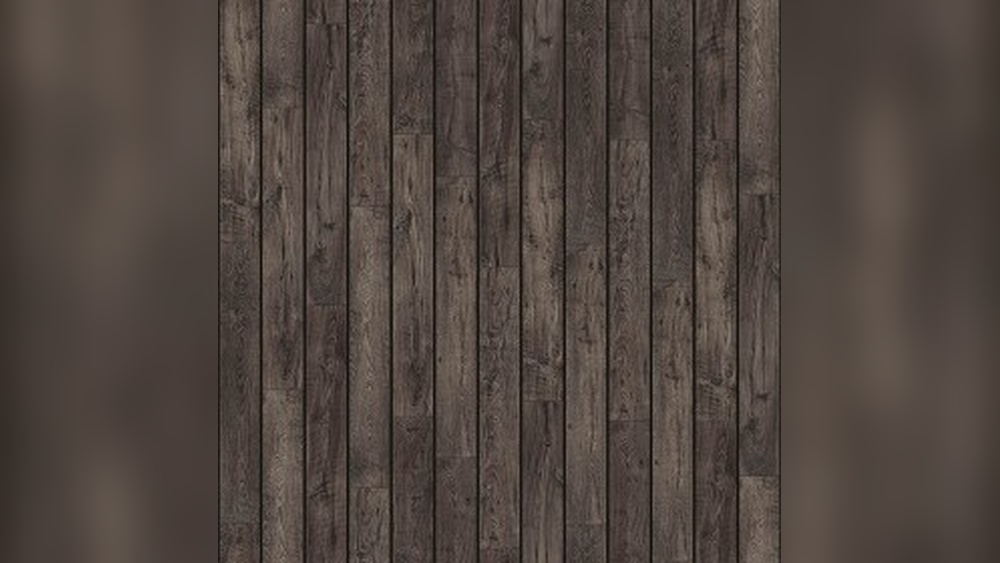
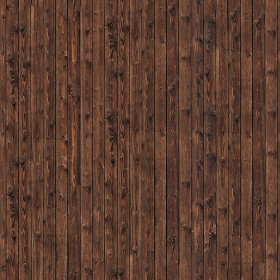
Old hardwood floors show a range of colors. Natural aging darkens some woods to deep browns.
Sunlight exposure can lighten areas, creating contrast. Stains and finishes add warm or cool tones.
These variations highlight the floor’s history and make it unique.
Credit: www.sketchuptextureclub.com
Identifying Vintage Floors
Identifying vintage hardwood floors starts with knowing their unique traits. Old hardwood floors tell stories through their texture and appearance. They often differ from modern floors in size, finish, and hardness. Recognizing these features helps in preserving their charm and value.
Checking Plank Widths
Vintage floors usually have wider planks than new ones. Planks can be 5 to 12 inches wide or more. Modern floors tend to have narrower boards. Measuring plank width gives clues about the floor’s age. Wider planks often mean the floor is older and crafted by hand.
Examining Floor Finish
Old hardwood floors have finishes that differ from modern coatings. They may show signs of wear, patina, or a matte look. Glossy finishes are rare in vintage floors. Natural oils or shellac were common in the past. The finish can reveal if the floor has been refinished or kept original.
Assessing Hardness
Hardness varies with wood species and age. Vintage floors often use hardwood like oak, maple, or chestnut. These woods are durable and resist dents. Over time, wood may harden or soften slightly. Testing hardness helps identify the wood type and floor quality.
Preparing Floors For Restoration
Preparing old hardwood floors for restoration sets the stage for a beautiful finish. This process removes dirt, fixes damages, and smooths the surface. Proper preparation brings out the natural texture and charm of old wood.
Each step matters. Careful cleaning reveals hidden issues. Repairs restore strength. Sanding creates a smooth base for finishing. Together, these steps protect the floor and highlight its unique character.
Cleaning And Inspection
Start by removing dust and dirt with a broom or vacuum. Use a damp cloth to clean stubborn grime. Let the floor dry completely.
Next, inspect the wood closely. Look for cracks, loose boards, or stains. Mark damaged areas for repair. A thorough check ensures no problem goes unnoticed.
Repairing Damages
Fix loose boards by nailing or gluing them down. Fill cracks and holes with wood filler that matches the floor color. Allow filler to dry before sanding.
Replace boards that are too damaged. Use wood with a similar grain and tone. Proper repairs keep the floor stable and ready for sanding.
Sanding Techniques
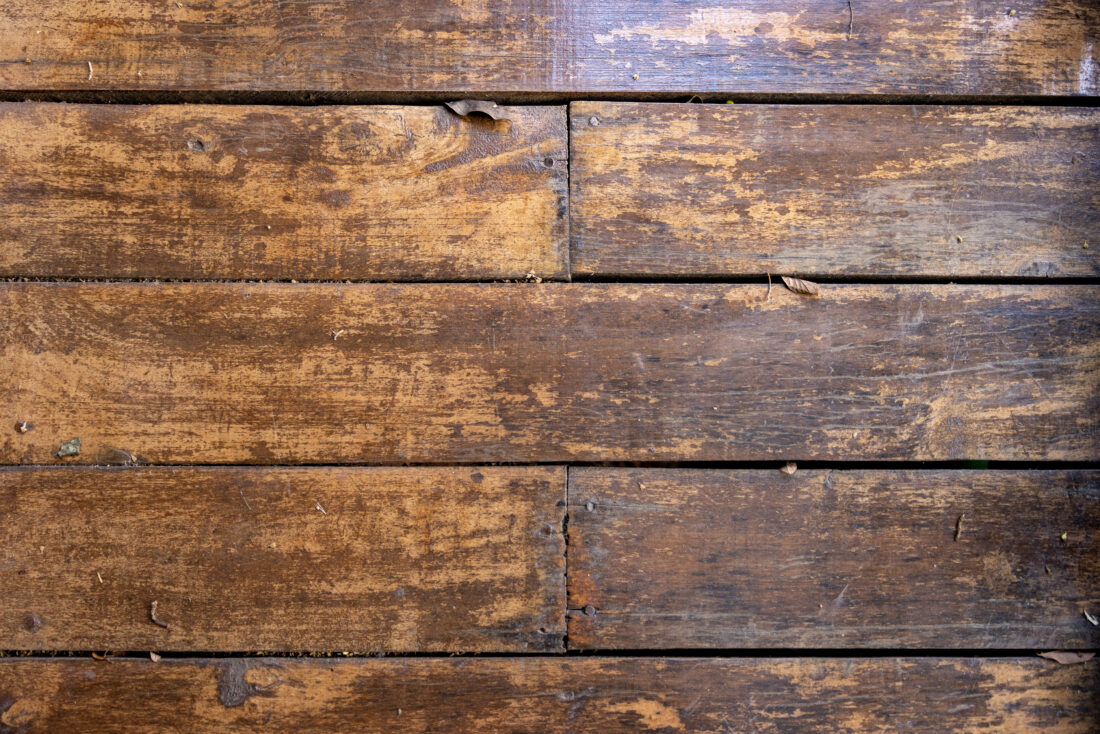
Begin sanding with coarse grit sandpaper. This removes old finishes and smooths rough spots. Use a floor sander for large areas and hand sand edges.
Progress to finer grits to create a smooth texture. Sand evenly to avoid dips or marks. Clean dust thoroughly between sanding steps for best results.
Credit: isorepublic.com
Refinishing Methods
Refinishing old hardwood floors brings back their natural beauty and texture. It enhances the character that only aged wood can offer. Proper refinishing methods protect the floor and add charm to your space.
This process includes careful choices in stain colors, varnish application, and sometimes distressing techniques. Each step shapes the final look and feel of the hardwood floor texture.
Choosing Stain Colors
Selecting the right stain color sets the tone for the entire room. Dark stains add warmth and richness. Light stains brighten the space and highlight the wood grain. Neutral tones work well with many decor styles. Test stains on a small area to see how the wood absorbs color.
Applying Varnish
Varnish protects the wood and enhances its texture. Use a clear or tinted varnish to seal the surface. Apply thin, even coats with a brush or roller. Let each coat dry fully before adding the next. This builds a smooth and durable finish that lasts for years.
Distressing For Character
Distressing adds a vintage look to hardwood floors. Techniques like hand scraping or wire brushing create natural wear patterns. Small dents and scratches give the floor a lived-in feel. This method works well with rustic or farmhouse styles. It highlights the unique texture of old wood planks.
Creative Texture Ideas
Creative texture ideas bring old hardwood floors to life. They add character and charm to any space. Textures can highlight the natural beauty of wood while giving floors a unique look. Experimenting with different techniques creates stunning effects. These methods also help restore worn floors with a fresh style. Here are some popular texture ideas to consider for old hardwood floors.
Hand Scraping Effects
Hand scraping gives floors a rustic, vintage feel. Craftsmen use tools to create grooves and dents. This mimics years of wear and tear naturally. Each board shows unique patterns and marks. Hand scraping highlights the grain and adds depth. The result is an inviting, warm surface full of character. It works well for farmhouse or traditional decor styles.
Wire Brushing
Wire brushing removes the soft wood fibers on the surface. This reveals the harder grain beneath. The process creates a textured, weathered look. Floors feel rougher and more natural underfoot. Wire brushing also helps stains and finishes absorb better. It enhances the wood’s details and imperfections. This technique suits rustic and industrial interior themes.
Whitewashing And Liming
Whitewashing adds a light, faded color to floors. It softens the wood’s natural tones for a fresh appearance. Liming uses a white wax to fill grain lines and cracks. Both methods brighten old floors without hiding texture. They bring a coastal or shabby-chic vibe to rooms. Whitewashing and liming highlight the floor’s age and character gently.
Incorporating Antique Floors In Design
Incorporating antique floors in design brings warmth and character to any space. Old hardwood floor texture adds history and charm that new floors often lack. These floors tell stories through their worn grains and unique patterns. Designers use them to create inviting, stylish environments that feel lived-in and authentic.
Rustic And Farmhouse Themes
Antique floors fit perfectly with rustic and farmhouse decor. Their natural wear and weathered look enhance cozy, country-style rooms. Rough textures and faded colors match wooden furniture and soft fabrics. These floors create a comfortable, relaxed atmosphere. They bring a sense of tradition and simplicity to modern homes.
Modern Contrast Styles
Old hardwood floors offer striking contrast in modern designs. Pairing antique floors with sleek furniture adds depth and interest. The rough texture balances smooth surfaces and clean lines. This mix highlights both old and new elements beautifully. The floors become a unique focal point in minimalist spaces.
Mixing Old And New Elements
Combining antique floors with new materials creates a balanced look. Use vintage wood alongside contemporary metals and glass. This blend adds richness and variety to interiors. Old floors ground the space, while new pieces add freshness. The result feels both timeless and current, inviting and stylish.
Maintaining Old Hardwood Floors
Maintaining old hardwood floors preserves their beauty and character. These floors add warmth and charm to any space. Proper care keeps them strong and looking great for years. Small efforts can prevent damage and costly repairs.
Regular Cleaning Tips
Sweep or vacuum floors often to remove dust and dirt. Use a soft broom or vacuum with a hardwood floor attachment. Clean spills immediately with a damp cloth. Avoid soaking floors with water to prevent warping. Use mild cleaners designed for hardwood floors only.
Preventing Wear And Tear
Place rugs or mats in high-traffic areas to protect floors. Use felt pads under furniture legs to avoid scratches. Avoid walking on floors with high heels or cleats. Keep pet nails trimmed to prevent gouges. Maintain consistent indoor humidity to reduce wood shrinking or swelling.
When To Refinish Again
Refinish floors when finish looks dull or worn out. Deep scratches, stains, or water damage also signal refinishing needs. Sanding and applying a new finish can restore the floor’s original look. Consult a professional if unsure about refinishing timing. Proper refinishing can extend floor life by decades.
Sourcing Reclaimed Wood
Sourcing reclaimed wood offers a unique chance to bring history into your home. Old hardwood floor textures add warmth and character that new wood often lacks. Using reclaimed wood supports eco-friendly practices by reusing materials. It also provides a distinct look that stands out in any space.
Where To Find Old Planks
Old planks come from many sources. Salvage yards often have wood from old buildings. Demolition sites can provide large quantities of aged wood. Antique shops and auctions sometimes offer rare wood pieces. Online marketplaces also list reclaimed wood for sale. Always check the wood’s condition before buying.
Benefits Of Reclaimed Flooring
Reclaimed flooring saves trees and reduces waste. It brings a rich texture and deep color that new wood cannot match. Each plank tells a story through its marks and grain. The wood is usually more stable due to years of drying. This flooring adds charm and value to any room.
Installation Considerations
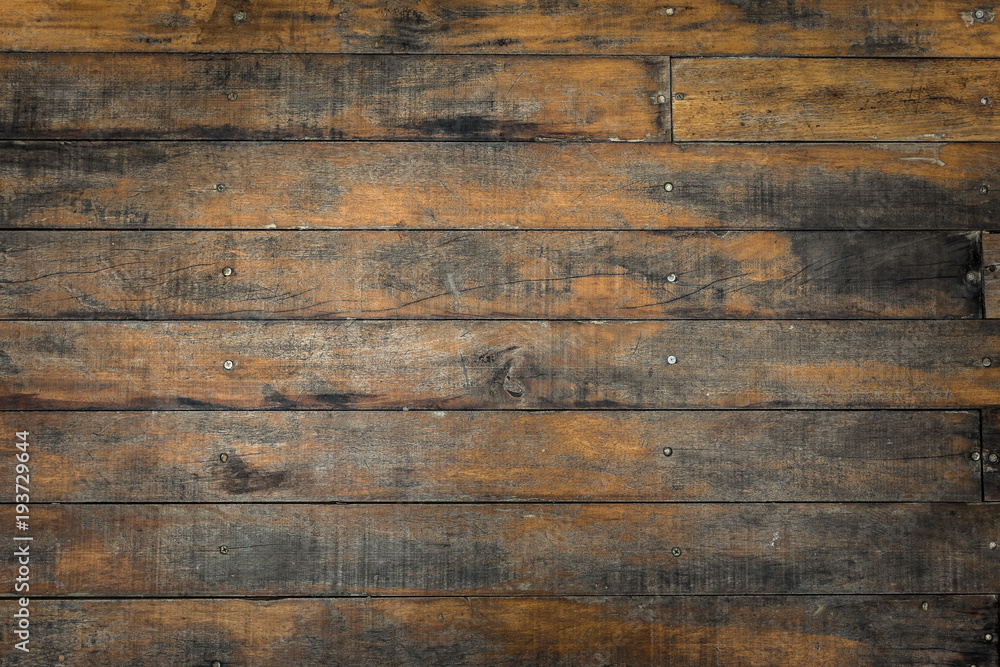
Reclaimed wood may need extra preparation before installation. Check for nails, screws, or other metal pieces. Wood might require sanding to smooth rough spots. It can have variations in thickness that need adjustment. Proper sealing protects the wood and preserves its texture. Experienced installers can handle these unique challenges easily.
Credit: stock.adobe.com
Frequently Asked Questions
How To Identify Old Hardwood Floors?
Identify old hardwood floors by examining grain patterns, color, plank width, and floor hardness. Check for natural wear and original finishes. Historical records or expert advice can confirm age and wood type.
How To Make An Old Hardwood Floor Look Good?
Refinish old hardwood floors by sanding, cleaning, and applying a fresh stain or sealant. Repair damaged boards and add rugs for style.
What Are The Old Types Of Flooring?
Old flooring types include hardwood, stone, tile, linoleum, and carpet. These materials offer durability and classic appeal.
What Are Most Old Hardwood Floors Made Of?
Most old hardwood floors consist of oak, maple, or pine. These woods offer durability and classic appeal. Oak remains the most common choice due to its hardness and grain texture. Pine appears in older, rustic floors. Maple provides a smooth, fine grain alternative for vintage flooring.
Conclusion
Old hardwood floor texture adds warmth and character to any space. Its natural patterns tell stories of time and use. Choosing old wood brings a unique charm that new floors cannot match. Maintaining these floors keeps their beauty and durability intact.
Embrace the timeless appeal of old hardwood floors in your home. They create a cozy, inviting atmosphere that lasts for years.