
When it comes to choosing the perfect flooring, texture plays a huge role in how your space feels and looks. Have you ever wondered why some floors invite you to walk barefoot while others give a cool, sleek vibe underfoot?
Your choice of flooring textures can change everything—from comfort and style to safety and maintenance. You’ll discover how different flooring textures can transform your home or office. Whether you want warmth, elegance, or something practical, understanding these textures will help you make the best decision for your space.
Keep reading to find out which flooring texture suits your lifestyle and taste perfectly.
Credit: www.textures4photoshop.com
Types Of Flooring Textures
Flooring texture plays a crucial role in defining the look and feel of any space. Different textures offer unique aesthetics and practical benefits. Choosing the right texture enhances comfort, style, and safety. Below are common types of flooring textures that homeowners and designers prefer.
Wood And Timber
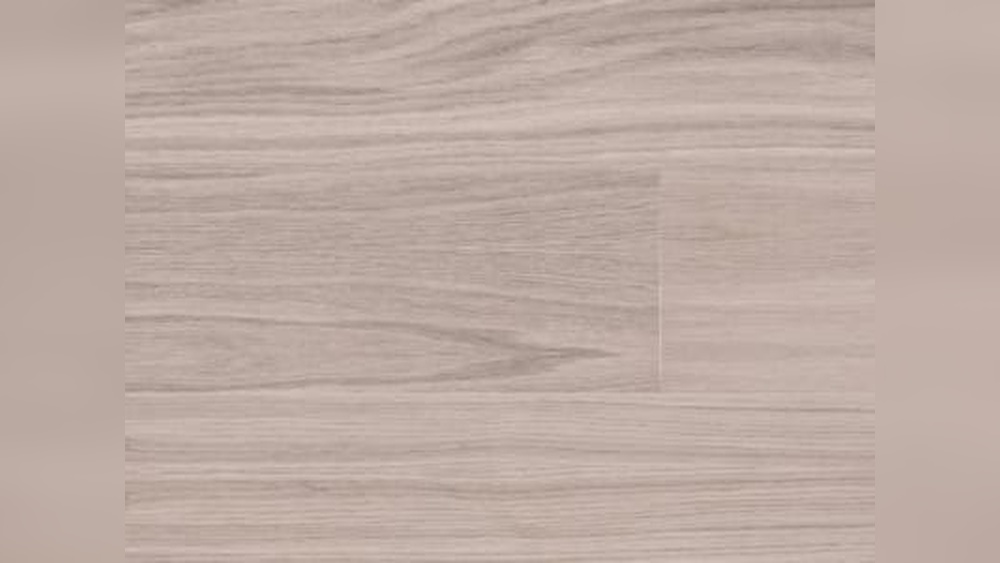
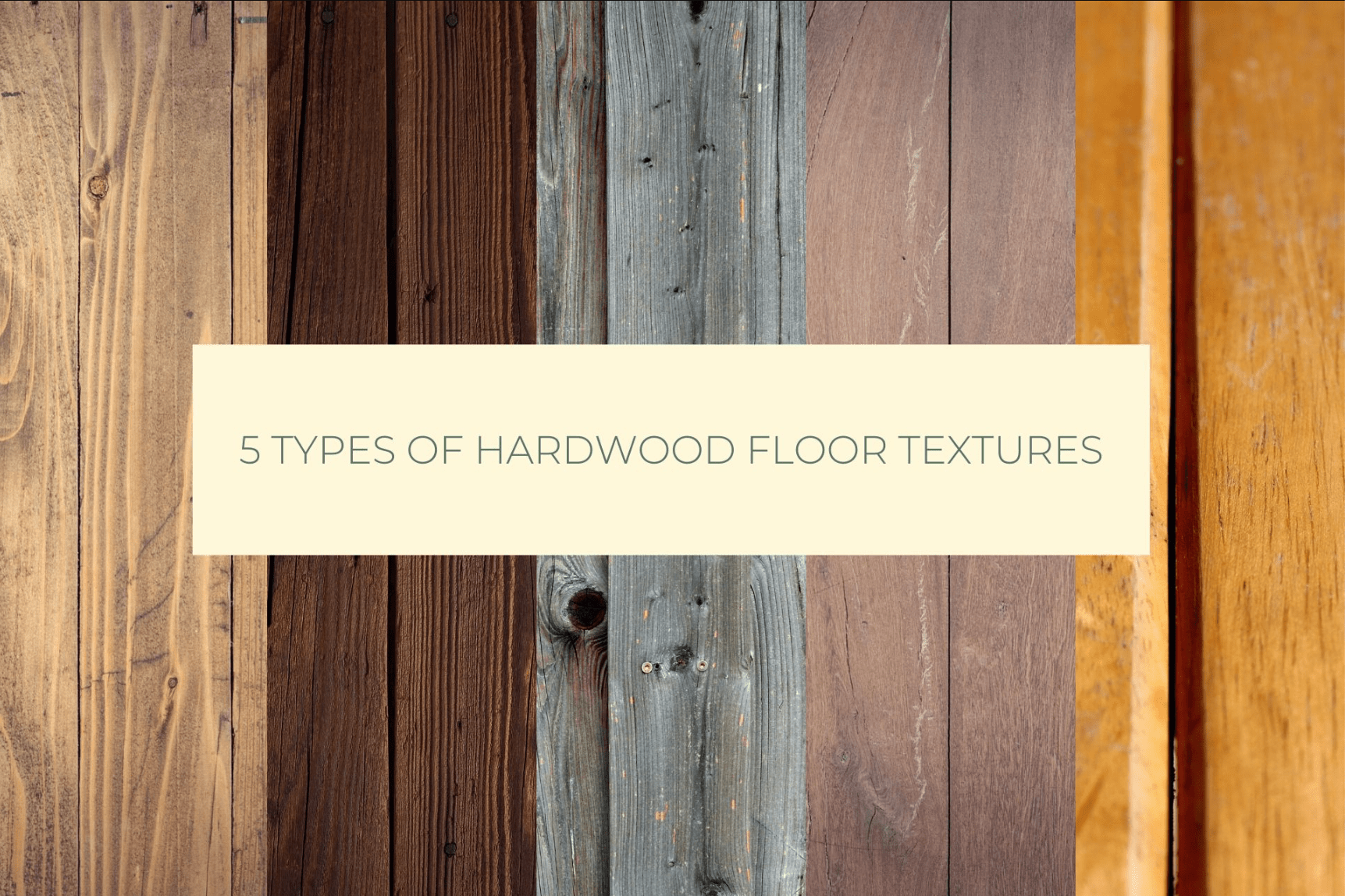
Wood flooring features natural grain patterns and a warm, inviting feel. It offers smooth or slightly rough textures depending on the finish. Timber floors can be polished for a sleek look or distressed for rustic charm. This texture adds character and warmth to rooms.
Tile And Stone
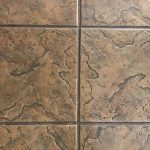
Tiles and stones come in various textures, from smooth and glossy to rough and matte. They provide durability and easy maintenance. Stone textures like slate or travertine add natural elegance. Tiles can be patterned or plain, offering versatile design options.
Laminate And Vinyl
Laminate and vinyl flooring mimic wood or stone textures at a lower cost. Their surfaces can be embossed to create a realistic feel. These options are popular for their resistance to scratches and moisture. They suit busy areas well.
Carpet And Fabric
Carpet textures range from plush and soft to tight loops and berbers. Fabric floors add warmth and sound absorption. They come in many colors and patterns, creating cozy environments. This texture feels comfortable underfoot.
Concrete And Polished Surfaces
Concrete floors offer industrial and modern looks with smooth or textured finishes. Polished concrete shines with a reflective surface. These floors are durable and easy to clean. Textured concrete can prevent slipping in wet areas.
Choosing The Right Texture
Choosing the right texture for your flooring is essential. Texture affects both the look and feel of a room. It can change the entire atmosphere and comfort level. This guide helps you pick the best texture for your needs.
Matching Style And Function
Floor texture should match the room’s style. Smooth textures suit modern, sleek designs. Rough or natural textures fit rustic or traditional spaces. Consider the room’s purpose and decor to find the best match.
Considering Room Usage
The room’s use guides texture choice. High-traffic areas need durable, easy-to-clean textures. Soft textures work well in bedrooms or living rooms. Think about how often the floor will get used and what type of activity occurs.
Balancing Comfort And Durability
Comfort is important for areas where you stand often. Textures like cork or soft wood add warmth and softness. Durability is key in kitchens or hallways. A balance ensures your floor looks good and lasts long.
Impact Of Texture On Space
Texture plays a crucial role in shaping how a space feels and looks. Flooring texture affects the room’s atmosphere and style. It changes the perception of size, warmth, and character. Choosing the right texture can make a room more inviting or sleek. It influences the overall design without adding clutter. Understanding texture’s impact helps in creating balanced, beautiful interiors.
Visual Depth And Dimension
Textured floors add layers to a flat surface. They create shadows and highlights that catch the eye. This effect gives a room more depth. Spaces appear larger or more dynamic with textured flooring. Patterns like wood grain or stone can add natural complexity. This breaks monotony and brings the floor to life. Visual interest grows without using bold colors or shapes.
Creating Warmth And Coziness
Soft, natural textures like wood or carpet invite comfort. They make a space feel warm and welcoming. Rough or matte finishes absorb light, reducing glare. This creates a calm, cozy environment. Textured floors soften hard surfaces and add tactile appeal. People feel more relaxed in rooms with warm textures. These surfaces balance cold or modern elements well.
Enhancing Modern And Minimalist Designs
In minimalist spaces, texture adds subtle detail. Smooth, polished floors reflect light and enhance clean lines. Textures like concrete or large tiles keep the look simple yet interesting. They prevent the space from feeling too empty or sterile. Texture adds character without cluttering the design. It supports the minimalist goal of calm and order.
Combining Textures Creatively
Combining textures creatively can transform any floor into a visual masterpiece. Playing with different flooring textures adds depth and interest. It also brings warmth and personality to a space.
Using texture thoughtfully makes rooms feel balanced and inviting. You can blend smooth and rough, glossy and matte surfaces for striking effects. The key is mixing textures with purpose and style.
Mixing Materials For Contrast
Pairing materials like wood and stone creates strong visual contrast. The warmth of wood complements the cool hardness of stone. Mixing soft carpet with sleek tile adds tactile variety.
This contrast highlights each material’s unique texture. It also prevents monotony, making floors more engaging. Use bold differences or subtle shifts to catch the eye.
Layering Patterns And Finishes
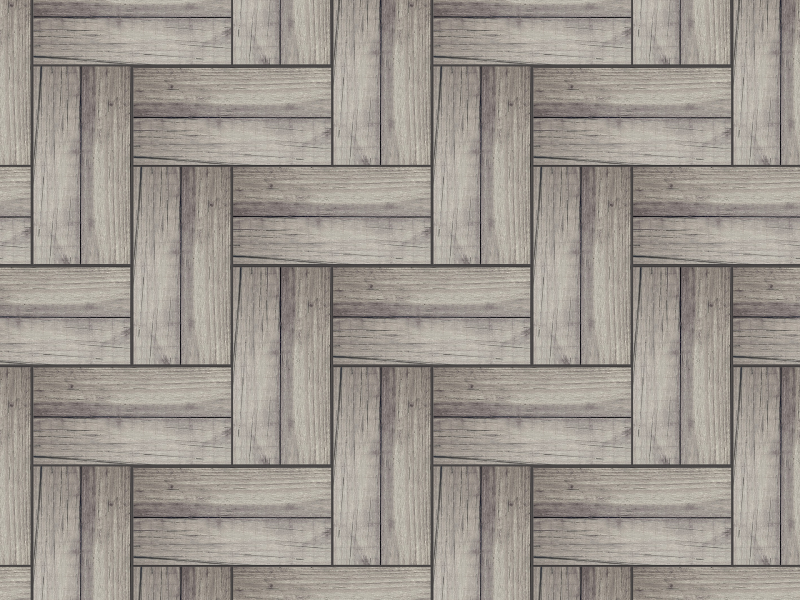
Layering patterns adds complexity to flooring design. Combining herringbone wood with large stone tiles offers a refined look. Mixing matte and glossy finishes boosts visual appeal.
Patterns guide the eye and create rhythm on the floor. Different finishes catch light in unique ways. This layering brings movement and life to any surface.
Using Texture To Define Zones
Texture can mark different zones within open spaces. A soft rug area contrasts with smooth hardwood dining zones. Textured tiles may separate kitchen from living room.
This technique helps organize space without walls. Flooring textures signal function and create cozy corners. It also adds flow and clarity to large rooms.
Maintenance And Longevity
Proper maintenance extends the life of your flooring textures. Different materials need special care to keep their look and durability. Understanding how to clean, protect, and know when to refinish helps you save money. It also keeps your floors safe and attractive for years.
Cleaning Tips For Different Textures
Wood floors require gentle sweeping and a damp mop. Avoid soaking wood with water to prevent warping. For tile, use a mild detergent and scrub grout lines carefully. Stone floors need pH-neutral cleaners to avoid damage. Carpet and fabric textures should be vacuumed regularly to remove dirt. Spot clean stains quickly with appropriate cleaners. Always check the manufacturer’s advice before using any product.
Protecting Surfaces From Wear
Use rugs in high-traffic areas to reduce wear. Felt pads under furniture prevent scratches on wood and laminate. Avoid walking on floors with sharp or heavy objects. Keep pet nails trimmed to protect delicate surfaces. Control indoor humidity to prevent wood from expanding or shrinking. Regularly move furniture slightly to avoid permanent dents. Sunlight can fade colors; use curtains or blinds to block harsh rays.
When To Refinish Or Replace
Refinish wood floors when scratches and dullness appear. Sanding and applying a new finish refresh the surface. Replace tiles if they crack or loosen. Stone floors may need sealing every few years to maintain strength. Carpets should be replaced if worn thin or stained deeply. Laminate floors cannot be refinished and require replacement when damaged. Timely action prevents further damage and maintains safety.
Credit: castlebespokeflooring.com
Latest Trends In Flooring Textures
Flooring textures are evolving rapidly, offering fresh styles and practical benefits. This year highlights new ways to blend beauty with function. Surfaces now do more than just look good—they feel and perform better too.
Trends focus on natural looks, unique materials, and smart features. These options suit various spaces, from cozy homes to busy offices. Here are the key trends shaping flooring textures today.
Sustainable And Eco-friendly Options
Eco-friendly flooring textures gain strong interest. Materials like bamboo and cork offer natural beauty and durability. They grow fast and renew quickly, reducing environmental impact. Recycled wood and reclaimed materials also rise in popularity.
These floors often have soft, warm textures that feel good underfoot. They support healthier indoor air quality by avoiding toxic chemicals. Choosing sustainable textures means caring for the planet and your home.
Innovative Materials And Finishes
New materials bring exciting texture possibilities. Concrete floors now have polished, matte, or stamped finishes for unique looks. Luxury vinyl tiles mimic wood, stone, or metal with realistic textures.
Textured ceramic and porcelain tiles add depth and grip. Some floors combine rough and smooth areas for contrast. These options boost style and safety, perfect for busy areas or wet rooms.
Smart Flooring Technologies
Smart flooring adds comfort and convenience. Heated floors with textured surfaces keep spaces warm and cozy. Sensors embedded in floors detect movement and adjust lighting or temperature.
Some floors feature antimicrobial coatings that protect against germs. These smart textures improve hygiene and create safer environments. Technology blends seamlessly with design in modern flooring choices.
Inspiration From Austin, Texas
Austin, Texas blends rich culture with modern living. This vibrant city inspires unique flooring textures. Its style reflects both heritage and innovation.
Explore how Austin’s local designs influence flooring choices. Discover textures that capture the city’s spirit. See how these ideas create stunning floors.
Local Flooring Styles
Austin favors natural materials and rustic charm. Wood floors with a weathered look are common. Stone tiles add a rugged, earthy feel. Many homes mix old and new styles. This blend creates a warm, welcoming space.
Popular Texture Choices
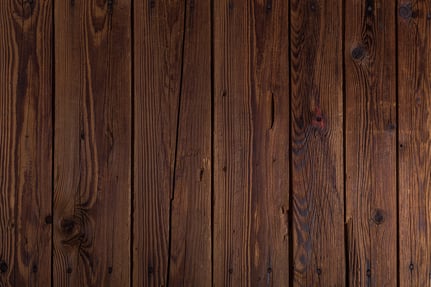
Textured wood planks stand out in Austin homes. They show grain patterns and knots clearly. Smooth polished concrete floors offer a modern touch. Textured tiles with geometric patterns are trendy. These choices reflect Austin’s creative vibe.
Showcase Of Stunning Designs
Austin’s flooring designs often feature bold contrasts. Dark wood with light grout highlights tile patterns. Layered textures add depth and interest. Some floors combine wood and stone seamlessly. These styles bring personality and charm to any room.
Credit: castlebespokeflooring.com
Frequently Asked Questions
What Are The Most Popular Flooring Textures?
Popular flooring textures include wood grain, stone, tile, and carpet. Each offers unique aesthetics and durability suited for different spaces.
How Do Flooring Textures Affect Room Design?
Flooring textures influence a room’s ambiance and style. Rough textures add warmth, while smooth finishes create a modern, sleek look.
Which Flooring Texture Is Best For High-traffic Areas?
Durable textures like tile, stone, and commercial-grade vinyl work best in high-traffic zones due to their resistance to wear and easy maintenance.
Can Textured Flooring Improve Safety?
Yes, textured flooring can reduce slips and falls by providing better traction, especially in wet or busy environments.
Conclusion
Choosing the right flooring texture can change any space’s look and feel. Smooth, rough, glossy, or matte—each texture offers something unique. Think about comfort, style, and maintenance before deciding. Textures influence how floors look and how they feel underfoot. Explore options like wood, tile, or laminate to find what fits your home best.
A good texture adds character and warmth to your rooms. Keep these tips in mind to make smart flooring choices. Your floor’s texture matters more than you might think.