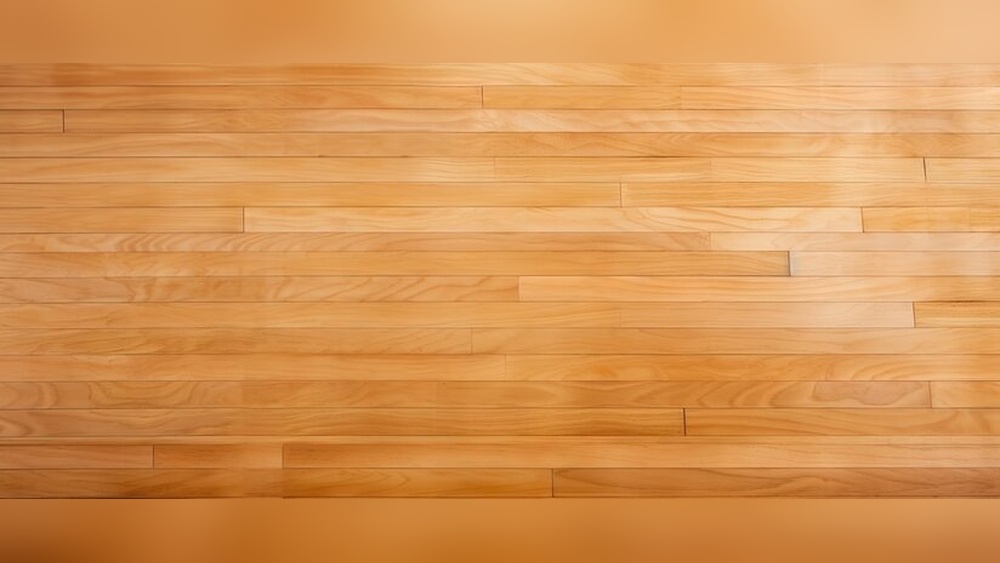

When it comes to basketball, the floor beneath your feet plays a bigger role than you might think. The texture of a basketball floor affects how you move, how you grip the court, and even how the ball bounces.
Whether you’re a player, coach, or facility manager, understanding basketball floor texture can help you improve performance and safety. You’ll discover what makes the perfect basketball floor texture, why certain materials are chosen, and how the right surface can elevate your game.
Ready to learn what’s under your sneakers? Let’s dive in.
Credit: stock.adobe.com
Basketball Court Flooring Types
Basketball courts come with different floor types. Each type affects how the game feels and plays. Choosing the right floor depends on use, budget, and location. Floors must offer good grip, durability, and comfort. Here are common basketball court flooring types used worldwide.
Hardwood Surfaces
Hardwood is the most traditional basketball floor. Maple wood is the top choice for indoor courts. It offers a smooth, polished surface with excellent bounce. This floor type supports fast moves and quick stops. Hardwood floors need regular maintenance to keep their shine and safety.
Vinyl And Pvc Options
Vinyl and PVC floors provide a budget-friendly alternative to wood. They are easy to install and clean. These floors have good shock absorption and grip. Many gyms and schools prefer vinyl for multipurpose use. They come in various colors and patterns to match court designs.
Synthetic Sport Tiles
Synthetic sport tiles are modular and versatile. They snap together over any flat surface. These tiles offer excellent traction and cushioning. Players feel less impact on their joints. Synthetic tiles are common in outdoor courts and community centers. They resist weather and wear well over time.
Concrete And Asphalt Courts
Concrete and asphalt are popular for outdoor basketball courts. They are strong, durable, and low-cost. These surfaces can be rough and hard on players’ bodies. Painting and sealing help improve grip and reduce dust. Many parks and schools use these floors for their long life span.
Wood Texture And Its Benefits
Wood texture is a popular choice for basketball floors. It offers a natural look and strong performance. The wooden surface provides good traction and durability. Players enjoy the smooth feel under their shoes. Wood floors also add warmth and style to any court.
Maple wood is the top pick for basketball courts. It has qualities that support fast and safe gameplay. The wood’s texture helps reduce injuries and improves ball bounce. The natural grain creates a unique visual appeal that players and fans appreciate.
Maple Wood Characteristics
Maple wood is hard and dense. This makes it resistant to dents and scratches. It absorbs shock well, protecting players’ joints. The wood’s smooth surface allows quick and steady ball movement. Maple also lasts for many years with proper care.
Light And Dark Wood Patterns
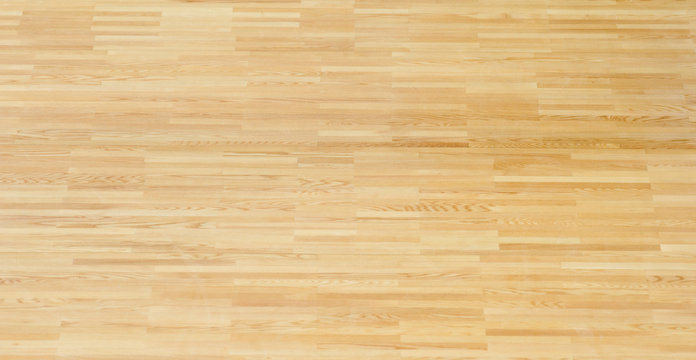
The floor shows alternating light and dark wood strips. This pattern is natural, caused by the wood grain. It helps players track ball and player movement easily. The contrast improves visibility, especially under bright court lights.
Visual Contrast For Gameplay
Visual contrast guides players during fast plays. It defines court boundaries and key areas clearly. The pattern reduces mistakes by improving focus. Coaches and referees also benefit from clear court markings. Overall, it supports a better basketball experience.
Surface Finish And Traction
The surface finish of a basketball floor plays a vital role in player safety and performance. It affects how well players can move, stop, and change direction. Traction on the court must balance grip with smoothness to prevent slips and injuries. Different finishes create different feels and impacts on the game.
Choosing the right floor texture helps maintain control during fast plays. It also influences how the ball bounces and rolls. The finish should reduce glare and provide reliable footing for athletes.
Shiny Wood And Grip
Shiny wood floors offer a smooth surface for quick movements. The polished finish allows players to slide slightly without losing balance. This controlled slip helps with sharp cuts and pivots. The wood’s natural texture combined with polish creates solid traction. It supports fast dribbling and sudden stops.
Proper maintenance keeps the shine and grip intact. Too much polish can cause slipperiness. Too little makes the floor rough and hard to move on. A balanced finish ensures players feel secure underfoot.
Glare Impact On Performance
Bright reflections from shiny floors can cause glare. Glare may distract players or affect their vision. It can reduce focus during crucial moments. Lighting design in the gym must minimize these reflections. Positioning lights to avoid direct shine on players helps.
Matte finishes reduce glare and provide a more even light spread. Courts with high gloss require extra care in lighting setup. Coaches and players often prefer finishes that limit eye strain.
Matte Vs Glossy Finishes
Matte floors have a muted look with low shine. They offer good traction by reducing slipperiness. Matte finishes also cut down glare and reflections. Glossy floors shine brightly and look polished. They can enhance the court’s appearance but may cause glare issues.
Matte surfaces feel more natural and less slippery. Glossy floors give a sleek, professional look. The choice depends on player preference and gym lighting. Many gyms use a semi-gloss finish to balance both benefits.
Enhancing Grip Through Texture
Good grip on a basketball floor is key for player safety and performance. The floor’s texture affects how players move and stop quickly. Courts with the right texture reduce slipping and improve control. Players feel more confident making fast turns and sudden stops.
Texture is not just about roughness; it is about how the surface interacts with the shoe sole. Designers use different textures to balance grip and smoothness. This balance helps in maintaining speed without losing traction.
Surface Roughness And Friction
Surface roughness increases friction between the shoe and floor. More friction means better grip. Too much roughness can slow down movement. Too little roughness can cause slipping. Courts often have a moderate roughness level to allow safe, fast play.
Pebbled Structures On Court
Pebbled textures are small, raised bumps on the floor surface. They add tiny points of contact for shoe soles. This design improves grip without making the floor harsh. Pebbled surfaces help players keep balance during quick moves. These textures are common in synthetic court materials.
Comparing Grip On Different Materials
Wood floors offer smooth surfaces with natural grain patterns for grip. Vinyl and PVC floors use pebbled or textured finishes for added traction. Concrete and asphalt are rough but less forgiving on joints. Synthetic floors provide a mix of grip and shock absorption. Each material offers unique grip levels for different play styles.
Shock Absorption And Player Safety
Shock absorption plays a vital role in basketball floor texture. It helps reduce the impact on players’ joints and muscles. A floor with proper shock absorption improves player safety and comfort. It supports intense movements and quick stops without causing harm.
Cushioning Properties Of Flooring
Basketball floors should offer good cushioning. This cushioning lowers the force felt by feet, knees, and ankles. Floors with soft layers absorb shocks better than hard surfaces. This feature protects players from strain during jumps and sprints. Proper cushioning also enhances balance and agility.
Injury Prevention Benefits
Shock-absorbing floors reduce the risk of injuries. They help prevent sprains, strains, and joint pain. A safe surface lessens the chance of long-term damage from repeated impacts. Players can perform confidently knowing the floor supports their movements. Safer floors encourage longer play and better performance.
Material Choices For Impact Resistance
Materials like hardwood, vinyl, and rubber offer impact resistance. Hardwood maple is common for its durability and slight flex. Vinyl provides good shock absorption and easy maintenance. Rubber layers beneath the surface add extra cushioning. Choosing the right material balances safety with playability.

Credit: www.mamabearsquiltshop.com
Maintenance And Durability
Maintaining basketball floor texture ensures the court stays safe and attractive. Durable floors resist damage and keep players confident during games. Proper care extends the life of both hardwood and synthetic surfaces. This section covers easy cleaning methods and repair tips to protect your court investment.
Cleaning Techniques For Hardwood
Use a soft broom or dust mop daily to remove dirt and dust. Avoid wet mopping; excess water can damage wood. For deeper cleaning, use a damp mop with a wood floor cleaner. Always dry the floor quickly after cleaning. Avoid harsh chemicals that can strip the finish. Regular cleaning keeps the surface smooth and safe for players.
Longevity Of Synthetic Floors
Synthetic basketball floors resist scratches and stains better than wood. Clean synthetic surfaces with a soft broom and mild detergent. Avoid abrasive tools that can wear down texture. These floors need less maintenance but still require routine care. Protect the surface from heavy equipment or sharp objects. Proper care helps synthetic floors last many years.
Repairing Surface Wear
Small scratches on hardwood floors can be repaired with wood filler or touch-up kits. Deep gouges may need professional sanding and refinishing. Synthetic floors require patching kits for damaged areas. Replace tiles if the damage is severe. Address wear early to prevent bigger problems. Regular inspections catch damage before it worsens.
Visual Appeal And Design
Basketball floor texture plays a key role in the visual appeal and overall design of a court. A well-designed floor enhances the atmosphere and highlights the sport’s energy. The texture and design elements create an inviting space for players and fans alike. Each detail on the floor contributes to the court’s unique character and functionality.
Wood Grain Patterns
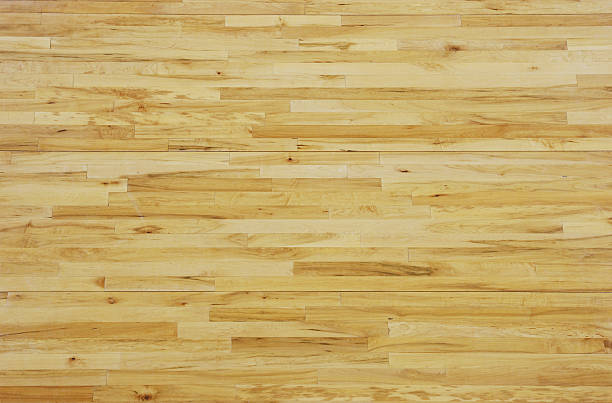
Wood grain patterns add natural beauty to basketball floors. The lines and swirls in the wood create a warm, classic look. These patterns vary by wood type and finish, giving each court a unique style. Light and dark tones in the grain improve depth and texture. This enhances the floor’s aesthetic and makes the court visually interesting.
Court Line Visibility
Clear court lines are essential for player guidance and game flow. The texture of the floor affects how well these lines stand out. Smooth, polished surfaces reflect light evenly, making lines easy to see. Sharp, contrasting colors help players quickly identify boundaries. Good line visibility reduces errors and supports fair play.
Custom Floor Graphics
Custom floor graphics add personality and branding to the court. Logos, mascots, and team colors bring energy to the space. The texture beneath the graphics must be smooth for a clean, sharp image. High-quality finishes protect the design from wear and tear. Custom graphics create a memorable visual impact for teams and fans.
Credit: www.istockphoto.com
Frequently Asked Questions
What Kind Of Flooring Is Used In Basketball?
Basketball courts primarily use hardwood flooring, especially maple wood, for durability and smooth play. Vinyl and sport tiles are also common alternatives. Hardwood offers excellent traction, shock absorption, and a polished surface for better ball visibility and player performance.
Why Are Basketball Floors So Shiny?
Basketball floors shine due to polished hardwood, enhancing smooth traction and consistent ball bounce. The glossy finish improves visibility and aesthetics.
What Is The Texture Of A Basketball?
A basketball has a pebbled leather surface texture. This texture enhances grip and control during play.
What Material Is A Basketball Floor Made Of?
Basketball floors are made of high-quality hardwood, typically maple wood. This wood offers durability, smooth traction, and a distinct light and dark pattern for visibility.
Conclusion
Choosing the right basketball floor texture affects play and safety. Smooth wooden floors offer great bounce and control. Textured surfaces improve grip and reduce slipping risks. Courts with proper flooring enhance player comfort and performance. Consider durability and maintenance when selecting materials.
A good floor supports fast, skillful basketball action. Proper texture helps players move confidently and avoid injuries. Quality flooring creates a better game experience for everyone.