
When it comes to choosing the perfect flooring, texture plays a huge role in how your space looks and feels. If you’re considering polished concrete floors, understanding their texture can help you decide if they’re right for your home or business.
Polished concrete floors aren’t just smooth and shiny—they offer a range of textures that add character, grip, and style. Whether you want a sleek, glass-like finish or a subtly textured surface that’s easy to maintain, knowing the options will help you make the best choice.
Keep reading to discover how polished concrete floor textures can transform your space, boost durability, and even simplify cleaning—giving you a floor that looks amazing and works hard for you every day.
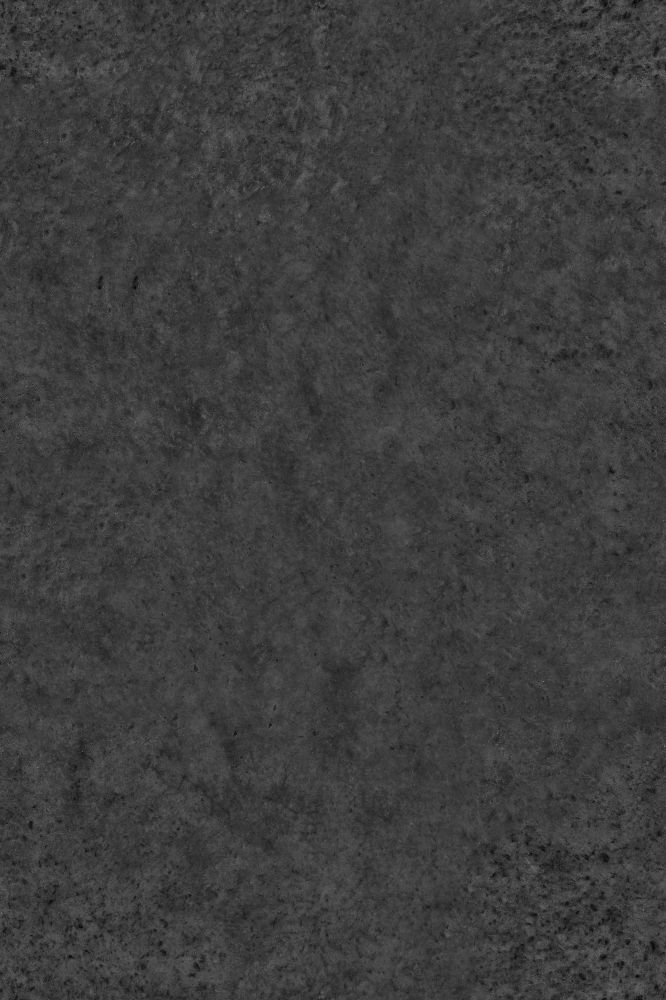
Credit: architextures.org
Polished Concrete Basics
Polished concrete floors offer a sleek, modern look with lasting durability. They combine style and strength, making them a popular choice for many spaces. Understanding the basics of polished concrete helps in choosing the right floor texture and finish for your needs.
This section explains what polished concrete is, its benefits, and common uses in homes and businesses.
What Is Polished Concrete?
Polished concrete is a concrete floor treated with grinding and polishing tools. The surface is smoothed to a high shine using diamond abrasives. This process removes imperfections and creates a reflective finish. No additional materials like tiles or carpet are needed. The concrete itself becomes the final floor surface.
Benefits Of Polished Concrete Floors
Polished concrete floors last for many years without needing replacement. They resist stains, scratches, and heavy foot traffic. The floors are easy to clean and require little maintenance. Polished concrete also improves indoor air quality since it does not trap dust or allergens. Its shiny surface reflects light, brightening rooms and reducing energy costs.
Common Uses In Residential And Commercial Spaces
Homes use polished concrete for kitchens, basements, and living rooms. Its durability suits busy family areas and pets. Commercial spaces like offices, retail stores, and restaurants favor polished concrete for its professional look. Warehouses and factories benefit from its strong, low-maintenance surface. Polished concrete fits both modern designs and industrial styles.
Texture Options For Polished Concrete
Polished concrete floors offer a variety of texture options that enhance both appearance and functionality. Each texture creates a unique look and feel, fitting different spaces and styles. Choosing the right texture can improve comfort, safety, and design impact.
Smooth And Glossy Finishes
Smooth and glossy finishes create a sleek, shiny surface. These floors reflect light well, brightening any room. They feel cool and smooth underfoot, ideal for modern interiors. This finish requires regular care to maintain its shine. It highlights the natural beauty of the concrete.
Matte And Honed Textures
Matte and honed textures offer a soft, muted look. They have less shine but retain a smooth touch. These finishes hide scratches and dirt better than glossy floors. They suit spaces needing a calm, subtle feel. Honed concrete balances style with practicality.
Coarse And Troweled Patterns
Coarse and troweled patterns add visible texture and grip. These surfaces are rougher and less reflective. They increase slip resistance, making floors safer in wet areas. Different tools create patterns from swirls to arcs. This texture adds character and depth to floors.
Custom Patterns And Designs
Custom patterns let you personalize polished concrete floors. Options include geometric shapes, logos, or artistic designs. These patterns are embedded during the finishing process. Custom textures make floors stand out and express creativity. They work well in commercial and residential settings.
Techniques To Achieve Texture
Achieving texture on polished concrete floors requires specific techniques. These methods shape the surface to create visual interest and enhance slip resistance. Different tools and processes produce varied textures, from rough to smooth. Understanding these techniques helps in selecting the best finish for any space.
Using Wood Floats For Coarser Textures
Wood floats create a rougher texture on concrete surfaces. They are used soon after pouring the concrete. The wood’s porous surface drags over the wet concrete, producing small ridges. This finish adds grip and a natural look. It suits industrial or rustic design styles.
Aluminum Floats And Steel Trowels For Medium Finishes
Aluminum floats and steel trowels offer a smoother texture than wood floats. Aluminum floats leave a medium texture with subtle patterns. Steel trowels create a polished, smooth finish but with some texture. These tools are used after initial setting. They work well in commercial and residential spaces.
Etching And Stamping Methods
Etching uses acid or abrasive materials to lightly roughen the surface. It reveals texture by removing the top layer of concrete. Stamping presses patterns into the wet concrete. These methods add decorative textures like stone or brick looks. They provide unique designs while keeping durability.
Incorporating Aggregates And Inlays
Aggregates like pebbles or glass pieces add texture inside the concrete. They create a speckled or rough appearance. Inlays involve embedding materials such as metal or tile strips into the surface. These accents offer contrast and visual depth. Both techniques customize flooring with artistic details.
Style Trends In Polished Concrete
Polished concrete floors offer versatile style options that fit many design tastes. Their texture and finish create unique surfaces that enhance any space. Trends in polished concrete focus on blending aesthetics with function. These floors can be sleek, rustic, or colorful. They adapt well to modern and classic interiors. Explore popular style trends shaping polished concrete floors today.
Industrial And Minimalist Looks
Industrial style favors raw, exposed concrete with a smooth finish. Polished concrete floors highlight the natural texture of cement. Minimalist designs use neutral tones and clean lines. These floors provide a sleek, uncluttered look. They work well in lofts, offices, and modern homes. The simple texture adds subtle character without overpowering space.
Rustic And Natural Stone Effects
Rustic trends mimic the look of natural stone with polished concrete. Techniques add texture that resembles slate or granite surfaces. The finish can be matte or lightly polished for earthiness. This style brings warmth and organic feel indoors. It suits cottages, country homes, and cozy commercial spaces. Textured polished concrete blends durability with nature-inspired beauty.
Color Enhancements And Dyes
Adding color to polished concrete floors is increasingly popular. Dyes and stains create vibrant or subtle hues. These colors highlight the floor’s texture and depth. Options range from soft pastels to bold, rich tones. Colored floors personalize any room and enhance design themes. They remain durable and easy to maintain over time.
Mixing Polished Concrete With Other Materials
Combining polished concrete with wood, metal, or tile creates striking contrasts. These materials add warmth and texture alongside concrete’s smooth surface. Patterns and borders using different materials define spaces clearly. This trend suits open-plan homes and commercial interiors. Mixing materials adds visual interest and unique style to floors.
Maintenance And Care Tips
Maintaining polished concrete floors ensures their texture stays attractive and durable. Proper care prevents dullness and surface damage. Simple routines keep floors looking fresh and extend their life. Follow these easy maintenance and care tips to protect your polished concrete texture.
Daily Cleaning Practices
Remove dust and dirt daily with a soft broom or dust mop. Avoid using abrasive tools that can scratch the surface. Clean floors prevent grit from wearing down the polish. Keep dirt off entryways to reduce tracked-in debris.
Weekly Wet Mopping Techniques
Use a damp mop with clean water for weekly cleaning. Avoid soaking the floor; excess water can harm the finish. Mop gently to lift grime without damaging texture. Change water frequently to avoid spreading dirt across the floor.
Choosing The Right Cleaning Products
Select pH-neutral cleaners made for polished concrete floors. Harsh chemicals can dull the shine and weaken the surface. Avoid acidic or alkaline products that cause etching or discoloration. Always follow product instructions for best results.
Avoiding Common Damage And Wear
Place mats at entrances to catch dirt and moisture. Use furniture pads to prevent scratches and dents. Avoid dragging heavy items across the floor. Regularly inspect for signs of wear and address them early.
Challenges And Considerations
Polished concrete floors offer a sleek and durable surface but come with certain challenges. Understanding these issues helps ensure the floor remains attractive and functional. Some factors affect the texture and longevity of polished concrete. Addressing these considerations early can save time and money.
Potential For Surface Dulling
Polished concrete floors can lose their shine over time. Heavy use, dirt, and spills wear down the polished finish. This dulling effect reduces the floor’s visual appeal. Regular cleaning and occasional re-polishing help maintain the surface brightness. Choosing the right sealant also protects against dullness.
Handling Heavy Traffic Areas
Areas with constant foot or vehicle traffic need special attention. Polished concrete can resist wear but may show scratches or scuffs. Using harder aggregates in the mix improves durability. Adding protective mats in high-traffic zones reduces damage. Planning traffic flow can extend the floor’s lifespan.
Cost Factors And Installation Time
Installing polished concrete floors requires skilled labor and quality materials. The cost varies depending on floor size and desired finish. Complex textures or patterns increase installation time. Preparing the concrete surface properly is essential. Budgeting for maintenance and possible repairs is wise.
Environmental Impact And Sustainability
Polished concrete is eco-friendly compared to some flooring options. It uses existing concrete slabs, reducing waste. The process requires less water and chemicals than alternatives. Polished floors improve indoor air quality by reducing dust. Choosing local materials lowers the carbon footprint.
Applications To Transform Spaces
Polished concrete floors offer a unique texture that changes the feel of any space. This flooring type suits many environments due to its durability and design flexibility. It can enhance both the look and functionality of rooms, indoors or outdoors.
The smooth, reflective surface adds brightness and a modern touch. The textured finish allows customization to fit different styles and needs. This section explores how polished concrete floors transform various spaces.
Residential Flooring Ideas
Polished concrete floors bring a sleek, clean look to homes. They work well in living rooms, kitchens, and basements. The texture can be smooth or slightly rough for safety. Homeowners enjoy easy cleaning and long-lasting floors. Different stains and colors can personalize the surface. These floors pair well with modern and rustic designs.
Commercial And Industrial Uses
In commercial spaces, polished concrete offers strength and low maintenance. Retail stores and offices benefit from its polished shine. Industrial settings value its resistance to heavy wear and chemicals. The floor’s texture prevents slips and adds safety. It supports heavy machinery and high foot traffic without damage.
Outdoor And Patio Options
Polished concrete floors also fit outdoor patios and walkways. Textured finishes improve traction and prevent slipping in wet conditions. These floors withstand weather changes and heavy use. The reflective surface enhances outdoor lighting. Stamped or stained patterns add decorative appeal to patios and garden paths.
Creative Architectural Installations
Architects use polished concrete floors for artistic and functional designs. Unique textures create visual interest and depth. Floors can feature geometric patterns or custom etchings. The material supports minimalist and industrial-style buildings. It also works well in galleries, showrooms, and public spaces where design matters.
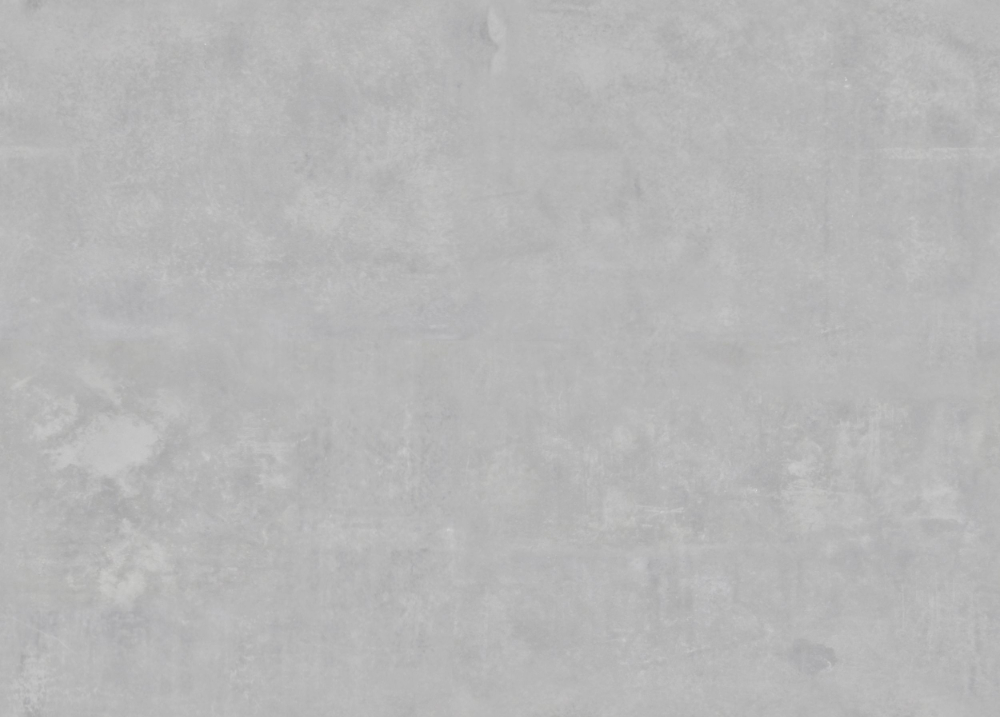
Credit: www.coohom.com
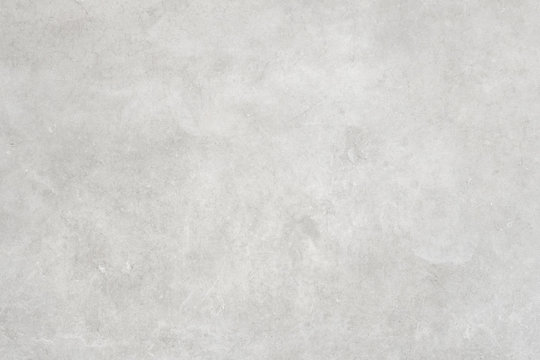
Credit: stock.adobe.com
Frequently Asked Questions
What Are The Downsides Of Polished Concrete Floors?
Polished concrete floors can dull over time, especially under heavy traffic or spills. They may feel cold and hard. Installation costs can be high. Slipperiness when wet poses a safety risk. Repairs require professional attention and can be costly.
How To Get A Textured Finish On Concrete?
Use a wood float for coarse texture or an aluminum float/steel trowel for smoother finishes. Add patterns while concrete is wet.
Are Polished Concrete Floors Still In Style?
Polished concrete floors remain stylish due to their sleek look, durability, and low maintenance. They fit modern and industrial designs well.
Can You Mop A Polished Concrete Floor?
Yes, mop polished concrete floors using a soft mop and pH-neutral cleaner weekly. Avoid harsh chemicals and abrasive tools to protect the finish. Dust mop daily to remove dirt and prevent scratches.
Conclusion
Polished concrete floors offer a unique texture that blends style with strength. They suit many spaces, from homes to businesses. Their smooth, reflective surface adds brightness and a modern touch. Regular cleaning keeps the shine and texture looking fresh. Texture choices range from smooth to slightly rough, giving design flexibility.
With proper care, these floors last for years. Their durability and easy maintenance make them a smart option. Polished concrete floors balance beauty and function in any setting.