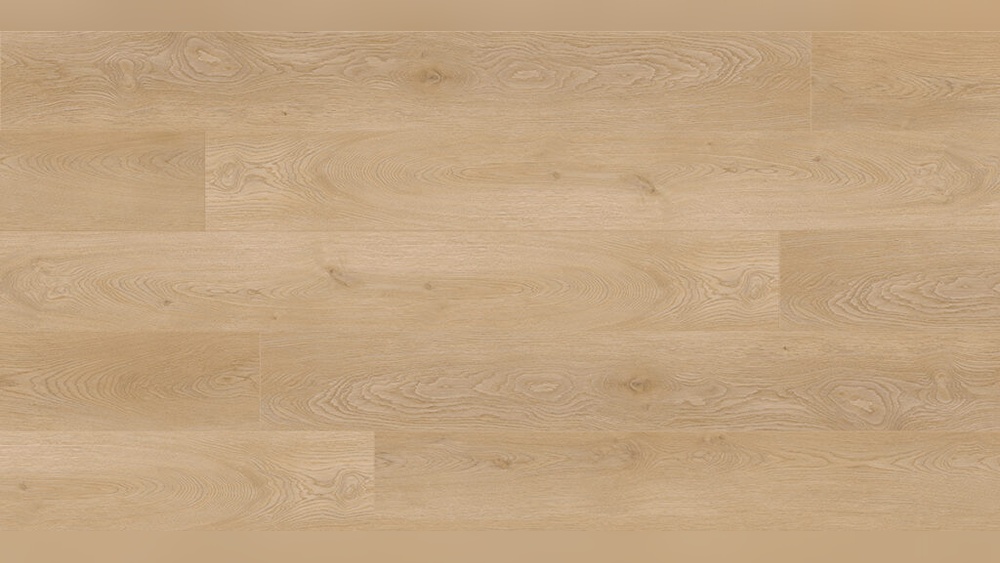

Are you dreaming of the warm, natural beauty of wood floors but worried about the cost or upkeep? Wooden vinyl flooring texture might be the perfect solution for your space.
It gives you the authentic look and feel of real wood, with added durability and easy maintenance. Imagine stepping onto floors that look stunningly natural and inviting, yet resist scratches, spills, and wear. Whether you’re updating your living room, kitchen, or office, wooden vinyl flooring texture transforms your space with style and practicality.
Keep reading to discover why this flooring choice could be exactly what your home needs.
Types Of Wooden Vinyl Flooring
Wooden vinyl flooring offers a practical and stylish alternative to natural wood floors. It combines the beauty of wood textures with the durability of vinyl. Different types suit various needs and budgets. Each type has unique features and installation methods. Understanding these types helps in choosing the right flooring for your space.
Luxury Vinyl Planks
Luxury vinyl planks (LVP) mimic the look of real wood planks. They are long and narrow, resembling hardwood flooring. LVP offers high durability and water resistance. It is perfect for kitchens, bathrooms, and busy areas. Installation is simple, often click-lock or glue-down. These planks come in many wood grain patterns and colors.
Vinyl Tiles
Vinyl tiles resemble small wood or stone tiles. They come in square or rectangular shapes. Vinyl tiles allow creative patterns and designs. They are easy to replace if damaged. Tiles are ideal for both residential and commercial spaces. Their texture and finish give a realistic wooden floor feel.
Sheet Vinyl
Sheet vinyl is a large, continuous roll of flooring. It is affordable and quick to install. This type provides a smooth surface with wood-like designs. Sheet vinyl is highly water-resistant and easy to clean. It works well in large rooms and open spaces. The seamless nature reduces dirt buildup and improves hygiene.
Wood Grain Textures
Wood grain textures bring natural charm to wooden vinyl flooring. These textures mimic real wood’s look and feel. They add depth and style to any room. Choosing the right texture enhances the floor’s beauty and durability. Explore popular wood grain textures below to find the perfect fit for your space.
Smooth Vs. Embossed Finishes
Smooth finishes offer a sleek, polished look. They feel soft underfoot and are easy to clean. Embossed finishes recreate the wood’s natural ridges and grooves. This adds a tactile dimension that looks authentic. Embossed textures hide scratches and wear better than smooth ones. Both finishes suit different tastes and needs.
Hand-scraped Styles
Hand-scraped textures imitate the marks made by hand tools. They give floors a rustic, vintage appearance. Each plank has unique irregularities that add character. This style works well in cozy, traditional homes. Hand-scraped floors show less dirt and damage because of their uneven surface.
Wire-brushed Effects
Wire-brushed textures reveal the wood’s grain by brushing away soft wood fibers. This creates a subtle, textured surface that feels natural. It enhances the wood’s grain patterns and highlights details. Wire-brushed floors are durable and slip-resistant. They fit modern and classic interior designs alike.
Color Variations
Wooden vinyl flooring offers a rich variety of color options that suit many home styles. These color variations bring warmth and charm to any room. Choosing the right shade can enhance your decor and create the perfect atmosphere.
Light Wood Tones
Light wood tones create an airy and open feel in any space. Shades like maple, pine, and birch bring natural brightness. They work well in small rooms, making them look larger and cleaner. Light wood tones match modern and Scandinavian designs perfectly.
Medium Oak Shades
Medium oak shades offer a classic and inviting look. These colors balance warmth and neutrality. They fit many styles, from traditional to rustic. Medium tones hide dirt and scratches better than light shades. They add a cozy and timeless touch to floors.
Dark Walnut Hues
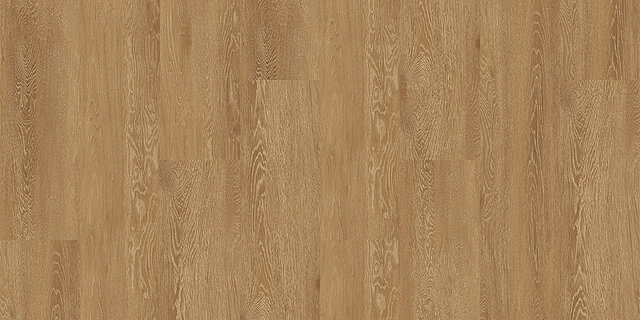
Dark walnut hues add depth and elegance to floors. Rich browns and chocolate tones create a bold statement. These colors suit large rooms and spaces with plenty of light. Dark walnut shades give a luxurious feel and highlight wood grain textures beautifully.
Credit: shop.interface.com
Benefits For Modern Homes
Wooden vinyl flooring texture offers many benefits for modern homes. It combines the natural look of wood with the practical advantages of vinyl. This type of flooring suits different styles and busy lifestyles. It brings warmth and elegance without heavy upkeep. Below are key benefits that make wooden vinyl flooring a smart choice for contemporary living spaces.
Durability And Maintenance
Wooden vinyl flooring texture is very durable. It stands up to daily wear and tear. Scratches and dents are less visible than on real wood. Cleaning is simple with just a broom or mop. No need for special cleaners or polishing. This makes it ideal for homes with kids or pets. It keeps its fresh look for years.
Water Resistance
This flooring resists water better than hardwood. It can handle spills and moisture without damage. This feature suits kitchens, bathrooms, and basements. Homeowners avoid warping or swelling issues common with real wood. The water resistance adds peace of mind. It helps maintain a clean and safe floor.
Comfort And Warmth
Wooden vinyl flooring texture feels warm underfoot. It absorbs heat better than tile or stone. This comfort suits chilly mornings or cold climates. The surface is soft enough to reduce foot fatigue. It creates a cozy atmosphere in any room. The wood look adds natural charm and style.
Installation Techniques
Wooden vinyl flooring offers a beautiful texture that mimics real wood. The installation process varies based on the technique chosen. Each method has its benefits and suits different needs and skill levels. Understanding these techniques helps in selecting the best one for your space.
Click-lock Systems
Click-lock systems are popular for their easy installation. Planks snap together without the need for glue or nails. This method creates a floating floor that rests above the subfloor. It allows for quick installation and easy removal if needed. Perfect for DIY projects and rental homes.
Glue-down Methods
Glue-down methods provide a strong, permanent bond. Adhesive is applied directly to the subfloor before laying the vinyl planks. This technique offers better stability and reduces floor movement. Best for high-traffic areas and commercial spaces. Requires more time and skill to install properly.
Peel-and-stick Options
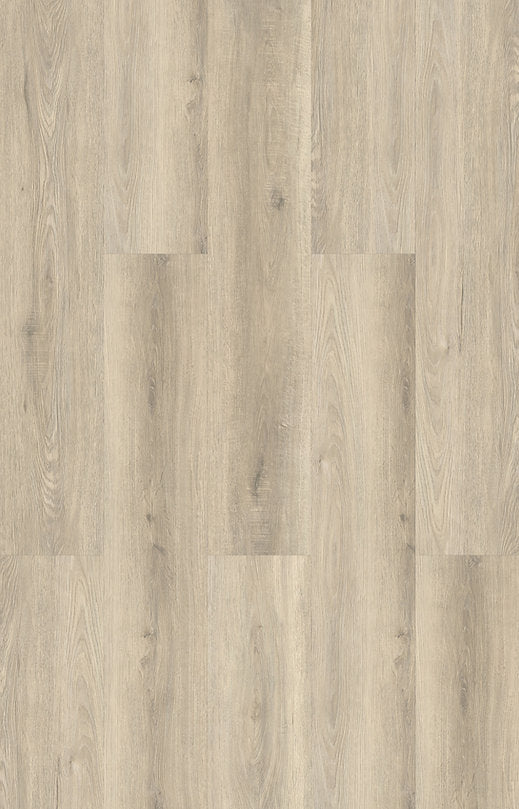
Peel-and-stick vinyl flooring comes with a pre-applied adhesive backing. Simply peel off the protective layer and press the plank onto the floor. This is a fast and clean method, ideal for small rooms and quick updates. It works well on smooth, clean surfaces and is beginner-friendly.
Credit: floorsetcoutlet.com
Design Ideas
Wooden vinyl flooring texture brings warmth and charm to any space. It mimics natural wood grains while offering durability and easy maintenance. Design ideas with this flooring can enhance your home’s style and comfort. Explore how wooden vinyl flooring fits perfectly in different rooms.
Open Concept Living Areas
Wooden vinyl flooring creates a seamless look in open spaces. Its natural texture unifies living and dining zones. Choose light tones for a bright, airy feel. Darker hues add depth and a cozy mood. Use rugs to define seating areas without breaking flow.
Cozy Bedrooms
This flooring adds softness and warmth to bedrooms. Pair it with neutral walls for a calm vibe. Layer with plush rugs for extra comfort. The wood texture brings nature indoors, making the room inviting. It also stands up well to daily wear and tear.
Stylish Kitchens And Bathrooms
Wooden vinyl flooring suits kitchens and bathrooms perfectly. It resists moisture and stains better than real wood. Choose textured finishes to prevent slips on wet floors. The flooring’s natural look warms these often-cold spaces. Match with modern cabinetry for a fresh, stylish design.
Comparing Wood And Vinyl Flooring
Choosing the right flooring is key to the look and feel of any room. Wood and vinyl are popular options, each with unique traits. Understanding their differences helps make a smart choice. This section compares wood and vinyl flooring on three important aspects: cost, appearance, and longevity.
Cost Differences
Wood flooring usually costs more upfront. It requires special tools and skilled labor for installation. Vinyl flooring is cheaper and easier to install. You can often do it yourself. Maintenance costs for wood can also be higher due to refinishing. Vinyl needs little upkeep, saving money over time.
Appearance And Feel
Wood floors offer a natural, warm look with unique grain patterns. The texture feels solid and smooth underfoot. Vinyl flooring can mimic wood’s appearance well. Modern vinyl has textures that feel close to wood. It is softer and warmer than tile or laminate but less natural than real wood.
Longevity And Wear
Wood floors can last decades with care. They can be sanded and refinished to remove scratches. Vinyl is durable and resists stains and moisture. It is ideal for high-traffic or wet areas. However, vinyl may show wear and need replacement sooner than wood.
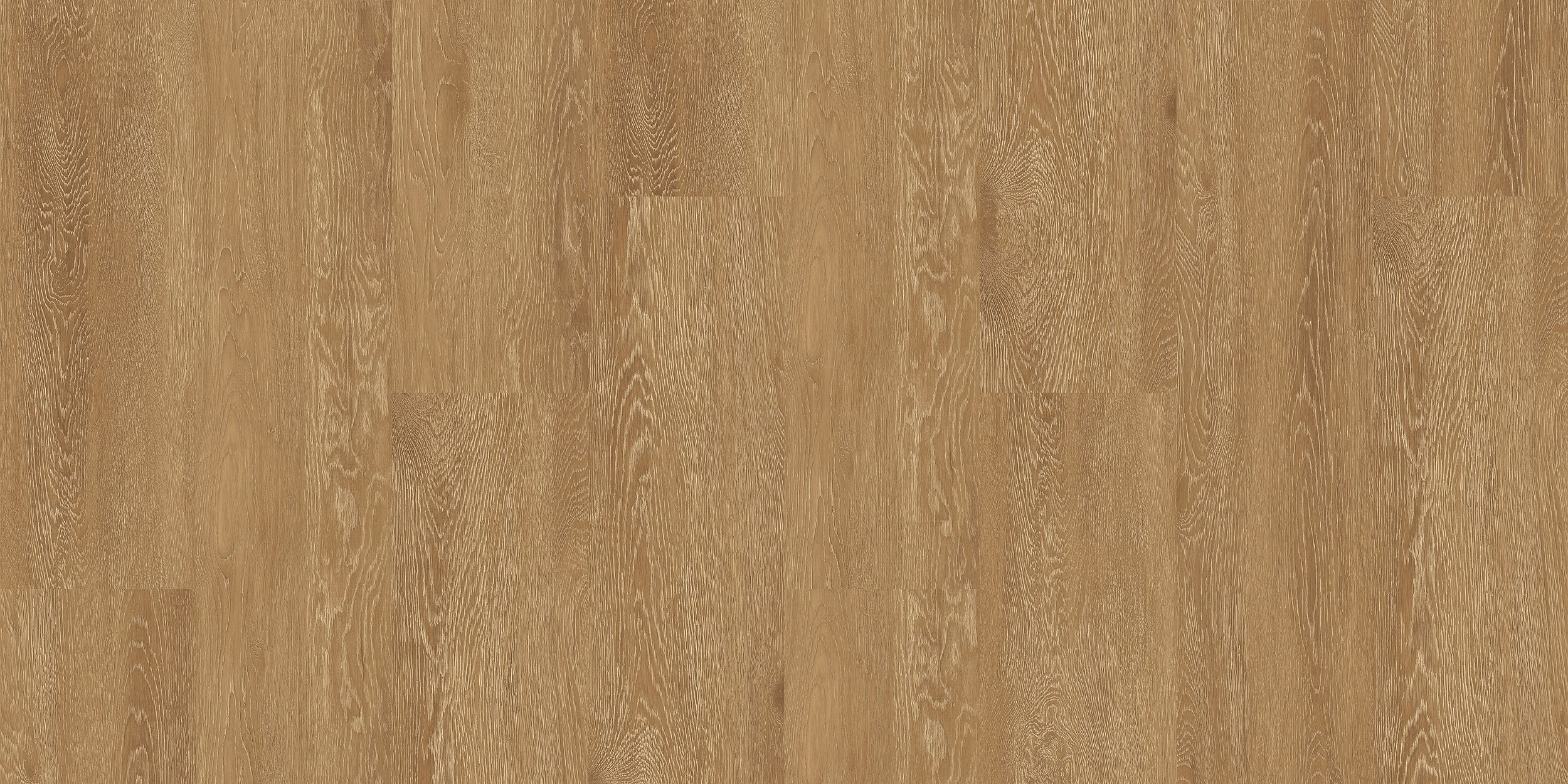
Credit: shop.interface.com
Popular Brands And Products
Wooden vinyl flooring texture offers a blend of style and durability. Many brands provide a range of options to fit different budgets and tastes. Popular brands focus on realistic wood looks and easy installation. They also offer durable products that resist scratches and wear. This section highlights some well-known brands and their top products.
Top-selling Vinyl Flooring
Karndean Designflooring is a leader in vinyl flooring with wood textures. Their planks mimic natural wood grains closely. Floor & Decor offers a wide selection of vinyl wood flooring at affordable prices. Lowe’s features wood-look vinyl plank flooring with varied finishes. These brands have strong reputations for quality and style.
Innovative Textures
Interface creates textured woodgrain vinyl floors that add depth. Their products use embossed surfaces to simulate real wood feel. Karndean also develops unique textures that replicate hand-scraped or distressed wood. These innovations make floors look authentic and inviting. Textured vinyl adds comfort and reduces slips indoors.
Eco-friendly Options
Many brands now offer environmentally friendly vinyl flooring. Karndean uses recycled materials in some collections. Interface emphasizes sustainability with low-VOC and recyclable products. These options reduce environmental impact without sacrificing style. Choosing eco-friendly vinyl supports greener home design.
Maintaining Wooden Vinyl Floors
Wooden vinyl floors combine the beauty of wood with the durability of vinyl. Proper care keeps these floors looking fresh and extends their lifespan. Maintaining wooden vinyl floors requires simple but consistent steps. This section covers cleaning, scratch prevention, and repair tips.
Cleaning Tips
Use a soft broom or vacuum to remove dust daily. Mop the floor with a damp cloth and mild cleaner. Avoid soaking the floor with water. Harsh chemicals can damage the vinyl surface. Dry the floor quickly to prevent moisture buildup. Regular cleaning stops dirt from scratching the texture.
Preventing Scratches
Place felt pads under furniture legs to protect the floor. Avoid dragging heavy items across the floor. Keep pet nails trimmed to reduce scratches. Use rugs in high-traffic areas to shield the surface. Clean spills immediately to prevent stains and damage. These small actions keep your floor looking new.
Repairing Damages
Minor scratches can be fixed with vinyl floor repair kits. Match the color carefully for the best results. For deeper gouges, consider replacing the damaged plank. Consult a flooring professional for complex repairs. Acting quickly limits further damage and saves costs. Proper repair keeps the floor smooth and safe.
Frequently Asked Questions
Does Vinyl Plank Flooring Have Texture?
Yes, vinyl plank flooring often features textured surfaces that mimic real wood grain or stone patterns. This texture enhances its realistic look and provides better grip. Textured vinyl planks add depth and style, making them a popular choice for durable, attractive flooring solutions.
Can Vinyl Floors Look Like Wood?
Vinyl floors can closely mimic wood’s texture and grain with realistic designs. They offer wood’s look with added durability and moisture resistance.
What Are The Downsides Of Vinyl Plank Flooring?
Vinyl plank flooring can dent or scratch easily. It may fade under direct sunlight. Some types emit VOCs. It lacks the warmth of real wood. Installation over uneven surfaces can cause issues.
What Type Of Flooring Looks Like Wood But Isn’t?
Luxury vinyl plank (LVP) and laminate flooring mimic wood’s appearance without using real wood. Both offer durability and easy maintenance.
Conclusion
Wooden vinyl flooring texture adds warmth and style to any room. It offers durability while mimicking real wood’s natural look. Easy to clean and maintain, it suits busy homes well. This flooring type balances beauty with practicality seamlessly. Choose wooden vinyl flooring for a timeless, inviting space.