
Are you looking to add a natural, warm touch to your design or digital project? A seamless wooden floor texture might be exactly what you need.
Imagine a surface where the rich grains and subtle tones of wood flow continuously without any visible breaks or edges. This kind of texture not only brings authenticity but also enhances the visual appeal of your work. Whether you’re designing a virtual room, creating a background, or working on architectural visualization, having access to high-quality seamless wooden floor textures can make a huge difference.
Keep reading to discover how these textures can elevate your creations and where you can find the best options for your next project.
Seamless Wood Floor Textures
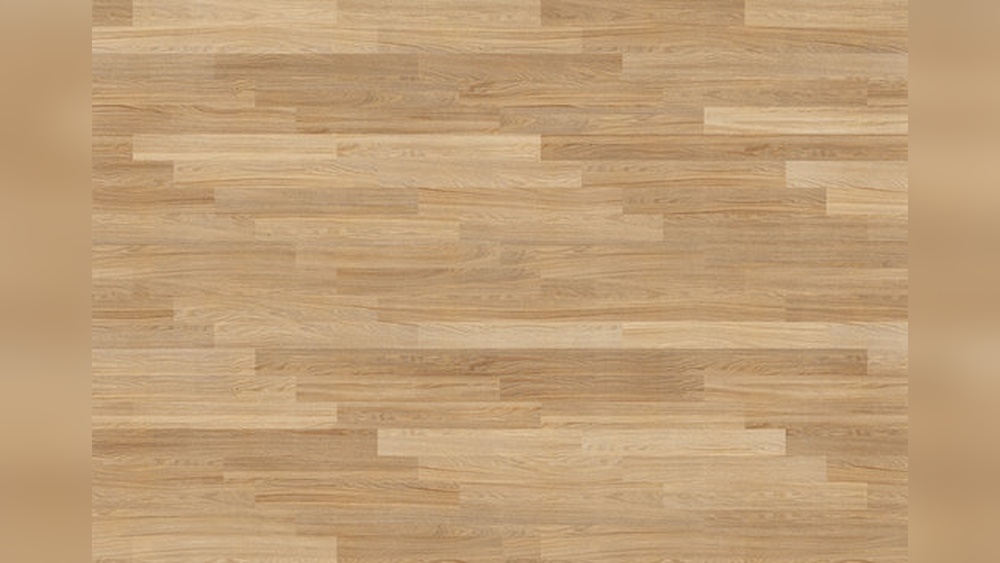
Seamless wood floor textures create a smooth, continuous look without visible edges. These textures help designers and homeowners visualize wooden floors with natural flow. They are perfect for digital designs, 3D models, and virtual rooms. The seamless aspect means the pattern repeats without breaks, giving a realistic effect. This section explores the benefits, common wood types, and quality factors of seamless wood floor textures.
Benefits Of Seamless Designs
Seamless designs eliminate visible joins in the texture. This creates a natural, flowing appearance. They save time by allowing infinite repetition in projects. Designers avoid alignment issues that break immersion. Seamless textures improve realism in digital renderings. They work well in animations and virtual tours. These designs also reduce file sizes by reusing patterns. Overall, seamless textures enhance visual quality and efficiency.
Common Wood Types For Flooring
Oak is popular for its durability and warm tones. Maple offers a smooth grain and light color. Walnut features rich, dark hues and fine texture. Cherry wood adds reddish shades and elegance. Pine is affordable with a rustic look. Each wood type brings unique patterns and colors. Choosing the right wood type depends on style and budget. These common woods suit various design themes effectively.
Texture Resolution And Quality
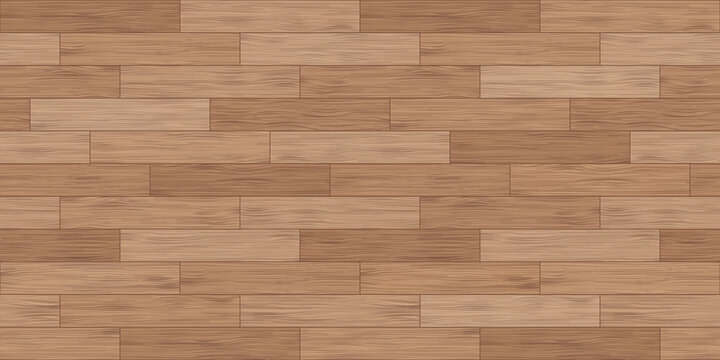
High resolution textures provide sharp, clear details. Low resolution may look blurry or pixelated. Quality textures capture wood grain and knots accurately. Realistic lighting and shadows enhance depth perception. Textures with consistent color balance appear more natural. Using 4K or higher resolution is ideal for close-up views. Quality seamless textures improve overall project appearance and realism.
Credit: stock.adobe.com
Popular Wood Patterns
Wood floor textures create warmth and character in any space. Popular wood patterns bring unique styles to floors. These patterns fit various room designs and tastes. Choosing the right pattern helps highlight the natural beauty of wood.
Herringbone And Chevron
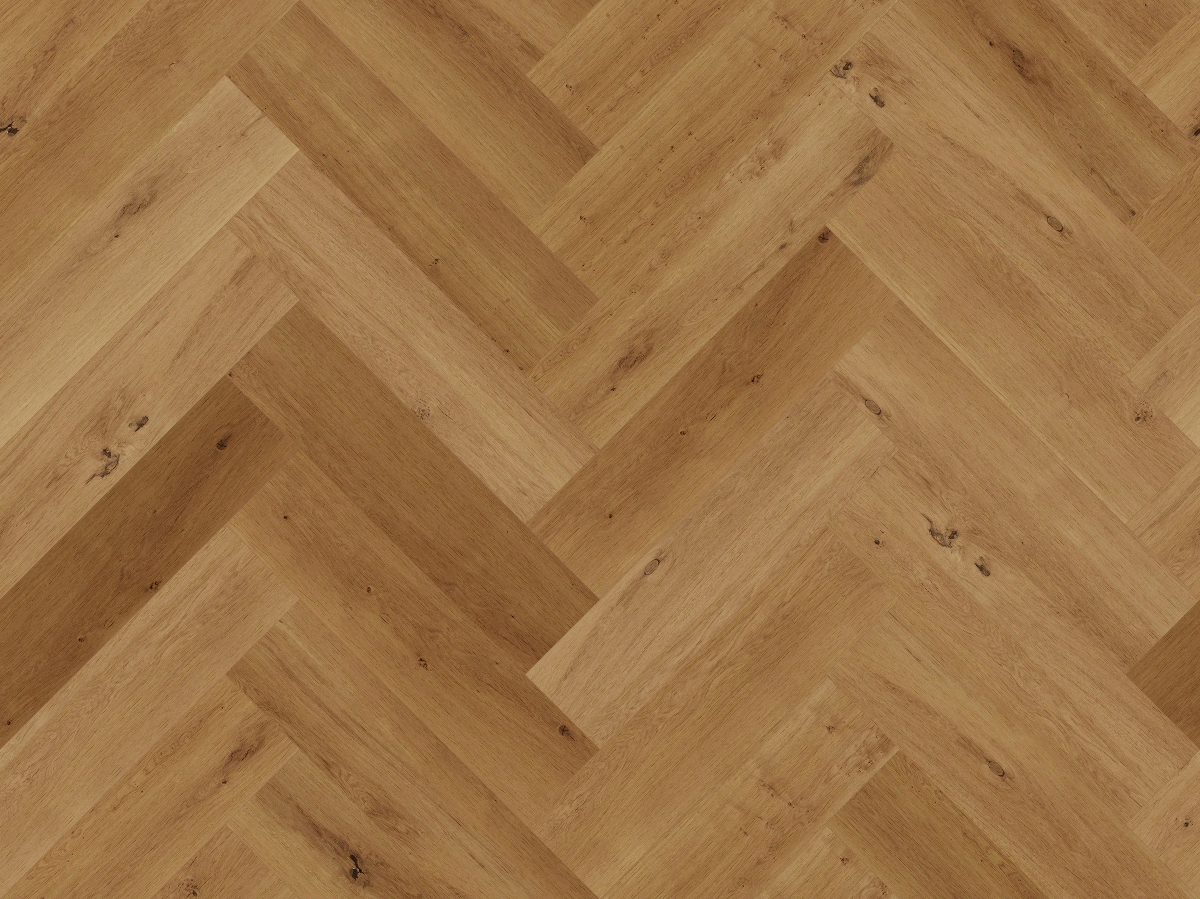
Herringbone features rectangular planks arranged in a zigzag pattern. Each plank meets at a right angle, forming a broken zigzag look. This pattern adds movement and depth to floors. Chevron is similar but planks cut at an angle. They form a continuous V shape. Both styles suit classic and modern homes well.
Parquet Styles
Parquet uses small pieces of wood to create geometric patterns. Squares, triangles, and other shapes form intricate designs. This style offers a rich, decorative look. Parquet floors bring elegance and sophistication to rooms. They work well in formal spaces like dining rooms.
Straight Plank Layouts
Straight plank layouts use long, parallel boards. They highlight the wood’s natural grain and color. This simple style suits many decors and rooms. Straight planks create a clean and timeless appearance. Easy to install and maintain, they remain popular across homes.
Choosing The Right Texture
Choosing the right wooden floor texture sets the tone for your entire space. It affects the room’s mood, style, and warmth. A seamless wood floor texture adds smoothness and continuity to any area. Picking the perfect texture requires understanding your style and needs. Consider how the texture works with your interior design. Think about the color and finish that suit your lifestyle. These factors help you select the best wooden floor texture for your home or office.
Matching Interior Styles
Wood textures complement different interior styles in unique ways. Rustic spaces benefit from rough, natural grains. Modern rooms suit sleek, uniform textures. Classic interiors pair well with traditional oak or maple patterns. Seamless wood textures blend with minimalist designs easily. Choose a texture that echoes your room’s theme. The right texture enhances your décor without overpowering it.
Light Vs Dark Wood Tones
Light wood tones brighten and enlarge small spaces. They create an airy, fresh atmosphere. Dark tones add depth and richness to large rooms. They give a cozy, warm feeling. Consider your room’s size and lighting. Lighter floors suit rooms with less natural light. Dark floors work best in well-lit areas. Balance the tone with your furniture and walls.
Texture And Finish Options
Wood floor textures vary from smooth to distressed. Smooth finishes offer a polished, modern look. Distressed textures add character and rustic charm. Matte finishes hide scratches better than glossy ones. Glossy finishes reflect light and add shine. Choose finishes based on durability and style. A seamless texture with the right finish improves your space’s appeal.
Designing With Seamless Wood Floors
Designing with seamless wood floors offers a smooth and natural look. These floors create a clean, continuous surface that enhances any room. The texture of wood adds warmth and character without breaks or visible joints. This design style suits modern and traditional interiors alike. It allows for more creative freedom in arranging furniture and decor. Understanding how to use seamless wood floors can improve space flow and appeal.
Creating Visual Continuity
Seamless wood floors help blend spaces together visually. This creates a sense of openness and unity. Using the same wood texture throughout connects different rooms. It reduces clutter and distractions on the floor. The eye moves smoothly from one area to another. This effect makes small spaces feel larger and more inviting. Visual continuity also supports minimalist design styles well.
Combining Wood With Other Materials
Wood floors pair well with many materials. Stone, metal, and glass add contrast and interest. The seamless texture of wood balances rough or shiny surfaces. Use wood to soften cold materials like concrete or steel. Mixing textures creates depth without overwhelming the space. Keep colors natural and harmonious for the best effect. This combination adds style and personality to rooms.
Using Texture For Space Definition
Texture can define areas without walls or barriers. Seamless wood floors help mark zones by changing patterns or grain direction. This subtle shift guides movement and function. For example, a different wood texture can separate dining from living spaces. Texture also adds tactile interest underfoot. It helps create cozy corners or highlight focal points. Using texture smartly improves room flow and usability.
Sources For High-quality Textures
Finding high-quality wooden floor texture seamless images is key for realistic designs. Reliable sources provide clear, detailed textures. These textures improve visual appeal and save time in projects. Choose textures that fit your style and project needs.
Stock Photo Libraries
Stock photo libraries offer a wide range of wooden floor textures. These images come in high resolution and seamless formats. Examples include Adobe Stock, Shutterstock, and iStock. They provide royalty-free options for commercial use. Search by keywords like “wooden floor seamless texture” to find suitable images.
Free Texture Resources
Many websites offer free wooden floor textures without cost. Freepik and Poly Haven provide quality seamless wood textures. These textures are available for download with few restrictions. They help users who have a limited budget. Always check the license before using for commercial projects.
Custom Texture Creation Tools
Custom texture tools allow creating unique wooden floor textures. Software like Photoshop or Blender helps design seamless textures. These tools offer control over color, grain, and pattern. Users can tailor textures to fit specific project requirements. Tutorials online guide beginners through the process.
Credit: architextures.org
Implementing Textures In Interior Projects
Wooden floor textures add depth and warmth to interior spaces. They create a natural feel that enhances any room. Using seamless wood floor textures helps maintain consistency in design visuals. Implementing these textures correctly can elevate the overall look and feel of a project.
Applying wooden textures in interior projects requires careful planning. The texture should match the style and mood of the space. Choosing the right technique for rendering and installation is essential. Maintaining the wood floor’s appearance ensures long-lasting beauty and durability.
Digital Rendering Techniques
Digital rendering allows designers to preview wooden floor textures in 3D spaces. It helps visualize how textures interact with lighting and furniture. Seamless textures ensure smooth, repeating patterns without visible edges. High-quality textures improve realism and client presentation. Software like SketchUp and Blender support seamless wood texture mapping. Adjusting texture scale and orientation creates unique floor designs.
Flooring Installation Tips
Prepare the subfloor properly before laying wooden floors. Ensure it is clean, dry, and level for best results. Use spacers to keep consistent gaps between planks. Align planks carefully to maintain seamless texture flow. Choose the right adhesive or nails based on wood type. Allow wood to acclimate to room temperature before installation. This reduces the risk of warping or gaps.
Maintaining Wood Floor Appearance
Regular cleaning prevents dirt buildup on wooden floors. Use gentle cleaners to avoid damaging the wood surface. Place mats at entry points to reduce grit and moisture. Avoid harsh chemicals that strip the wood finish. Periodic polishing restores shine and protects texture. Address scratches and dents promptly with repair kits. Proper maintenance preserves the natural look of seamless wood textures.
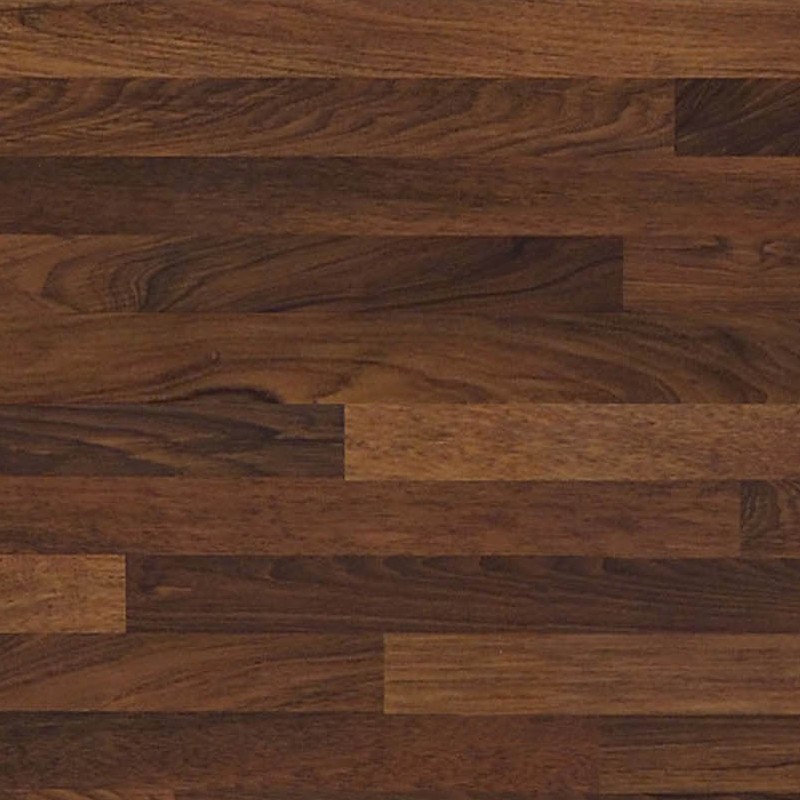
Credit: www.sketchuptextureclub.com
Frequently Asked Questions
What Is Seamless Wooden Floor Texture?
Seamless wooden floor texture is a repeating wood pattern with no visible edges. It creates a smooth, continuous surface ideal for digital designs and 3D modeling. This texture enhances realism in visual projects like architectural renders and games.
How To Use Seamless Wood Floor Textures?
You can apply seamless wood floor textures in graphic design, video games, and 3D rendering. They help create realistic floor surfaces without visible tiling. Simply tile the texture in your software for a uniform wooden floor appearance.
Where To Find High-quality Wood Floor Textures?
High-quality wood floor textures are available on platforms like Adobe Stock, Freepik, and SketchUp Texture Club. These sites offer seamless, royalty-free images suitable for commercial and personal projects. Always check usage rights before downloading.
Why Choose Seamless Textures For Wooden Floors?
Seamless textures avoid visible repetition lines, making wooden floors look natural and continuous. This improves visual appeal in digital projects. They save time by eliminating manual editing for pattern matching.
Conclusion
Wooden floor texture seamless designs add warmth and style to any space. They create a smooth, continuous look without visible breaks. Using these textures helps in visual projects and interior design easily. They offer natural beauty and a timeless appeal that fits many styles.
Choose patterns and colors to match your taste and needs. Seamless wood textures bring a cozy feel and enhance room aesthetics. They are simple to use and blend well with other materials. Explore different options to find the perfect wooden floor texture seamless for your project.