Imagine stepping out of your shower and reaching straight into your closet without leaving the bathroom. Sounds convenient, right?
If you’ve ever dreamed of combining your closet and bathroom into one smart, stylish space, you’re not alone. But is a closet in bathroom design truly practical? How do you keep your clothes fresh and your space free from moisture?
You’ll discover clever ideas and expert tips that make integrating a closet within your bathroom both functional and beautiful. Ready to transform your daily routine and maximize your home’s layout? Let’s dive into everything you need to know about closet in bathroom design.

Credit: www.robern.com
Bathroom Closet Types
Bathroom closets come in various designs and serve different purposes. Choosing the right type depends on space, privacy, and functionality. Each closet type adds a unique element to bathroom design. Understanding these types helps create a practical and stylish space.
Water Closet Explained
A water closet, often called a WC, is a small room with only a toilet. It offers privacy and separates the toilet from the rest of the bathroom. This design reduces noise and improves hygiene. Water closets are common in modern homes and public places.
Walk-in Wardrobe Integration
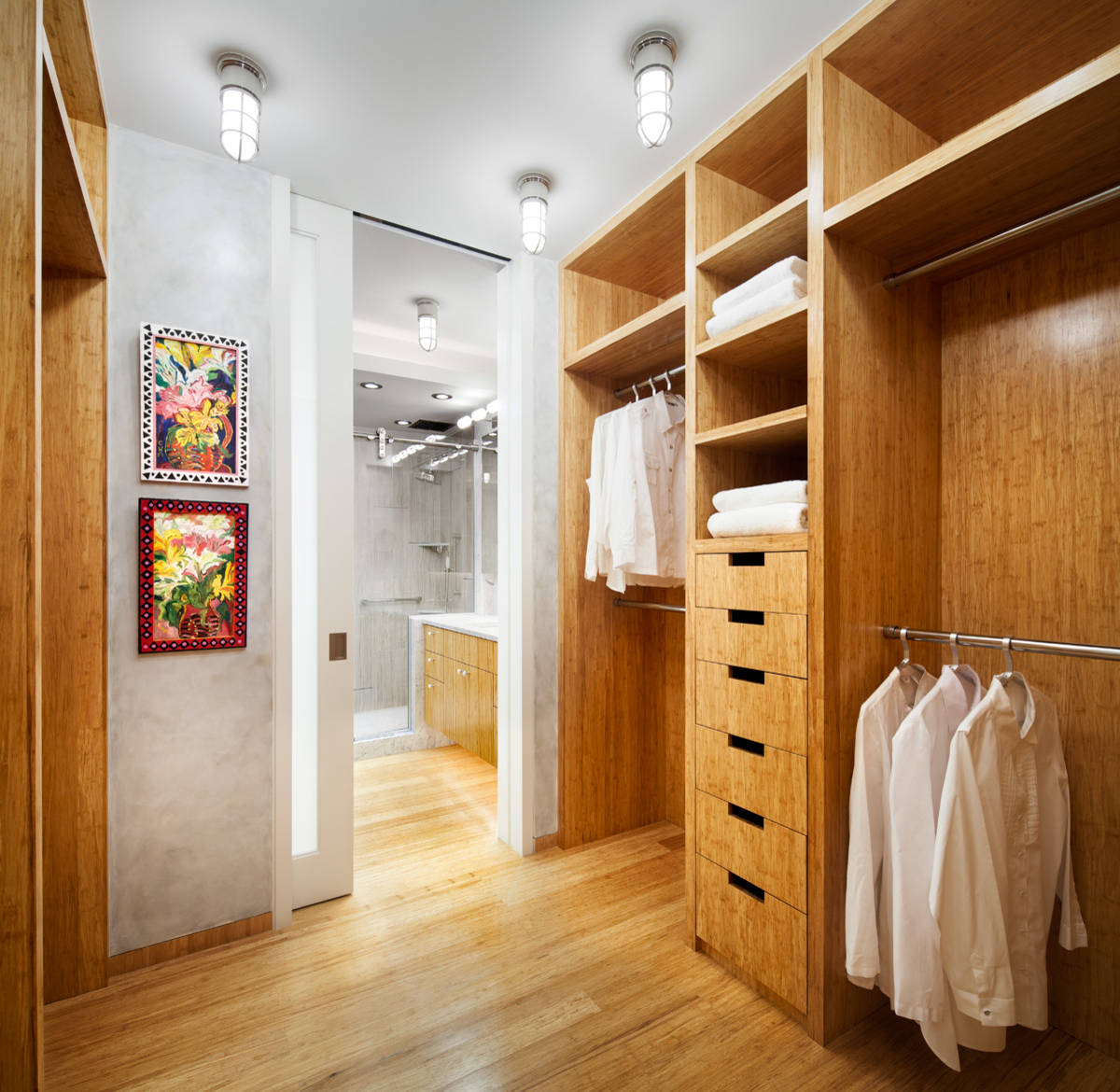
Some bathrooms include a walk-in wardrobe inside or next to them. This design combines storage for clothes and bathroom functions. It saves space and allows easy access to clothing after showering. Proper ventilation is important to avoid humidity damage to clothes.
Toilet Room Variations
Toilet rooms vary by size and layout but focus on privacy. Some have a door within the bathroom, while others are separate rooms. This setup helps keep the bathroom tidy and organized. Different styles fit different home designs and personal preferences.
Design Benefits
Designing a closet in the bathroom requires smart layout ideas. The flow between spaces, separation, and storage options shape the room’s comfort and function. Thoughtful planning helps blend style with everyday ease. Below are key layout ideas to consider for your bathroom closet design.
Bathroom To Closet Flow
Creating a smooth path from bathroom to closet saves time and effort. Position the closet near the bathroom exit for quick access. Avoid long hallways or doors that block light. Open layouts encourage natural movement and make spaces feel larger. Consider sliding doors or wide openings to keep the flow seamless.
Separate Vs. Combined Spaces
Decide if the closet will be a standalone room or part of the bathroom. Separate closets reduce moisture exposure and keep clothes fresh. Combined spaces save square footage and create a cozy, integrated area. Use partitions or frosted glass to define zones without closing off light. Ventilation is crucial in combined layouts to control humidity.
Custom Storage Designs
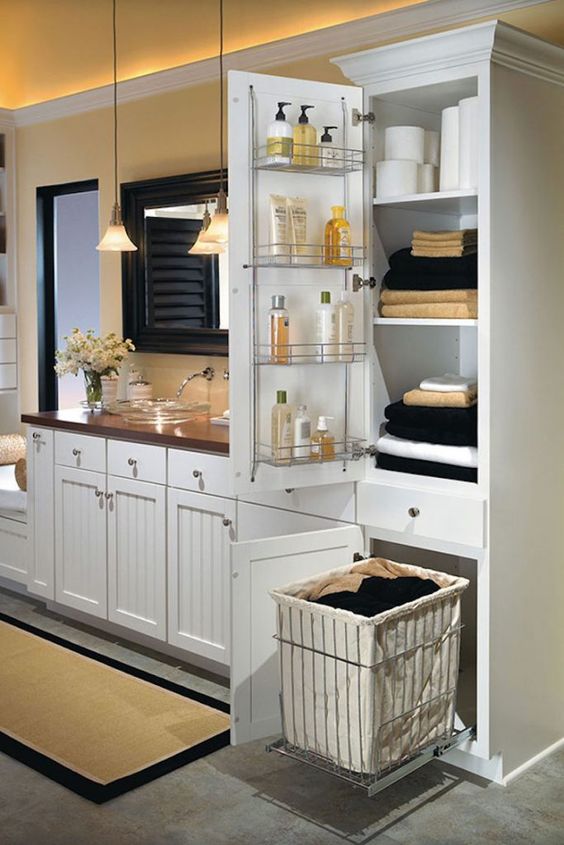
Tailor storage to match your clothes and bathroom needs. Include shelves, drawers, and hanging rods for different items. Use moisture-resistant materials to protect belongings. Built-in cabinets maximize space and keep clutter hidden. Add mirrors and lighting inside the closet for easy dressing and grooming.
Style Inspirations
Adding a closet in the bathroom can be useful but brings several challenges. Moisture, space, and upkeep need careful thought. These issues affect the closet’s durability and your comfort.
Understanding these common problems helps create a better bathroom closet design. Plan ahead to avoid damage and keep the space functional.
Mold Prevention
Bathrooms are moist places, perfect for mold growth. Closets in bathrooms need good ventilation. Use moisture-resistant materials for shelves and walls. Keep the closet door open sometimes to allow air flow. A dehumidifier helps reduce humidity. Regular cleaning stops mold from spreading.
Maintenance Tips
Closets in bathrooms need frequent checks. Wipe shelves and walls with a dry cloth. Avoid storing damp clothes or towels inside. Use sealed containers to protect items from moisture. Check for leaks or water damage often. Fix issues quickly to avoid bigger problems.
Space Limitations
Bathroom closets often have less space than regular closets. Use slim shelves and compact storage solutions. Hooks and hanging organizers save room. Design the closet to fit the available space well. Avoid overcrowding to keep items accessible. Small closets need smart layouts to work well.
Material Choices
Installing a closet in your bathroom requires careful planning. Proper setup ensures functionality and durability. Attention to key details helps avoid common issues. This section covers essential installation tips to guide your project smoothly.
Plumbing Considerations
Check water lines and drainage near the closet area. Avoid placing closets where plumbing might interfere. Use moisture-resistant materials to prevent water damage. Ensure vents and pipes do not block closet space. Plan for easy access to plumbing for future repairs.
Lighting Solutions
Good lighting improves closet usability. Install bright, soft lights to avoid harsh shadows. Consider motion sensors for energy savings. Use LED bulbs to reduce heat and power use. Position lights to highlight shelves and hanging areas clearly.
Professional Vs. Diy
Assess your skills before starting installation. Professionals bring expertise and can handle complex plumbing tasks. DIY saves money but may risk errors without experience. Small projects like shelving can be DIY-friendly. For plumbing or electrical work, hire a licensed expert.
Humidity And Odor Control
Austin, Texas shows unique trends in bathroom closet design. Residents blend style and function perfectly. Space-saving ideas suit modern living and local tastes.
Designers focus on practical, attractive solutions that fit Austin homes. These trends reflect the city’s creative spirit and warm climate. Here is a closer look at popular choices.
Local Design Preferences
Austin favors open, airy closet layouts inside bathrooms. Minimalist designs with clean lines dominate. Many homeowners choose integrated storage to keep items neat.
Neutral color palettes with soft pastels or earth tones are common. Rustic elements blend well with modern fixtures. Multi-purpose spaces that combine closet and vanity areas grow in popularity.
Popular Materials And Styles
Wood and metal mix for durability and style. Reclaimed wood adds a touch of nature and sustainability. Matte finishes and simple hardware maintain a sleek look.
Glass shelves and frosted doors create light, spacious feels. Textured tiles around closets add visual interest. Styles often mix modern and farmhouse elements to suit Austin’s vibe.
Regional Climate Impact
Austin’s warm, humid climate affects material choices. Moisture-resistant materials prevent mold and damage in bathroom closets. Proper ventilation is essential to keep clothes fresh.
Designs include dehumidifiers or fans in closet areas. Lightweight fabrics and breathable storage baskets help air flow. These practical solutions protect belongings from humidity issues.
Credit: vkbkitchenandbath.com
Credit: www.houzz.in
Frequently Asked Questions
Is It A Good Idea To Have A Closet In The Bathroom?
Having a closet in the bathroom is generally not ideal. High humidity can cause mold and damage clothes. Odors may also transfer, affecting freshness.
What Is A Closet In A Bathroom Called?
A closet in a bathroom that contains only a toilet is called a water closet (WC). It offers privacy within the bathroom. Other terms include toilet room or private library, referring to a small enclosed space for the toilet inside a larger bathroom.
Can You Have A Clothes Closet In A Bathroom?
You can have a clothes closet in a bathroom, but high humidity risks mold and odors. Proper ventilation is essential to protect clothes.
Is It Okay To Store Clothes In The Bathroom?
Storing clothes in the bathroom is not ideal. High humidity can cause mold and odors, damaging fabrics and reducing freshness.
Conclusion
Integrating a closet into a bathroom can save space and add convenience. Choose materials that resist moisture to keep clothes fresh. Proper ventilation helps prevent mold and dampness. Thoughtful design balances storage needs with bathroom functionality. Small adjustments can create a stylish and practical area.
This design suits modern homes with limited space. A well-planned closet in the bathroom enhances daily routines. Consider your lifestyle to make the best choice.