
Step into the charm of the 1940s bathroom design—a style that blends timeless elegance with simple, practical touches. If you’re looking to refresh your bathroom with a unique vintage vibe, understanding the key elements from this era can transform your space into a cozy retreat.
Imagine soft pastel colors, classic tile patterns, and fixtures that tell a story. You’ll discover how to capture that nostalgic feel while making it work for your modern lifestyle. Ready to unlock the secrets of 1940s bathroom style and give your home a memorable makeover?
Let’s dive in.
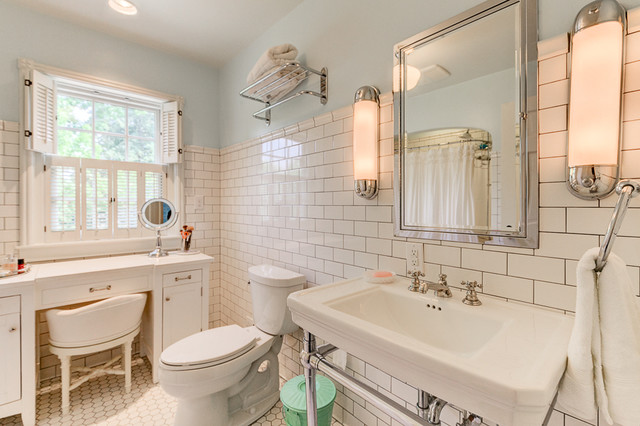
Credit: www.houzz.com
Key Features Of 1940s Bathrooms
Bathrooms in the 1940s reflected a mix of comfort and style. They balanced practical needs with soft, inviting aesthetics. This era’s bathroom designs focused on simplicity and timeless appeal. Below are some key features that defined bathrooms in the 1940s.
Classic Color Schemes
Colors in 1940s bathrooms were soft and muted. Pastel shades like pale pink, mint green, and baby blue were popular choices. Creamy whites and soft grays also created a calm atmosphere. These colors made small bathrooms feel bright and fresh. The gentle tones gave a soothing, clean look.
Popular Materials And Fixtures
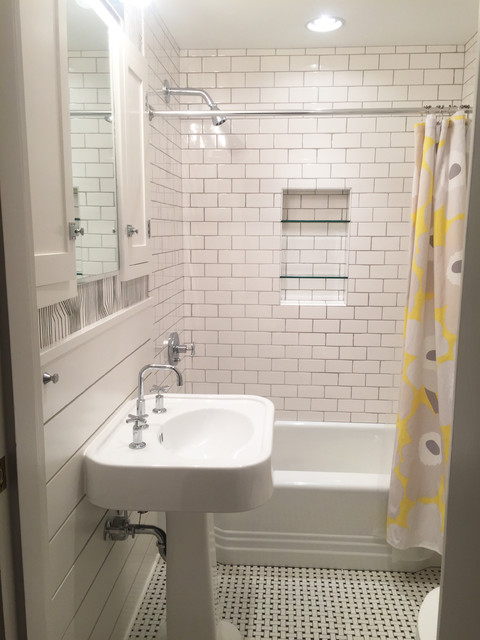
Porcelain sinks and bathtubs were common in 1940s bathrooms. Chrome fixtures added a sleek, shiny touch. Fixtures often had simple, rounded shapes for ease of use. Wooden cabinets with painted finishes provided storage. Glass shelves and mirrored medicine cabinets enhanced the space.
Tile Patterns And Designs
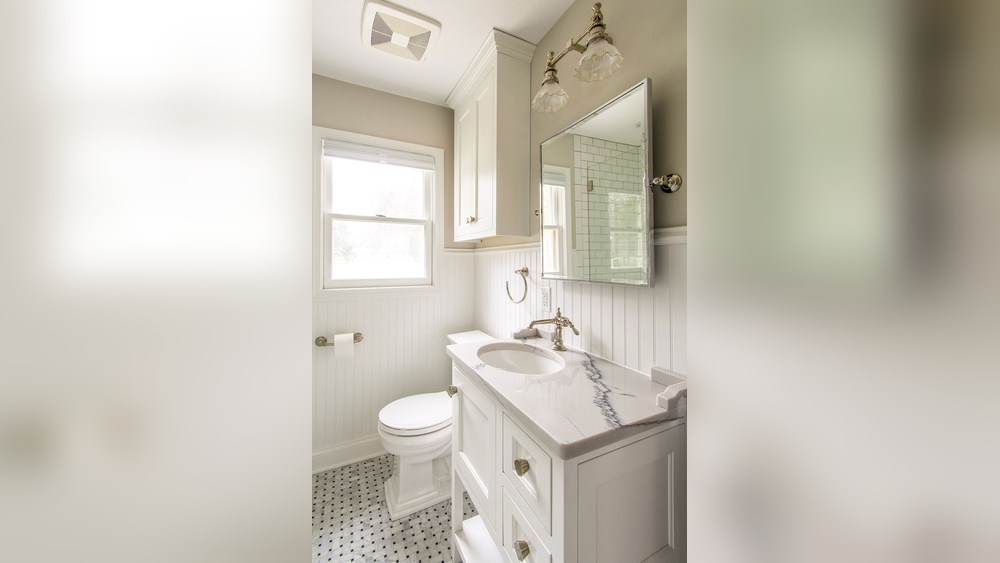
Tiles in the 1940s featured classic patterns and colors. Small square tiles in white or pastels covered floors and walls. Black and white checkerboard floors were a stylish choice. Geometric designs like diamonds and starbursts added subtle interest. Glossy tiles reflected light, brightening the room.
Vintage Fixtures And Fittings
Vintage fixtures and fittings from the 1940s bring timeless charm to any bathroom. These elements blend style and function in a simple, elegant way. They reflect the design trends of that era, emphasizing quality and classic beauty.
Choosing vintage pieces creates a warm, inviting atmosphere. It also adds character and nostalgia to modern spaces. Let’s explore some key fixtures that define 1940s bathroom design.
Freestanding Bathtubs
Freestanding bathtubs were a centerpiece in 1940s bathrooms. They offer a bold, elegant look that stands apart from built-in tubs. Often made from cast iron and coated with smooth porcelain, these tubs feel sturdy and luxurious.
The clawfoot style is especially popular, with curved feet that lift the tub off the floor. This design adds a vintage flair and a sense of spaciousness to the room. Freestanding tubs invite relaxation and become a focal point of the bathroom.
Pedestal Sinks
Pedestal sinks were a common choice in the 1940s for their sleek and compact design. They take up less space while maintaining a graceful profile. These sinks usually have a wide basin supported by a single column.
The simplicity of pedestal sinks fits well in both small and large bathrooms. They provide easy access to plumbing and create a clean, open feel. Their classic shape complements vintage and modern decor alike.
Chrome And Porcelain Details
Chrome and porcelain were widely used for bathroom fixtures in the 1940s. Chrome added a shiny, polished finish to faucets, towel racks, and light fixtures. It gave the space a fresh, clean appearance.
Porcelain appeared in sinks, bathtubs, and toilet tanks. Its smooth, white surface was easy to clean and resistant to stains. Together, chrome and porcelain details create a crisp, timeless look that defines vintage bathrooms.
Art Deco Influences
The 1940s bathroom design often reflects the charm of Art Deco style. This design style is known for its bold shapes and rich details. Art Deco brought elegance and modernity to bathrooms of that era. It combined function with beauty in every corner.
Art Deco influences in bathrooms show through patterns, shapes, and lighting. These elements create a unique and stylish atmosphere. The style uses geometric designs and glamorous touches to make the space stand out. Bathrooms from this time feel both classic and fresh.
Geometric Patterns
Geometric patterns are a key feature of Art Deco design. Bathrooms used tiles with clean lines and sharp angles. Diamonds, zigzags, and chevrons were common choices. These patterns added depth and energy to the walls and floors. They created a sense of order and rhythm in the space.
Using black and white or contrasting colors made the patterns pop. The repetition of shapes gave the bathroom a polished, balanced look. Such designs gave an artistic flair without overwhelming the room.
Starbursts And Fan Shapes
Starbursts and fan shapes are iconic Art Deco motifs. These designs often appeared in wall tiles and mirrors. The starburst symbolizes luxury and movement. Fan shapes added softness and flow to the strong geometric lines.
These patterns brought a decorative touch to the bathroom’s surfaces. They helped break the monotony of plain walls and floors. The shapes created a dynamic visual appeal that defined the style.
Stylish Lighting Options
Lighting in 1940s bathrooms featured sleek, stylish fixtures. Chrome and glass were popular materials. Wall sconces and ceiling lights often had geometric or stepped designs.
Lighting emphasized the room’s shapes and details. It created a warm, inviting glow that highlighted the Art Deco features. Good lighting made the bathroom feel both glamorous and practical.
Layout And Space Planning
The layout and space planning of 1940s bathroom design reflect a blend of practicality and charm. Bathrooms from this era focus on efficient use of space without sacrificing style. Careful placement of fixtures creates a welcoming and functional environment.
Understanding the principles behind these layouts helps recreate the authentic look. Each element fits well within the room, making the best use of available space. This planning ensures comfort and ease of use.
Golden Rules For Bathroom Layouts
Bathrooms in the 1940s follow simple, clear rules. First, keep fixtures spaced for easy movement. Usually, the sink, toilet, and bathtub align along one wall. This arrangement saves space and improves flow.
Second, allow enough room in front of each fixture. A minimum of 21 inches in front of toilets and sinks is ideal. This space ensures comfort and avoids crowding.
Third, keep plumbing close to walls. This reduces construction costs and makes repairs easier. It also helps maintain the room’s neat appearance.
Maximizing Small Spaces
Many 1940s bathrooms are compact. Designers use clever tricks to make these small rooms feel larger. Light colors on walls and tiles brighten the space. Soft pastels like pale green, blue, or pink add charm.
Built-in shelves and medicine cabinets save floor space. They keep essentials organized and easy to reach. Corner sinks or wall-mounted fixtures free up room for movement.
Mirrors also expand the space visually. A large mirror above the sink reflects light and opens up the room. Simple, clean lines prevent the space from feeling cluttered.
Functional Flow
Bathrooms from the 1940s focus on smooth movement. Fixtures are placed for a logical sequence. First, the sink near the door allows quick hand washing. The toilet sits nearby but slightly separated for privacy.
The bathtub or shower is usually at the far end. This setup keeps wet areas contained. It also creates a calm, relaxing zone.
Good lighting is part of the flow. Soft, even light helps in grooming tasks. It also adds warmth and comfort to the room.
Color Palettes And Wall Treatments
The 1940s bathroom design embraced calm and inviting color palettes. Walls and tiles created a fresh and clean atmosphere. The era’s style focused on soft pastels, neutral tones, and elegant patterns. Wall treatments added charm and personality without overwhelming the space.
Soft Pastels And Neutrals
Bathrooms of the 1940s often featured soft pastel colors like pale pink, mint green, and light blue. These shades brought a gentle and soothing vibe. Neutral colors such as cream, beige, and soft gray balanced the pastels well. This combination made bathrooms feel airy and bright. The choice of colors reflected a desire for comfort and relaxation.
Wallpaper Trends
Wallpaper was a popular wall treatment in 1940s bathrooms. Floral prints and subtle geometric designs appeared frequently. Patterns often included starbursts, diamonds, and fan shapes. These designs added a touch of Art Deco elegance. Wallpapers were used on one or two walls to create a focal point. They complemented the pastel and neutral color schemes beautifully.
Tile Color Combinations
Tile colors in 1940s bathrooms were carefully chosen to match the walls. White tiles paired with pastel borders were common. Black and white checkered tiles created a classic look. Soft blue, pink, or green tiles added gentle color to floors and walls. The tiles often featured simple shapes and clean lines. These combinations kept the space fresh and timeless.
Credit: www.houzz.com
Flooring Choices
Flooring in 1940s bathrooms played a key role in defining the style and feel of the space. It combined patterns and materials that were both practical and visually appealing. The choices reflected the era’s love for geometric designs and durability. Homeowners favored floors that could handle moisture and daily use without losing charm.
Checkerboard Tiles
Checkerboard tiles were a popular flooring choice in 1940s bathrooms. These tiles often came in black and white or contrasting colors. The pattern created a bold, classic look that brightened the room. Checkerboard floors gave a sense of order and style to the space. They remain a timeless option that adds vintage charm to any bathroom.
Hexagonal Patterns
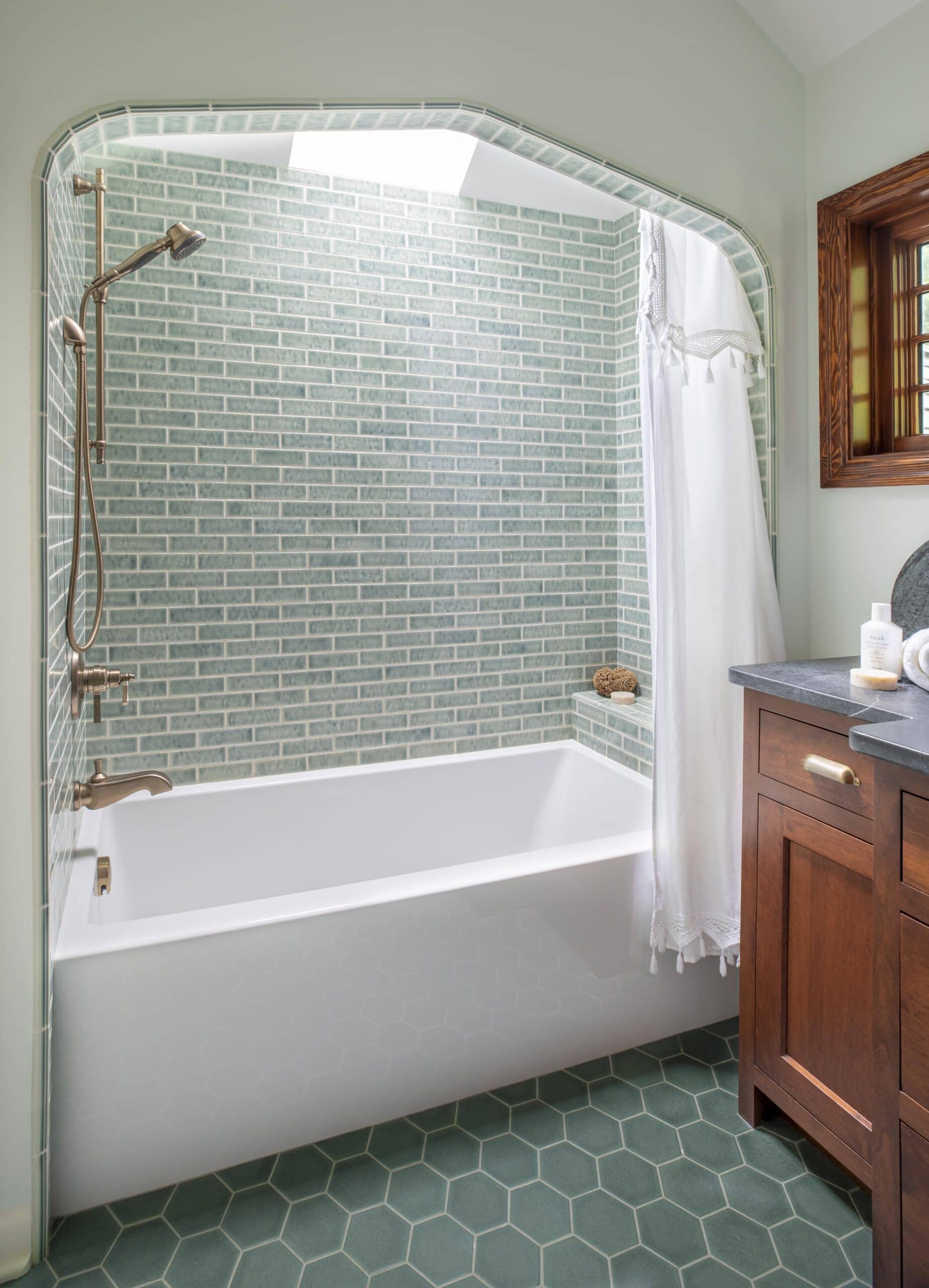
Hexagonal tile patterns brought a unique geometric style to 1940s bathrooms. These six-sided tiles created an eye-catching honeycomb effect. Hexagonal floors added texture and interest without overwhelming the room. This pattern was common in pastel shades, blending well with the era’s soft color palettes. Hex tiles offered a retro feel that suited both small and large bathrooms.
Durable Materials
Bathroom floors in the 1940s used materials designed for long-lasting wear. Porcelain and ceramic tiles were common for their water resistance and easy cleaning. Linoleum also gained popularity due to its affordability and durability. These materials handled moisture well and resisted stains. The focus was on floors that looked good and stood the test of time.
Accessories And Decor
Accessories and decor defined 1940s bathroom style. These elements created charm and function in small spaces. Each piece reflected the era’s elegance and practical needs. Simple yet stylish choices brought warmth to the bathroom.
Vintage Mirrors And Cabinets
Mirrors often featured rounded or beveled edges. Ornate frames in metal or wood were common. Medicine cabinets combined storage with mirror surfaces. These cabinets usually had a soft pastel paint finish. They added both beauty and useful space for essentials.
Period-appropriate Hardware
Hardware included faucets, towel bars, and drawer pulls. Chrome and nickel finishes were popular. Designs had smooth curves or geometric shapes. Porcelain knobs often complemented metal fixtures. These details enhanced the vintage look while staying functional.
Textiles And Rugs
Textiles added color and comfort to the bathroom floor. Cotton or wool rugs in simple patterns were typical. Small mats featured floral prints or stripes. Towels matched the soft pastel palette of the room. These textiles softened the space and completed the look.
Credit: www.craftsmandesign.com
Modern Adaptations Of 1940s Style
The 1940s bathroom style carries a distinct charm that many homeowners admire today. Modern adaptations bring this vintage look into present-day homes. They merge classic elements with today’s functionality and comfort. This blend creates a unique space that feels both nostalgic and fresh.
Designers focus on keeping the essence of the 1940s while improving usability. The result is a bathroom that honors the past yet meets modern needs. It offers elegance and style without sacrificing convenience.
Blending Vintage With Contemporary
Mixing vintage 1940s features with modern design creates balance. Classic tile patterns like black and white checkerboards pair well with sleek fixtures. Soft pastel wall colors can brighten the room while keeping a retro vibe. Modern lighting enhances vintage details and adds efficiency. Combining old and new provides a stylish yet practical bathroom.
Sourcing Authentic Fixtures
Finding original or reproduction fixtures is key. Porcelain sinks, clawfoot tubs, and chrome faucets define the 1940s look. Many specialty shops and online stores offer authentic vintage pieces. Using these fixtures preserves the bathroom’s historic charm. They also provide quality and durability from that era’s craftsmanship.
Maintaining Timeless Elegance
Timeless elegance comes from simplicity and quality materials. Clean lines, subtle colors, and classic shapes create a lasting appeal. Avoiding overly trendy elements keeps the style true to the 1940s. Small details like vintage-style mirrors and hardware add character. This approach ensures the bathroom remains beautiful for years.
Frequently Asked Questions
What Did Bathrooms Look Like In The 1940s?
Bathrooms in the 1940s featured pastel colors, geometric tile patterns, and built-in porcelain fixtures. They often had clawfoot tubs and pedestal sinks. Walls showed light greens, pinks, or blues. Designs reflected Art Deco influences with starbursts and stripes. Functionality combined with simple, elegant style.
What Was The Design Style In The 1940s?
The 1940s design style featured Art Deco geometric patterns, soft pastels, and functional, streamlined furniture with minimal ornamentation.
What Is The Golden Rule For Bathroom Layouts?
The golden rule for bathroom layouts ensures fixtures have enough space for comfort and accessibility. Maintain proper flow, clearances, and functional zones. Prioritize plumbing efficiency and natural light to enhance usability and aesthetics.
What Did 1920s Bathrooms Look Like?
1920s bathrooms featured pastel tiles, Art Deco patterns, pedestal sinks, clawfoot tubs, and chrome fixtures. Colors included soft greens, pinks, and blues. Geometric designs like diamonds and starbursts adorned walls and floors. These bathrooms balanced elegance with modern functionality, reflecting the era’s style trends.
Conclusion
The 1940s bathroom design offers timeless charm and simple elegance. Soft colors and geometric patterns create a calm, inviting space. Classic fixtures bring a sense of history and style. This design fits well in both vintage and modern homes. Embracing these ideas can add warmth and character to any bathroom.
A touch of the past makes your space feel unique and cozy. Consider these elements to refresh your bathroom with vintage flair.