
Is your home feeling cramped or cluttered? You’re not alone.
Finding smart ways to save space can transform your living area into a comfortable, organized haven without the need for expensive renovations or moving. Imagine having room to breathe, work, relax, and entertain—all within your current space. You’ll discover simple, effective space saving home design ideas that fit any style and budget.
Ready to unlock the hidden potential of your home and make every square foot count? Let’s dive in and create a space that truly works for you.

Credit: www.youtube.com
Small Footprint Designs
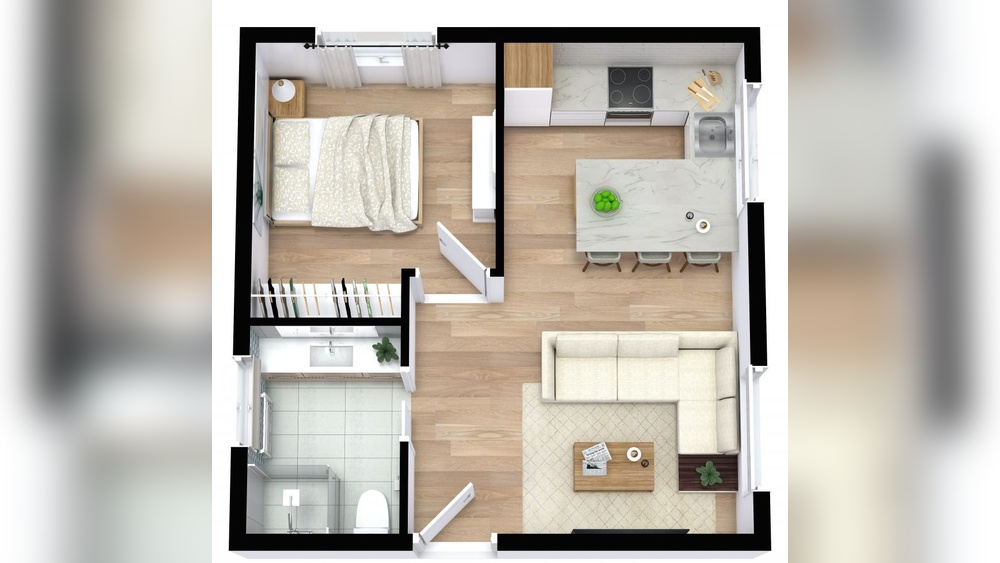
Small footprint designs focus on using less land and less space inside the home. These designs suit people who want to live simply and reduce clutter. They also help save money on construction and utility bills. Small footprint homes bring comfort without wasting space.
These homes are smart choices in crowded cities or areas with high land prices. They blend style and function in a compact size. Every square foot has a purpose.
Tiny Homes
Tiny homes are usually under 400 square feet. They offer all the basics like sleeping, cooking, and bathing areas. Smart storage and multi-use furniture make the space livable.
Many tiny homes are mobile. People can move them to different places easily. Building a tiny home costs less than a traditional house. These homes reduce waste and energy use.
Modular Homes
Modular homes are built in sections at a factory. Then, they are moved to the site and assembled. This method cuts construction time and lowers costs.
These homes come in many designs and sizes. They fit small footprints well and can be customized. The quality is high because the parts are made indoors, safe from weather.
Barndominiums
Barndominiums combine a barn structure with living space. They use metal or wood frames for strength and style. These homes are open and flexible inside.
Barndominiums save money by using simple building materials. They often have large rooms and high ceilings in a small footprint. These homes suit people who want rustic charm with modern comfort.
Multipurpose Furniture
Multipurpose furniture plays a key role in saving space at home. It combines several uses into one piece. This helps keep rooms neat and open. Choosing the right furniture can make small homes feel larger and more comfortable.
These smart designs fit well in tight spaces. They offer both function and style. Multipurpose furniture adapts to your needs, making daily life easier. It is ideal for apartments, tiny homes, or rooms with limited space.
Foldable Tables And Chairs
Foldable tables and chairs save space by collapsing flat. They can be stored in closets or against walls. Use them for meals, work, or hobbies. When folded, they free up floor space instantly. This furniture is lightweight and easy to move. It is perfect for small dining areas or home offices.
Sofa Beds And Murphy Beds
Sofa beds provide seating by day and a bed by night. They are great for guest rooms or studios. Murphy beds fold up into the wall. This clears the floor for other activities. Both types save space and add flexibility. They help maximize living areas without extra rooms.
Storage Ottomans
Storage ottomans combine seating and hidden storage. They keep blankets, toys, or books out of sight. These pieces are easy to move around. Use them as footrests, extra seats, or coffee tables. Storage ottomans reduce clutter and add function. They fit well in living rooms or bedrooms with limited space.
Built-in Storage Solutions
Built-in storage solutions make the most of every inch in your home. They keep spaces tidy and open. These solutions blend into the structure, saving floor space and reducing clutter. Clever built-ins add style and function without bulky furniture.
Understairs Storage
The area beneath stairs is often wasted. Custom cupboards or drawers fit perfectly here. This space can store shoes, books, or cleaning tools. It hides clutter and frees up other rooms. Understairs storage turns forgotten corners into practical spots.
Window Seat Storage
A window seat invites relaxation and extra storage. The bench can open to reveal a hidden compartment. Store blankets, toys, or seasonal items inside. This solution brightens rooms and adds cozy seating. Window seats combine comfort with smart storage.
Wall Niches And Shelves
Wall niches save space by using wall depth. These recessed shelves hold books, decorations, or small items. They keep surfaces clear and create visual interest. Wall shelves offer open storage without taking up floor area. Both niches and shelves make walls work harder.
Open Floor Plans
Open floor plans create a spacious feeling in small homes. They remove walls that separate rooms. This design merges different living areas into one large space. It helps maximize natural light and airflow. Open layouts make a home look bigger and feel more welcoming.
This style works well for families and entertaining guests. It allows easy movement and communication. Every part of the main living area stays connected. Open floor plans also offer more design flexibility. Furniture placement and room functions can change easily.
Combining Living And Dining Areas
Living and dining areas blend into one open space. This removes the need for extra walls and doors. It saves floor space and makes the home less cluttered. A single, larger room feels brighter and more inviting.
Use rugs or lighting to define each area. A comfortable seating spot sits near a dining table. This layout promotes socializing while cooking or relaxing. It suits small homes that need to make every square foot count.
Kitchen Islands With Storage
Kitchen islands add extra counter space and storage. They act as a central hub in an open floor plan. Cabinets, drawers, or shelves below keep kitchen items organized. This reduces the need for bulky cupboards elsewhere.
Islands also offer a place to eat or work. They create a natural divide without closing off the kitchen. This keeps the open feel but adds function. Choose compact, multi-use islands for maximum benefit.
Flexible Room Dividers
Flexible dividers separate spaces without permanent walls. Options include sliding panels, curtains, or folding screens. These tools allow rooms to change size and purpose easily.
Dividers provide privacy when needed. They keep the open plan adaptable for daily life. Use light materials to maintain brightness. This approach keeps the space feeling open and airy.
Vertical Space Utilization
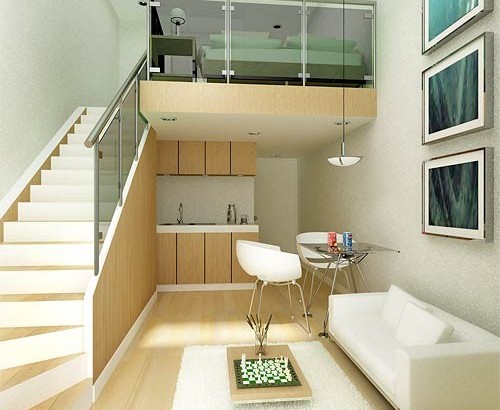
Using vertical space in home design helps save floor area. It creates room for living without clutter. Vertical space offers smart solutions for small homes. It uses the height of the walls and ceilings effectively.
Many homes have unused space above eye level. This space can hold storage, beds, or shelves. Using it well adds functionality and style to any room. Vertical space utilization is essential for compact living.
Lofted Bedrooms
Lofted bedrooms lift the bed off the floor. This design frees up space below for desks or storage. It works well in small rooms or studios. Lofted beds make the most of ceiling height. They create a cozy sleeping area with room underneath.
Tall Shelving Units
Tall shelves use wall height for storage. They hold books, decor, or kitchen items. Shelves that reach near the ceiling maximize space. Using vertical shelves keeps floors clear and rooms tidy. Choose sturdy shelves to handle weight safely.
Hanging Storage
Hanging storage uses hooks or racks from walls or ceilings. It stores pots, pans, or clothes without floor space. Hanging baskets or organizers keep items visible and easy to reach. This method is flexible for kitchens, closets, or entryways. Hanging storage adds charm and order to any room.
Compact Appliances
Compact appliances help save space in small homes. They fit perfectly in tight areas. These appliances offer the same functions as regular ones but take less room. Choosing compact models makes daily tasks easier without crowding your space. They blend well with modern, space-saving home designs.
Stackable Washer And Dryer
Stackable washers and dryers use vertical space efficiently. They fit into narrow closets or corners. This setup frees up floor area for other uses. Many models have quick wash and dry cycles. Their compact size suits apartments and small houses well.
Slim Refrigerators
Slim refrigerators offer full cooling power in a narrow frame. They slide easily into tight kitchen spots. Their slim design helps keep your kitchen open and neat. Many come with adjustable shelves for better storage. They work well in small kitchens or shared spaces.
Multifunctional Kitchen Gadgets
Multifunctional kitchen gadgets combine several tools in one device. A single machine can chop, blend, and cook. This reduces the number of appliances needed. They save countertop space and simplify cooking. Perfect for small kitchens with limited storage.
Creative Layouts
Creative layouts transform small homes into spacious, functional areas. Thoughtful design uses every inch without clutter. Smart arrangements create flow and comfort in limited spaces. These ideas help live large in small homes.
Corner Furniture
Corner furniture fits snugly into unused corners. It saves floor space and adds storage or seating. Desks, shelves, and sofas work well in corners. These pieces keep rooms open and organized.
Sliding Doors
Sliding doors replace traditional doors that swing open. They free up space for furniture and movement. These doors slide along a track on the wall or ceiling. Ideal for closets, bathrooms, and rooms with tight spaces.
Hidden Rooms And Spaces
Hidden rooms add secret storage or extra living areas. They use clever design to blend doors or panels into walls. Spaces under stairs or behind bookshelves become useful. This idea maximizes space without changing room size.
Affordable Building Techniques
Affordable building techniques help save money and space in home design. These methods reduce waste, shorten construction time, and use materials smartly. They suit small homes and tight budgets alike. Choosing the right technique can make space-saving homes easier to build and own.
Pre-cut Kits
Pre-cut kits come with all parts ready to assemble. This reduces labor costs and errors. Builders save time by skipping cutting and measuring steps. Kits often include clear instructions, making them ideal for beginners. They limit waste and speed up the building process.
Factory-built Sections
Factory-built sections are made indoors under controlled conditions. This ensures high quality and fewer mistakes. Sections arrive on site ready to fit together quickly. This method cuts construction time and lowers weather-related delays. It also reduces on-site labor expenses.
Metal Frame Construction
Metal frame construction uses steel or aluminum for the home’s skeleton. Metal is strong, lightweight, and durable. It resists pests, fire, and rot better than wood. This method allows for slimmer walls and more interior space. Metal frames are fast to install and cost-effective over time.
Eco-friendly Space Saving
Eco-friendly space saving in home design blends sustainability with smart use of space. It reduces waste and lowers energy use. Small homes can be green and efficient. Thoughtful design helps create comfortable, healthy living areas in less space.
Sustainable Materials
Choose materials that are natural and renewable. Bamboo, reclaimed wood, and recycled metal save resources. These materials last long and need less maintenance. Using local supplies cuts transport emissions. Low-toxicity paints and finishes improve indoor air quality.
Energy-efficient Layouts
Plan rooms to use natural light and heat. Place windows to capture sunlight and reduce lighting needs. Open floor plans improve air flow and reduce heating costs. Compact designs limit unused space and lower energy use. Smart insulation keeps homes warm in winter and cool in summer.
Green Roofs And Walls
Green roofs add plants on top of buildings. They cool homes naturally and reduce rainwater runoff. Living walls provide insulation and clean the air. These features create small gardens in tight spaces. Green roofs and walls support local wildlife and improve the neighborhood.

Credit: www.designcafe.com
Smart Home Integration
Smart home integration transforms small living spaces into efficient, easy-to-manage environments. It uses technology to save space and increase comfort. Devices and systems work together to make daily tasks simpler and homes more flexible. This integration is ideal for small homes where every inch counts.
Automated Lighting
Automated lighting adjusts brightness based on time or activity. It saves energy and frees up space by removing the need for multiple lamps. Motion sensors turn lights on or off automatically. Voice control lets you change lighting without moving. This technology helps create a cozy atmosphere without clutter.
Space-optimizing Apps
Space-optimizing apps help plan and manage small homes. They suggest furniture placement and storage solutions that fit the room perfectly. These apps offer 3D views, making it easy to visualize changes. They reduce trial and error, saving time and effort. Using apps improves space use and keeps homes neat.
Remote-controlled Furniture
Remote-controlled furniture moves or changes shape with a button press. Beds can fold into walls, and tables can expand or shrink. This furniture adapts to different needs without taking up extra space. Remote control adds convenience and makes rooms more versatile. It is perfect for small homes that need flexible layouts.
Credit: www.houseofhiranandani.com
Frequently Asked Questions
What Is The 2/3 Rule For Living Rooms?
The 2/3 rule for living rooms suggests placing furniture to cover about two-thirds of the wall space. This creates balance and maintains openness. It helps optimize comfort, traffic flow, and visual appeal in the room.
What Is The Most Economical House Design To Build?
The most economical house designs include tiny homes, modular homes, barndominiums, and simple ranch-style houses due to efficient layouts and affordable materials.
What Is Space Saving Design?
Space saving design maximizes usable area by optimizing furniture, storage, and layout. It enhances functionality in small spaces efficiently.
What Is The Most Energy Efficient House Design?
The most energy-efficient house design uses passive solar principles, high insulation, airtight construction, and efficient windows. Compact shapes reduce heat loss. Incorporating renewable energy like solar panels enhances efficiency. Designs like tiny homes or earth-sheltered houses optimize energy use and minimize environmental impact.
Conclusion
Space-saving home design brings comfort to small spaces. Smart layouts and multi-use furniture help maximize every inch. Organizing well keeps rooms neat and inviting. Simple changes can make a big difference at home. Small homes can feel spacious with the right ideas.
Try these tips to enjoy a cozy, functional space. Living well in less space is possible and rewarding.