
Have you ever been caught off guard by a smoke detector that just won’t stop beeping? Whether you’re cooking something smoky or doing home repairs, those loud alarms can quickly become frustrating.
But what if you could temporarily disable your smoke detector safely and easily? You’ll discover simple steps to silence your alarm without risking your safety. Keep reading to learn how to take control of your smoke detector when you need a break from the noise.

Credit: us.fotileglobal.com
Reasons To Disable Smoke Detectors Temporarily
Smoke detectors keep homes safe by warning about fires early. Sometimes, temporary disabling is needed. This helps avoid false alarms that can be annoying or unsafe. Knowing when and why to disable smoke detectors is important for safety and comfort.
Common Scenarios
Cooking smoke can trigger alarms often. Burning toast or frying food creates small smoke clouds. Construction work inside the house may create dust that sets off detectors. Painting or using strong chemicals can also cause false alarms. Disabling the detector during these tasks stops unwanted noise.
Safety Considerations
Never disable a smoke detector for long periods. Always keep other detectors active in the home. Make sure to turn the detector back on after work finishes. Keep a fire extinguisher nearby during the disabled time. Inform everyone in the house about the temporary change. Safety is the top priority even when disabling alarms.

Credit: www.youtube.com
Types Of Smoke Detectors
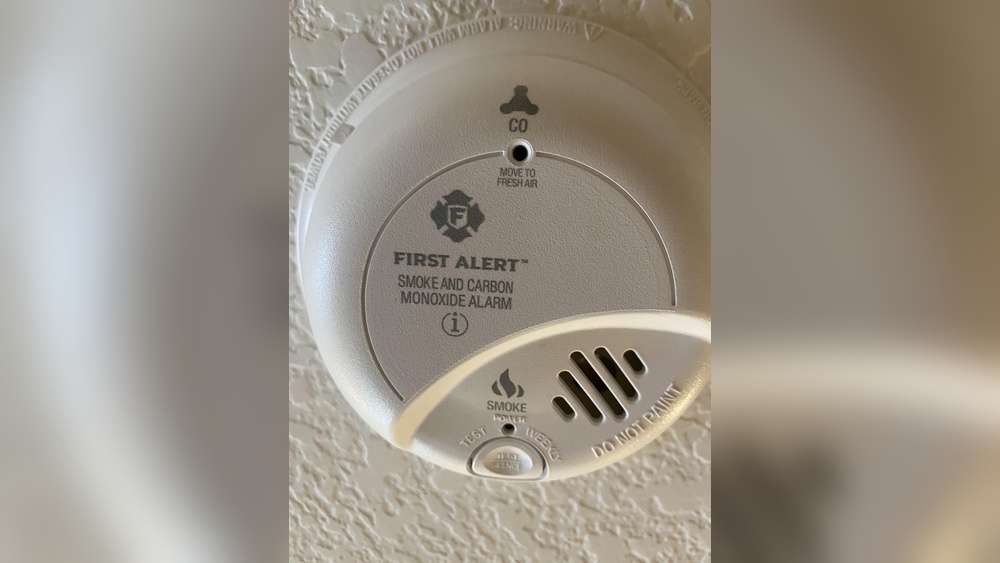
Smoke detectors play a vital role in home safety. They alert you quickly to smoke or fire. Understanding the types helps in handling them properly. Different models have unique features and ways to disable temporarily. Knowing your detector type is important before any action.
Battery-powered Models
Battery-powered smoke detectors are common in many homes. They use batteries to work independently of the house power. These models are easy to install and move. To disable them temporarily, remove the battery or press the silence button. Always check the user manual for exact instructions. Remember to replace the battery after the temporary disable period.
Hardwired Systems
Hardwired smoke detectors connect directly to the home’s electrical system. They often have a battery backup for power outages. Disabling these detectors requires more care. Turn off the circuit breaker to cut power safely. Use the silence button for temporary pauses. Never remove the backup battery completely. This type needs careful handling to avoid safety risks.
Tools Needed For Temporary Disabling
Disabling a smoke detector temporarily needs the right tools. Having these tools ready makes the task quick and safe. You avoid damage and keep yourself protected.
Below are the basic tools you need for this job. They are common and easy to find. Each plays a key role in handling the smoke detector carefully.
Flathead Screwdriver
A flathead screwdriver helps remove the smoke detector from its base. Most detectors use simple screws that fit this tool. It allows you to open the device without force.
Ladder Or Step Stool
A ladder or step stool gives you safe access to the smoke detector. Smoke detectors are often mounted on ceilings. This tool helps you reach them comfortably and avoid falls.
Batteries
Some smoke detectors turn off by removing batteries. Having spare batteries is useful to put back later. This keeps your detector ready for use once reactivated.
Work Gloves
Wear work gloves to protect your hands. They guard against dust, dirt, or sharp edges. Gloves also improve your grip on the device and tools.

Credit: www.wikihow.com
Step-by-step Disabling Process
Disabling a smoke detector temporarily is simple if you follow the right steps. Safety must stay a priority even during this process. Knowing the type of smoke detector is key. Battery-powered and hardwired alarms need different approaches. The steps below guide you through both methods clearly and safely.
Turning Off Battery-powered Detectors
Start by locating the smoke detector on the ceiling or wall. Look for a small tab or button on the side or front. Press and hold this button for about 15 seconds. This action usually silences the alarm temporarily.
Next, open the detector by twisting or pulling it gently. Remove the batteries carefully to stop it from sounding again. Keep the batteries somewhere safe to reinstall later. After the task, place the detector back in its spot and snap it into place.
Disabling Hardwired Smoke Alarms
Turn off the power at the circuit breaker to avoid electric shock. Find the smoke detector and remove it from its mounting bracket. Disconnect the power plug or wires carefully. Some detectors have a plug; others require you to untwist wire connectors.
Remove the backup batteries if present. Keep all parts in a safe place. Restore power only after the detector is fully disconnected. Reinstall and reconnect the smoke detector when ready to reactivate it.
Safety Tips During Disabling
Disabling a smoke detector temporarily requires careful attention to safety. Smoke detectors protect homes from fires. Turning them off can increase risks. Follow these safety tips to stay safe during the process.
Ensuring Proper Ventilation
Keep rooms well-ventilated while the detector is off. Open windows and doors to allow fresh air. This helps reduce smoke or fumes from cooking or cleaning. Proper airflow lowers the chance of smoke buildup. It also helps keep the air clear and safe.
Avoiding Fire Hazards
Remove all fire risks near the disabled detector. Do not use open flames or heat sources in that area. Avoid smoking or burning candles indoors. Keep flammable materials away from the room. Stay alert and ready to react quickly if smoke appears. This reduces the chance of fire accidents.
Reactivating Your Smoke Detector
After temporarily disabling your smoke detector, it is important to reactivate it quickly. A working smoke detector keeps your home safe by alerting you to smoke or fire. Reactivation ensures the device functions properly again. Follow simple steps to restore your smoke alarm’s safety features.
Replacing Batteries
Many smoke detectors stop working because of dead batteries. Start by opening the detector’s cover. Remove the old batteries carefully. Insert new batteries, matching the correct type and direction. Close the cover securely. Press the test button to check if the alarm sounds. This step confirms the detector is active again.
Resetting Hardwired Alarms
Hardwired smoke alarms connect to your home’s electrical system. To reset, first turn off the power at the circuit breaker. Press and hold the alarm’s test button for 15 to 20 seconds. This clears any error signals. Turn the power back on. Test the alarm by pressing the test button once more. The alarm should sound, showing it is working.
When To Call A Professional
Knowing when to call a professional is important for your safety. Smoke detectors protect your home from fire risks. Sometimes, problems with these devices need expert help. A professional can fix issues safely and correctly.
Some problems look simple but may hide bigger risks. Avoid guessing or trying complex repairs yourself. Recognizing signs that require expert attention can prevent accidents.
Signs of a Faulty Smoke DetectorSmoke detectors that beep without cause may be faulty. Frequent false alarms or no alarms at all need checking. A professional can test and repair the device.
Difficulty Disabling the DeviceSome smoke detectors are hard to disable temporarily. If you cannot turn it off safely, call an expert. They have the tools and skills for this job.
Wiring or Battery IssuesProblems with wiring or batteries can be dangerous. Professionals can handle electrical parts safely. They replace or fix components without risk.
After a Fire or Smoke IncidentIf your home had a fire or heavy smoke, check detectors. They might need cleaning, repair, or replacement. Professionals ensure your detectors work properly again.
Regular Maintenance and InspectionExperts provide regular maintenance for long-term safety. Schedule inspections to keep detectors in good condition. This helps prevent failures and false alarms.
Frequently Asked Questions
How Do I Temporarily Disable A Smoke Detector?
To temporarily disable a smoke detector, press and hold the silence or hush button. If unavailable, remove the battery carefully. Always ensure to reactivate it after the task to maintain safety.
Can I Disable A Smoke Detector During Cooking?
Yes, you can disable it temporarily during cooking to avoid false alarms. Use the hush button or remove the battery briefly. Never leave it disabled for long periods to ensure fire safety.
Is It Safe To Disable A Smoke Detector Temporarily?
Temporarily disabling is safe if done briefly and responsibly. Always monitor the area closely and reactivate the detector immediately after. Never leave a smoke detector disabled unattended.
How Long Can A Smoke Detector Be Disabled Safely?
Keep the smoke detector disabled only for a few minutes to an hour. Extended disabling increases fire risk. Reactivate it promptly after completing your task.
Conclusion
Temporarily disabling a smoke detector can be done safely with care. Always follow the steps to avoid risks at home. Remember to turn it back on as soon as possible. Smoke detectors protect your family by warning about fire. Keep them working well to stay safe every day.
Taking simple actions helps prevent accidents and saves lives. Stay alert and use these tips wisely when needed. Safety always comes first, so handle smoke detectors carefully.