Your smoke detector is one of the most important devices in your home. It keeps you and your loved ones safe by warning you of danger.
But how do you know when it’s time to replace it? Ignoring this question could put your safety at risk. You’ll discover simple signs that tell you your smoke detector needs replacing. Knowing these signs could make all the difference in an emergency.
Keep reading to protect your home and peace of mind.
Credit: yubanet.com
Signs Of A Failing Smoke Detector
Smoke detectors are vital for home safety. They alert you to fire dangers early. Knowing the signs of a failing smoke detector can save lives. Faulty detectors might not warn you during emergencies. Watch for key signs to know when to replace them.
Frequent False Alarms
Smoke detectors that trigger alarms without cause need attention. False alarms may happen often if sensors age or get dirty. Constant beeping disturbs your household and makes alarms less trusted. Repeated false alarms often mean the device is failing.
Unresponsive Test Button
Testing your smoke detector regularly ensures it works properly. Press the test button to check if the alarm sounds. If the button does nothing, the detector may be dead or broken. An unresponsive test button signals the need for replacement.
Physical Damage Or Wear
Look for cracks, discoloration, or other damage on your smoke detector. Physical wear can affect its ability to detect smoke. Dust and grime buildup may also reduce sensitivity. Damaged or worn detectors should be replaced immediately for safety.
Recommended Replacement Timeline
Knowing the right time to replace your smoke detector is vital for home safety. Smoke detectors do not last forever. They lose sensitivity and may not warn you properly in an emergency. Following a recommended replacement timeline helps keep your home protected.
Manufacturer Guidelines
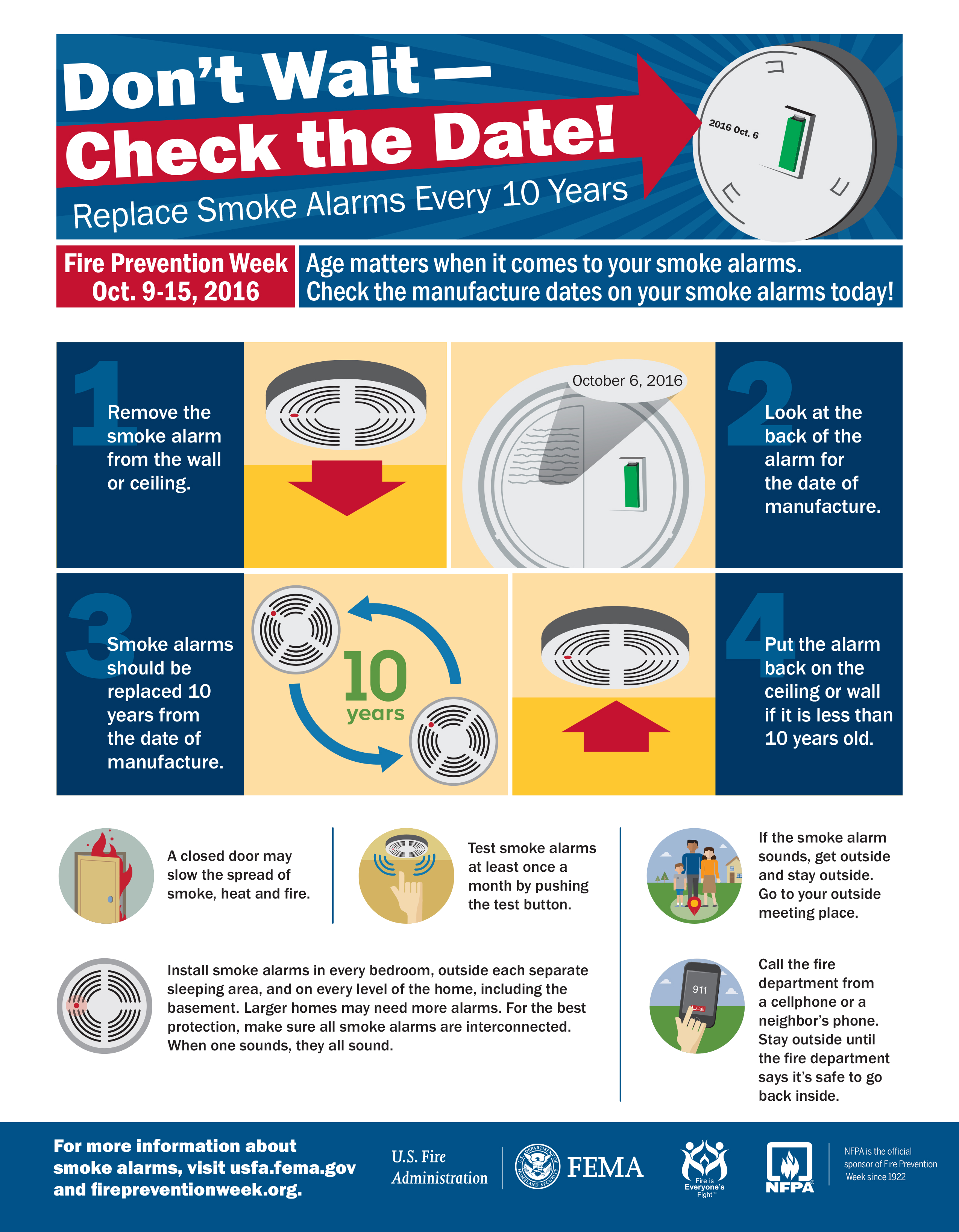
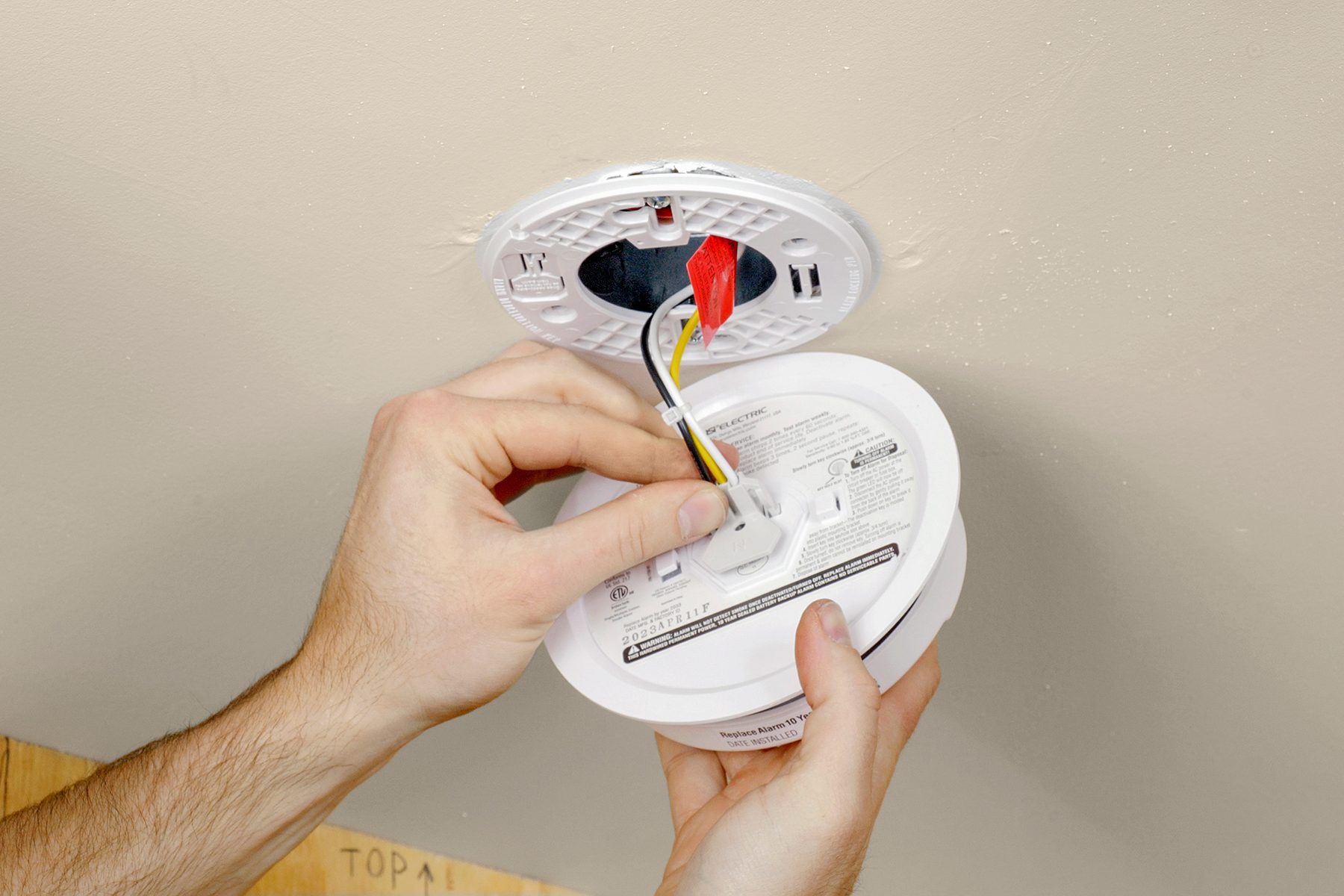
Every smoke detector brand provides specific instructions. These guidelines tell you when to replace the unit. Usually, the information is found in the user manual or on the back of the device. Always follow these instructions closely. Manufacturers test their products and know the best timeline.
Average Lifespan Of Smoke Detectors
Most smoke detectors last about 10 years. After this time, the sensors may fail. Some models have shorter lifespans, around 7 years. Others, especially those with sealed batteries, might last longer. Replacing your smoke detector every 10 years is a good rule of thumb. It ensures your alarm works when you need it most.
Battery And Power Considerations
Battery and power are key for smoke detectors to work well. A dead battery means no warning during a fire. Knowing about battery life and power types helps decide when to replace your smoke detector.
Battery Life Indicators
Smoke detectors have signals to show battery life. A short beep every minute means the battery is low. Replace the battery right away to keep the alarm working. Some detectors have a light that flashes when power is weak. Check these signs often to avoid surprises.
Hardwired Vs. Battery-operated Units
Hardwired smoke detectors connect to your home’s electricity. They usually have a battery backup for power outages. Batteries in hardwired units need changing every year. Battery-operated detectors run only on batteries. Replace these batteries twice a year for safety. Both types can fail if batteries are old or missing. Knowing the power type helps plan replacements and maintenance.
Advancements In Smoke Detector Technology
Smoke detector technology has improved a lot over the years. These advances help detect fires faster and more accurately. Understanding new features can guide you on when to replace old models. Modern smoke detectors are safer and smarter than ever before.
Photoelectric Vs. Ionization Sensors
Photoelectric sensors detect smoke from slow, smoldering fires. They use a light beam to spot smoke particles. Ionization sensors react quickly to fast, flaming fires. They use a small amount of radioactive material to sense smoke. Knowing the difference helps pick the right detector for your home. Many new detectors combine both sensor types for better safety.
Smart Smoke Detectors
Smart smoke detectors connect to your phone or home system. They send alerts even if you are not home. Some models test themselves and tell you when batteries run low. They can also link with other smart devices for a faster response. These features improve safety and give peace of mind.
Maintenance Tips To Extend Lifespan
Smoke detectors save lives by warning about fires early. Keeping them in good shape helps them work longer and better. Simple care and checks can stop problems before they start. Below are easy tips to keep your smoke detector running well.
Regular Cleaning
Dust and dirt can block smoke sensors. Clean your smoke detector every few months. Use a soft brush or vacuum cleaner on low power. Avoid water or strong cleaners. A clean detector senses smoke faster and stays reliable.
Routine Testing
Test your smoke detector once a month. Press the test button until the alarm sounds. If it does not sound, replace the batteries or the unit. Regular tests ensure your smoke detector is always ready. Don’t skip this simple check.
Credit: www.familyhandyman.com
Safety Risks Of Outdated Detectors
Old smoke detectors can cause serious safety problems. They may not work well or sound late. This delay can be dangerous in a fire. Knowing the risks helps keep your home safe.
Delayed Fire Detection
Outdated detectors often respond slower to smoke. They might miss early signs of fire. This delay gives less time to react. Every second counts in a fire emergency. A slow alarm can cause more damage.
Increased Risk Of Injury
Late warnings increase the chance of harm. People may not escape quickly enough. Smoke and fire can cause severe injuries. Working detectors save lives by alerting early. Replacing old units reduces this risk greatly.
Choosing The Right Replacement
Choosing the right replacement for your smoke detector is important for home safety. The right device helps protect your family from fire hazards. Not all smoke detectors are the same. You need to pick one that fits your home’s needs and meets safety rules.
Compliance With Safety Standards
Choose smoke detectors that meet current safety standards. Look for devices approved by recognized organizations like UL or NFPA. These certifications show the product has passed tests for reliability and performance. A certified detector will alert you quickly during a fire emergency.
Check local building codes for any specific requirements. Some areas require interconnected smoke detectors. These devices sound alarms throughout the house when one detects smoke. Meeting these rules ensures your home is safe and up to code.
Features To Consider
Pick a smoke detector with features that suit your lifestyle. Battery-operated models offer easy installation and no wiring. Hardwired detectors connect to your home’s electrical system and often include battery backup.
Consider devices with a test button and a low-battery warning. These features help you maintain the detector properly. Some models combine smoke and carbon monoxide detection. This can save space and provide extra safety.
Look for devices with a silence or hush button. This stops false alarms from cooking or steam without removing batteries. Bright LED indicators can show the device’s status at a glance. Choosing the right features makes your home safer and the device easier to use.
Credit: support.firstalert.com
Frequently Asked Questions
How Often Should You Replace A Smoke Detector?
Smoke detectors should be replaced every 10 years. Over time, sensors degrade and become less reliable. Regular replacement ensures your safety by maintaining effective fire detection.
What Signs Indicate A Smoke Detector Needs Replacing?
Frequent false alarms, failure to sound during tests, or physical damage indicate replacement. Also, if your smoke detector is over 10 years old, it’s time for a new one.
Can A Smoke Detector Battery Replacement Delay Full Replacement?
Replacing batteries extends functionality but doesn’t replace the device’s lifespan. Sensors wear out after 10 years, so full replacement is necessary regardless of battery changes.
Why Is It Important To Replace Outdated Smoke Detectors?
Outdated detectors may fail during emergencies, risking lives and property. Newer models have advanced technology for better detection and reliability, improving your home’s safety.
Conclusion
Smoke detectors save lives by warning of fire early. Replace them every 10 years to stay safe. Check the date on your device now. If it beeps often or fails tests, it needs changing. Old detectors may not work when you need them most.
Keep your home protected with a fresh, working alarm. Don’t wait until it’s too late. Stay alert, stay safe.