
Have you ever been startled by a smoke detector alarm but weren’t sure which one was going off? It can be confusing and stressful, especially when every second counts.
Knowing exactly which smoke detector is sounding can help you act quickly and keep your home safe. You’ll learn simple and effective ways to identify the source of the alarm fast. Keep reading to take control of the situation and protect your loved ones with confidence.
Credit: www.jbsa.mil
Types Of Smoke Detectors
Smoke detectors save lives by warning about fire early. Different types use different technology. Knowing these types helps you understand the sounds they make. This knowledge can help you tell which alarm is going off in your home.
Ionization Smoke Alarms
Ionization smoke alarms detect small smoke particles. They use a small amount of radioactive material to sense smoke. These alarms react quickly to fast, flaming fires. Their beep is usually sharp and quick. They work best in kitchens and areas with fast fires.
Photoelectric Smoke Alarms
Photoelectric alarms sense large smoke particles from slow, smoldering fires. They use a light sensor inside the unit. Smoke blocks the light and triggers the alarm. Their sound is often a slower, louder beep. These alarms are good for bedrooms and living rooms.
Combination Smoke Alarms
Combination alarms include both ionization and photoelectric sensors. They detect both fast flames and slow smoldering fires. This type gives the best overall protection. Their sound may vary depending on the type of smoke detected. Combination alarms help ensure no fire goes unnoticed.
Common Sounds And Signals
Smoke detectors use different sounds and signals to alert you. Recognizing these signals helps identify the cause quickly. This knowledge can prevent panic and ensure proper action.
Distinct Beeping Patterns
Smoke detectors often beep in certain patterns. A slow, steady beep usually means low battery. Rapid, repeating beeps signal smoke or fire. Some devices use a long beep followed by two short beeps. This pattern may indicate carbon monoxide presence. Knowing these patterns helps you react fast.
Voice Alerts
Modern smoke detectors may use voice alerts. These devices say clear messages like “Fire! Fire!” or “Carbon monoxide detected.” Voice alerts reduce confusion during emergencies. They provide specific instructions, making it easier to understand the threat.
Visual Indicators
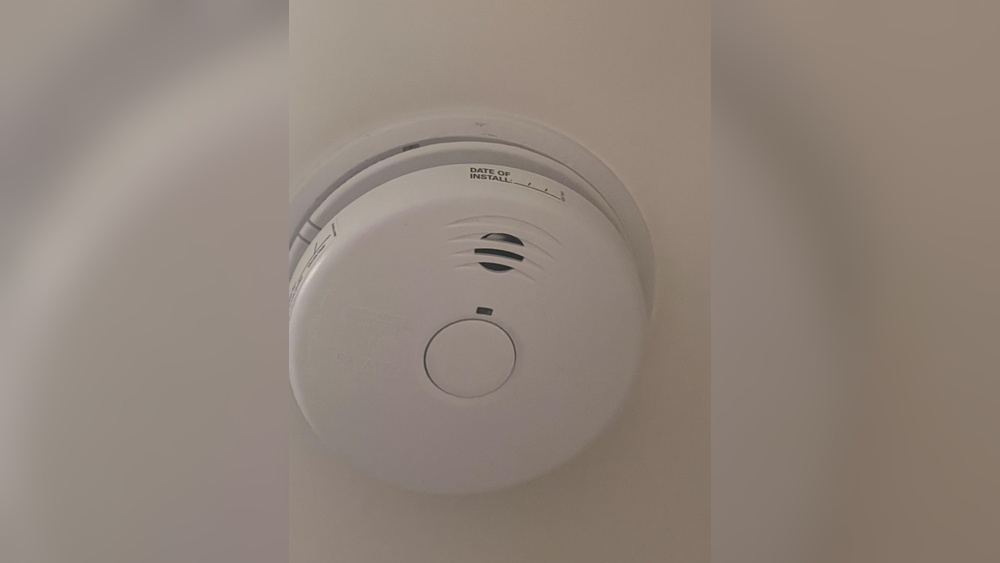
Visual cues support audio signals. Flashing lights or LED indicators show the detector’s status. A steady red light might mean the unit is active. A blinking red light could indicate an alarm or error. Some models have different colored lights for various warnings. Watching these lights helps confirm the problem quickly.
Locating The Active Alarm
When a smoke detector starts beeping, finding the exact one can be tricky. Knowing which alarm is active helps you act fast. This section guides you through simple steps to locate the active smoke detector easily.
Listening For Direction
Stand still and listen closely. The loudest beep comes from the active alarm. Move your head slowly from side to side. Notice where the sound is strongest. This helps point you toward the right detector.
Checking Each Detector
Walk to each smoke detector in your home. Pause near every device and listen carefully. Some alarms beep louder up close. If a detector is silent, it is not the source. This method confirms the active alarm’s location.
Using A Flashlight
Turn off all lights in the room. Use a flashlight to scan the ceiling and walls. Look for blinking lights on each smoke detector. The active alarm usually flashes a red or green light. This visual cue helps you spot the alarm quickly.
Quick Troubleshooting Steps
Quick troubleshooting helps you find the smoke detector causing the alarm. It saves time and reduces stress. Follow simple steps to fix common issues. These steps work for most smoke alarms in your home.
Resetting The Alarm
Start by pressing the reset button on the alarm. Hold it for 15 to 20 seconds. This stops the noise and clears any errors. If the alarm keeps beeping, try other steps.
Replacing Batteries
Open the detector’s cover carefully. Take out old batteries and put new ones in. Use fresh batteries to avoid weak signals. Close the cover and check if the alarm stops.
Cleaning The Detector
Dust and dirt can cause false alarms. Use a vacuum or soft brush to clean the detector. Clean around the vents and sensor area gently. Regular cleaning keeps your smoke detector working well.
Preventing False Alarms
False alarms from smoke detectors can be frustrating and cause unnecessary panic. They can also make people ignore real dangers. Preventing false alarms helps keep your home safe and your family calm. Simple steps can reduce these annoying alerts.
Proper Placement
Place smoke detectors away from kitchens and bathrooms. Steam and cooking smoke can trigger false alarms. Install detectors on ceilings or high walls. Avoid areas near windows or vents. Air drafts can affect the sensor’s accuracy.
Regular Maintenance
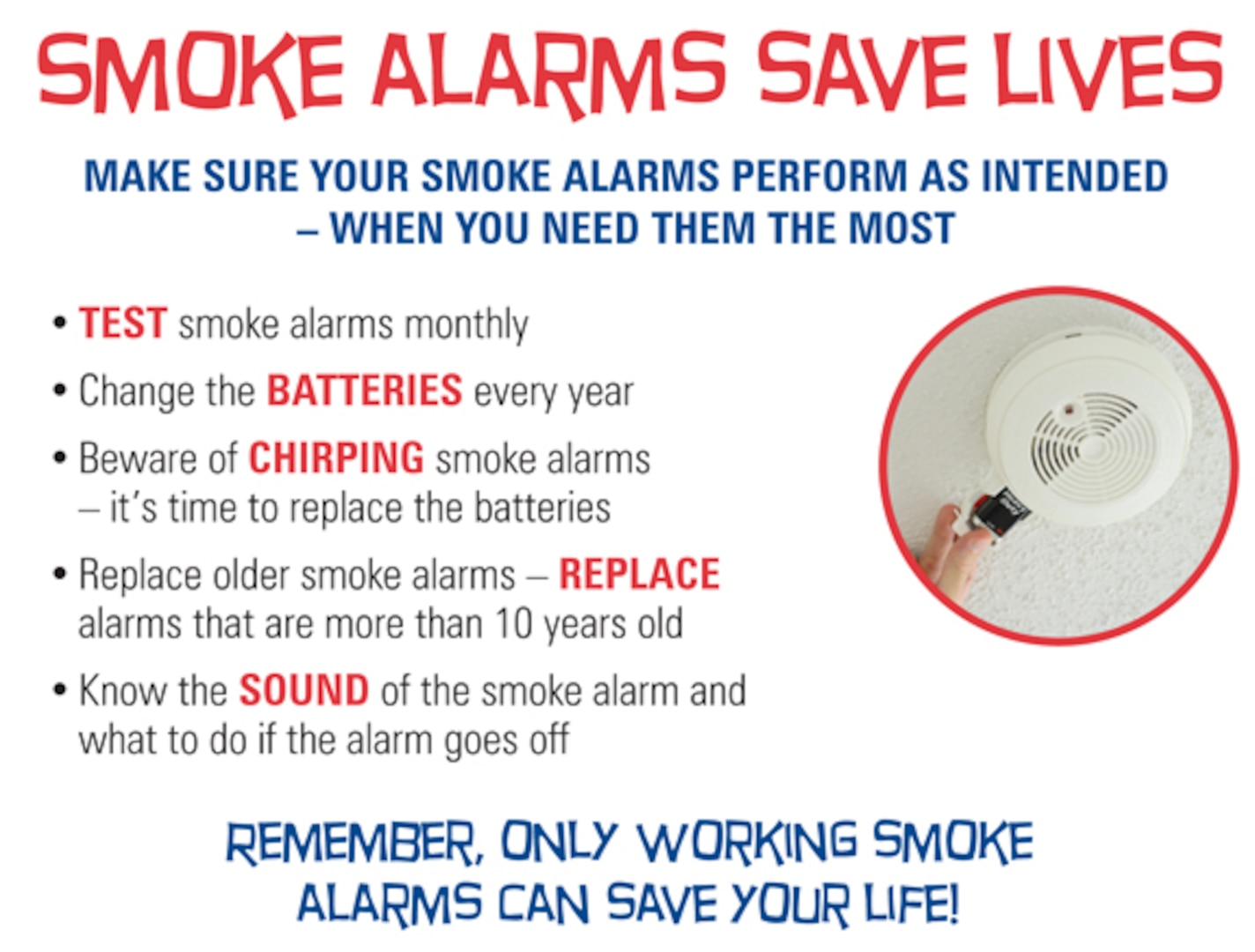
Clean smoke detectors every month. Dust and dirt can cause false signals. Use a vacuum or soft brush gently. Test detectors once a month to check batteries. Replace batteries at least once a year. Replace the whole unit after 10 years.
Avoiding Common Triggers
Keep smoke detectors away from fireplaces and heaters. Smoke and heat can cause false alerts. Do not paint over detectors or block their sensors. Avoid using strong cleaning sprays near them. Cooking smells and steam can confuse the alarms.

Credit: www.nfpa.org
When To Replace Your Smoke Detector
Knowing when to replace your smoke detector is key to keeping your home safe. Smoke alarms do not last forever. Over time, their sensors wear out. Faulty alarms can fail during an emergency. This section helps you spot signs of trouble and decide when to upgrade.
Signs Of Malfunction
Frequent false alarms might mean your detector is faulty. If the alarm chirps regularly, it could signal low battery or sensor issues. Dust and dirt can block sensors, causing problems. A detector that never sounds during a test might be broken. Physical damage, like cracks or loose parts, also means replacement is needed.
Recommended Lifespan
Most smoke detectors last about 10 years. After this time, sensors lose sensitivity. Check the manufacturing date on the back of the alarm. Replace the unit if it is older than 10 years. New alarms work better and keep your family safer.
Upgrading To Smart Alarms
Smart smoke detectors offer extra features. They connect to your phone for instant alerts. Some models can tell which alarm is triggered. They often include battery status updates. Upgrading helps you respond faster to dangers. Smart alarms can be a good investment for safety.
Credit: www.juddfire.com
Frequently Asked Questions
How Can I Identify Which Smoke Detector Is Alarming?
Listen for the loudest beep or chirp to locate the active detector. Check each unit visually for flashing lights or sound signals to confirm the source.
Why Do Some Smoke Detectors Beep Intermittently?
Intermittent beeps often signal low battery or device malfunction. Replace batteries or reset the unit to stop the warning sound.
Can Different Smoke Detectors Have Distinct Alarm Sounds?
Yes, some models emit unique alarm patterns. Recognizing these helps identify the exact detector that is triggered.
What Steps Should I Take When A Smoke Detector Goes Off?
Immediately check the area for fire or smoke. If false alarm, ventilate and reset the detector carefully.
Conclusion
Knowing which smoke detector is sounding saves time and stress. Different alarms have distinct sounds or lights. Pay attention to these signs. Test your detectors regularly to keep them working well. Replace old or faulty units without delay. Stay calm and act quickly if an alarm goes off.
Your safety depends on understanding your smoke detectors. Keep your home and family protected every day.