
Is your smoke detector beeping nonstop and driving you crazy? You’re not alone.
That constant beep can be more than just annoying—it can interrupt your sleep, your work, and your peace of mind. But don’t worry, you don’t have to live with the noise or ignore it. You’ll discover simple, effective steps to stop your smoke detector from beeping without compromising your safety.
Keep reading, and you’ll soon enjoy quiet moments again while keeping your home protected.

Credit: waynealarm.com
Common Reasons For Beeping
Smoke detectors beep for several common reasons. These sounds alert you to issues that need quick attention. Knowing the cause helps you stop the beeping safely and keep your home secure.
Low Battery Alert
The most frequent cause of beeping is a low battery. Smoke detectors use batteries to work even during power outages. When the battery runs low, the detector beeps regularly. This sound warns you to replace the battery soon.
Changing the battery usually stops the beeping. Use the correct battery type recommended by the manufacturer. Test the detector after replacement to ensure it works well.
Dust And Debris
Dust or small debris inside the smoke detector can cause false alarms and beeping. These particles block the sensor and confuse the device. Cleaning the detector gently with a vacuum or a soft brush helps.
Regular cleaning prevents beeping and keeps the smoke detector responsive. Avoid using water or harsh cleaners inside the unit.
End Of Life Warning
Smoke detectors do not last forever. Most devices have a lifespan of 7 to 10 years. When near the end, they beep to alert you. This signal means you should replace the entire unit.
Check the date on the back of your smoke detector. Replace it if it is older than the recommended lifespan.
Electrical Issues
Hardwired smoke detectors may beep due to electrical problems. Loose wiring or power surges can cause intermittent sounds. Inspect the connections carefully or call an electrician for help.
Fixing electrical issues quickly keeps the smoke detector reliable and safe. Never ignore beeping from hardwired systems, as it may affect your home’s safety.
Quick Battery Replacement Tips
Quick battery replacement can stop a smoke detector from beeping fast. Knowing how to change batteries safely keeps your home secure. Follow simple steps to choose, remove, and install batteries right. This helps keep your smoke detector working well.
Choosing The Right Battery
Use the battery type your smoke detector needs. Most use 9-volt or AA batteries. Check the device label or manual for the correct size. Pick fresh batteries from a trusted brand. Old or wrong batteries can cause false beeping.
Safe Battery Removal
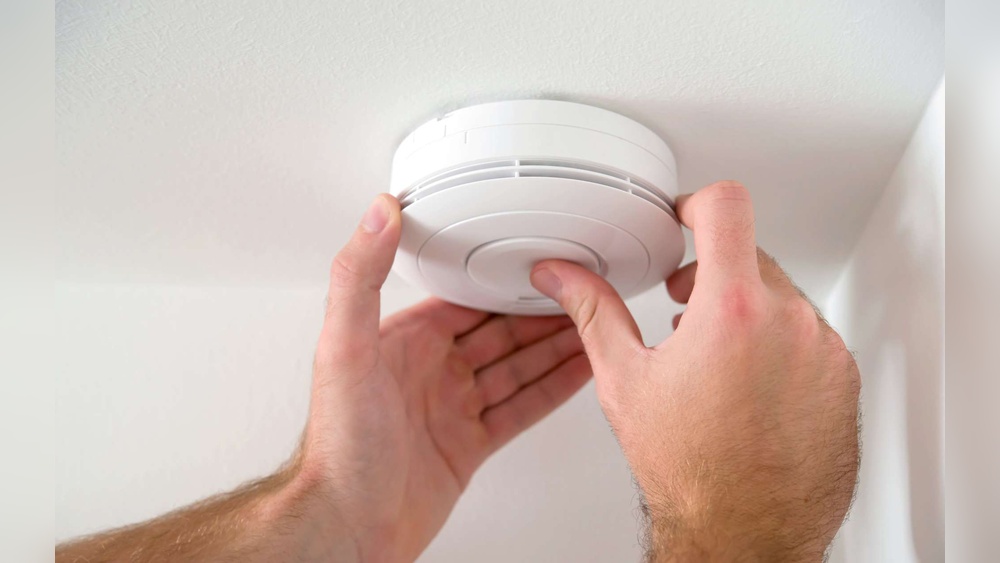
Turn off the smoke detector before removing the battery. Twist or slide the cover open gently. Remove the battery carefully to avoid damaging contacts. Dispose of old batteries properly. Avoid touching the metal parts with wet hands.
Proper Battery Installation
Insert the new battery with correct polarity (+ and -). Match the positive and negative ends to the device markings. Close the cover firmly to secure the battery inside. Test the smoke detector by pressing the test button. A steady beep means it works well.
Cleaning Your Smoke Detector
Cleaning your smoke detector is a simple way to stop annoying beeping. Dust and debris often cause false alarms or low battery signals. Regular cleaning keeps the smoke detector working properly and extends its life.
Tools Needed
- Soft brush or small paintbrush
- Vacuum cleaner with brush attachment
- Microfiber cloth
- Screwdriver (if needed to open the detector)
- Compressed air can (optional)
Step-by-step Cleaning Process
- Turn off power to the smoke detector for safety.
- Remove the detector from the ceiling or wall.
- Use a soft brush to gently remove dust from vents.
- Vacuum the detector’s openings using the brush attachment.
- Wipe the outer surface with a dry microfiber cloth.
- Use compressed air to blow out hard-to-reach dust.
- Reinstall the smoke detector and restore power.
- Test the alarm to ensure it works correctly.
Preventing Future Dust Buildup
Clean your smoke detector every six months. Keep the area around it free from dust. Avoid placing detectors near vents or windows. Regular checks reduce false alarms and keep you safe.

Credit: www.angi.com
Resetting The Smoke Detector
Resetting a smoke detector can stop the annoying beeping sound. This step often solves common issues like false alarms or low battery warnings. Knowing when and how to reset your smoke detector helps keep your home safe and quiet.
When To Reset
Reset your smoke detector after replacing the battery. Also reset if the alarm sounds without smoke or fire. Sometimes dust or insects trigger false alarms. Resetting clears the sensor and stops the beep. Do not ignore continuous beeping; it signals a problem.
Reset Methods For Different Models
Press the reset button on most models to stop the alarm. Hold it for 15-20 seconds until the beep ends. Some detectors need you to remove the battery first. Others require a power reset by turning off the circuit breaker. Check your model’s manual for exact steps. Follow instructions carefully to avoid damage.
Checking For Electrical Problems
Electrical problems can cause a smoke detector to beep continuously. Checking these issues helps stop the annoying sound. It also ensures your home stays safe from fire risks. Look closely at the wiring and power source to find any faults. Fixing these can often end the beeping quickly. Here are some simple steps to follow.
Inspecting Wiring
Turn off the power before handling any wires. Look for loose or damaged wires connected to the smoke detector. Check if the wires are properly attached to the terminals. Frayed or broken wires can cause the alarm to beep. Tighten any loose connections carefully. Replace damaged wires to avoid further problems.
Addressing Power Source Issues
Smoke detectors need a steady power supply to work right. If your detector uses batteries, test and replace them regularly. For hardwired alarms, check the circuit breaker in your home. A tripped breaker can stop power and cause beeping. Make sure the power switch for the detector is on. Poor power flow causes false alarms and constant beeping.
When To Call A Professional
Sometimes electrical problems are hard to fix alone. If you see burnt wires or smell burning, stop and call an expert. A professional electrician can safely check the wiring and power source. They can fix complex issues without risk. Don’t ignore repeated beeping after your checks. Getting expert help keeps your home and family safe.
Replacing An Old Smoke Detector
Smoke detectors do not last forever. Over time, they wear out and stop working well. Replacing an old smoke detector is important for safety. A new detector can protect your home better and stop annoying beeps.
Knowing when to replace your smoke detector helps keep your family safe. Choosing the right new detector matters too. Finally, disposing of the old unit properly is part of the process.
Signs It’s Time To Replace
Smoke detectors usually last 8 to 10 years. Check the date printed on the back. If the detector is older, it should be replaced. Frequent false alarms or constant beeping also mean trouble. A detector that does not respond to the test button needs replacement.
Choosing A New Detector
Pick a smoke detector that fits your home needs. There are ionization and photoelectric types. Photoelectric detectors are better at sensing slow fires. Some detectors have a built-in carbon monoxide sensor. Choose one with a long-life battery for less hassle. Make sure the new detector meets safety standards.
Proper Disposal Of Old Units
Old smoke detectors contain small amounts of radioactive material. Do not throw them in the trash. Many local recycling centers accept smoke detectors. Check with your local waste facility for rules. Some stores offer take-back programs for old units. Proper disposal keeps the environment safe.
Preventing Future Beeping Issues
Preventing future beeping issues with your smoke detector saves time and stress. Regular care keeps it working well. It helps avoid false alarms and annoying sounds. Taking simple steps ensures your home stays safe.
Regular Maintenance Schedule
Check your smoke detector every month. Clean dust and dirt from its surface. Use a soft brush or vacuum cleaner. Test the alarm by pressing the test button. Replace any faulty units immediately. Keeping a routine prevents many problems.
Battery Replacement Tips
Change batteries at least once a year. Use fresh, high-quality batteries for best results. Remove old batteries carefully before inserting new ones. Write the date of replacement on the device. This helps remember the next change date. Low batteries often cause beeping sounds.
Avoiding Common Mistakes
Do not ignore low battery warnings. Avoid using expired batteries or wrong types. Never paint over the smoke detector. Keep it away from steam and smoke sources. Do not block vents or cover the unit. These errors can cause false alarms or damage.

Credit: www.angi.com
Frequently Asked Questions
Why Does My Smoke Detector Keep Beeping?
Your smoke detector beeps due to low battery, dust, or malfunction. Regularly check and replace batteries. Clean the detector to remove dust. If it still beeps, consider replacing the unit for safety.
How Do I Reset A Smoke Detector Beep?
To reset, press and hold the test button for 15-20 seconds. This stops the beep if the battery is good. If not, replace the battery and try resetting again.
Can A Dirty Smoke Detector Cause Beeping?
Yes, dust or debris can trigger false alarms and beeping. Clean the detector gently with a vacuum or soft brush monthly to prevent this.
How Often Should I Replace Smoke Detector Batteries?
Replace batteries at least once a year or when the detector beeps. Using fresh batteries ensures reliable smoke detection and safety in your home.
Conclusion
A beeping smoke detector can be very annoying. Always check the battery first. Replace old batteries with fresh ones quickly. Clean the detector to remove dust or dirt. Test it regularly to keep it working well. Remember, a working smoke detector keeps you safe.
Don’t ignore the beeping sounds. Fixing the problem soon helps avoid false alarms. Stay safe and keep your home protected. Simple steps can stop the noise fast.