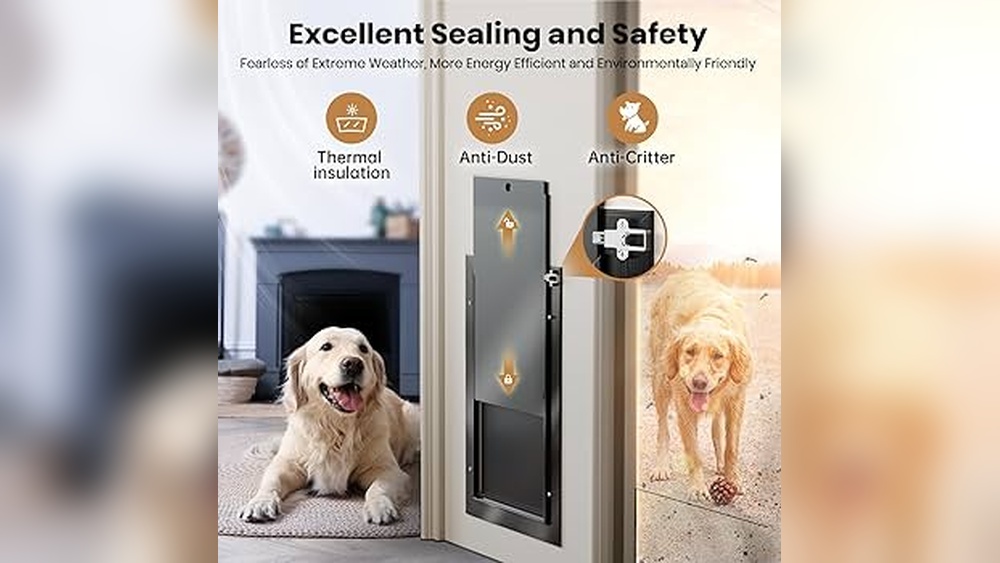

Does your dog hesitate or freeze at the sight of the pet door? You’re not alone, and it can be frustrating watching your furry friend struggle with something designed to make life easier.
But imagine your dog confidently walking through that door, enjoying the freedom to explore outside whenever they want. It’s possible, and you’ll discover simple, effective steps to help your dog overcome their fear of the pet door. Keep reading, and you’ll learn how to turn that hesitation into excitement—making life better for both you and your pet.

Credit: www.homedepot.com
Choose The Right Pet Door
Choosing the right pet door helps your dog feel safe and confident. The right door fits your dog’s size and matches your home. It makes learning to use the door easier. A good pet door can reduce fear and build trust.
Size And Placement Tips
Pick a pet door big enough for your dog to pass through easily. Measure your dog’s height and width. The door should be a little larger than your dog’s size. Place the door at your dog’s shoulder height. This helps your dog step through without bending or jumping. Avoid placing the door near loud noises or busy areas. Your dog will feel more comfortable in a quiet spot.
Material And Design Options
Choose a pet door made of sturdy, safe materials. Plastic doors are light and easy to use for small dogs. Metal or wood doors suit bigger dogs and last longer. Pick a door with a clear flap so your dog can see outside. Some doors have soft flaps that swing easily. This reduces noise and fear during use. Magnetic or weighted flaps help keep cold air out. A well-designed door helps your dog trust the new way to go outside.

Credit: blizanovy.cz
Introduce The Pet Door Gradually
Introducing a pet door to your dog needs patience and care. Sudden exposure can cause fear or confusion. Gradual introduction helps your dog feel safe and curious about the new door. This approach builds trust and encourages positive behavior around the pet door.
Familiarize With The Door
Start by letting your dog see and sniff the pet door. Leave the door open so light and air can pass through. Allow your dog to explore it at their own pace. Avoid forcing your dog near the door. This step makes the door less strange and more inviting.
Use Treats And Toys
Place treats near and through the pet door to create interest. Toss a favorite toy on the other side to encourage your dog to move forward. Praise your dog for any interaction with the door. These rewards make the pet door a source of fun and comfort.
Build Confidence Step-by-step
Building your dog’s confidence with a pet door takes time and patience. Start slow and keep each step clear and simple. Small victories help your dog feel safe and ready to try more. This approach helps your dog learn without fear or stress.
Encourage Small Steps
Let your dog explore the pet door at their own pace. Begin by placing treats near the door. Praise your dog for any interest shown. Next, guide your dog to touch the door with their nose or paw. Reward these small actions. Gradually, encourage your dog to go halfway through the door flap. Keep sessions short and positive. Avoid forcing your dog to move too fast.
Celebrate Progress
Recognize every small success your dog makes. Use a happy voice and gentle petting. Give treats as a reward for using the door. Celebrate when your dog passes fully through the door. This builds trust and joy around the pet door. Your dog will connect the door with good feelings. Regular praise boosts confidence and speeds learning.
Use Positive Reinforcement
Using positive reinforcement helps your dog feel safe and confident with the pet door. It builds trust and encourages your dog to try without fear. Rewards make learning fun and stress-free. This method focuses on good behavior, not fear or punishment.
Reward Successful Attempts
Praise your dog every time it uses the pet door. Give treats or favorite toys right after your dog passes through. Use kind words and gentle petting to show approval. Small rewards teach your dog that the door leads to good things. Repeat this often to build a positive habit.
Avoid Punishment
Never scold or punish your dog for hesitating at the door. Punishment increases fear and slows progress. Stay calm and patient, even if your dog is scared. Focus only on encouraging steps forward. A kind approach helps your dog feel safe and eager to try again.
Practice Regularly
Practice is essential to help your dog feel safe with a pet door. Regular sessions build confidence and reduce fear. Each time your dog uses the door, it learns something new. This makes the pet door less strange and more familiar. Practice often to create a positive habit.
Short Training Sessions
Keep training sessions brief to hold your dog’s attention. Five to ten minutes is enough. Long sessions can tire your dog or cause frustration. Short sessions keep learning fun and stress-free. Repeat these sessions several times a day for best results.
Consistency Is Key
Practice at the same times daily. Use the same commands and gestures every time. Consistency helps your dog understand what to expect. It builds trust and makes learning faster. Avoid changing routines to keep your dog confident and calm.
Handle Common Setbacks
Training a dog to use a pet door takes patience. Some challenges may slow progress. Handling common setbacks helps keep your training on track. Knowing how to face these issues makes the process smoother.
Fear And Hesitation
Dogs often fear new things like a pet door. They may hesitate or refuse to go through. Stay calm and use gentle encouragement. Let your dog explore the door at their own speed.
Use treats to create positive feelings around the door. Praise your dog for small steps near it. Avoid forcing them through, which can increase fear. Patience and kindness build trust and reduce hesitation.
Distractions And Interruptions
Distractions can break your dog’s focus during training. Loud noises, other pets, or new people may cause interruptions. Train in a quiet, safe space to minimize distractions.
Short, frequent sessions work best. Keep training times consistent to build routine. If distractions occur, calmly guide your dog back to the task. Focus helps your dog learn faster and with less stress.
Make The Door More Inviting
Making the pet door inviting helps your dog feel safe and curious. Dogs respond well to comfort and familiar things. Creating a welcoming space around the door encourages your dog to explore it. Small changes can turn the pet door from scary to friendly.
Keep The Area Clean
Dogs dislike dirty places. Dirt or unpleasant smells near the door can scare them. Sweep the floor and wipe the door often. Remove any clutter that blocks the path. A tidy area shows your dog the door is safe. Clean spaces help dogs relax and trust new things.
Add Familiar Scents
Dogs use smell to understand their world. Place a favorite blanket or toy near the door. Your scent on these items comforts your dog. You can also add a bit of their bedding close to the door. Familiar smells create a safe feeling. This encourages your dog to approach and explore the pet door.

Credit: www.homedepot.com
Frequently Asked Questions
How To Introduce A Dog To A Pet Door?
Start by showing the door while praising your dog. Use treats to encourage exploration. Gradually open the flap and reward your dog for passing through it. Consistency and patience help build positive associations.
Why Is My Dog Afraid Of The Pet Door?
Dogs may fear pet doors due to unfamiliarity or past negative experiences. The flap’s movement, unfamiliar sounds, or visual barriers can cause anxiety. Slowly introducing and training your dog can reduce fear and build confidence.
How Long Does It Take For Dogs To Use Pet Doors?
Most dogs adapt within a few days to two weeks. Training speed depends on the dog’s age, temperament, and past experiences. Regular, positive reinforcement shortens the adjustment period significantly.
What Training Tools Help With Pet Door Fear?
Use treats, clickers, and toys to encourage your dog. Positive reinforcement tools motivate your dog to explore the door. Gradual exposure combined with rewards helps overcome fear effectively.
Conclusion
Helping your dog feel safe with a pet door takes time. Be patient and gentle during training sessions. Use treats and praise to encourage your dog’s confidence. Start slow, letting your dog explore the door at their own pace. Keep practicing daily, making the experience fun and positive.
Soon, your dog will move through the door without fear. A calm and happy dog means a happy home. Trust and care make all the difference. Keep trying, and your dog will learn to love the pet door.