
Have you ever wondered what happens the moment someone rings your doorbell? With video doorbell cameras, you don’t have to guess.
These smart devices let you see, hear, and even speak to visitors right from your phone, no matter where you are. But how exactly do they work? Understanding the technology behind video doorbells can help you feel safer and more in control of your home.
Keep reading to discover the simple yet powerful way these cameras keep an eye on your doorstep—and why they might be the perfect addition to your home security.
Credit: www.arloren.com
Basics Of Video Doorbell Cameras
Video doorbell cameras help you see and talk to visitors at your door. They add security and convenience. Understanding how they work can help you choose the right one for your home.
Core Components
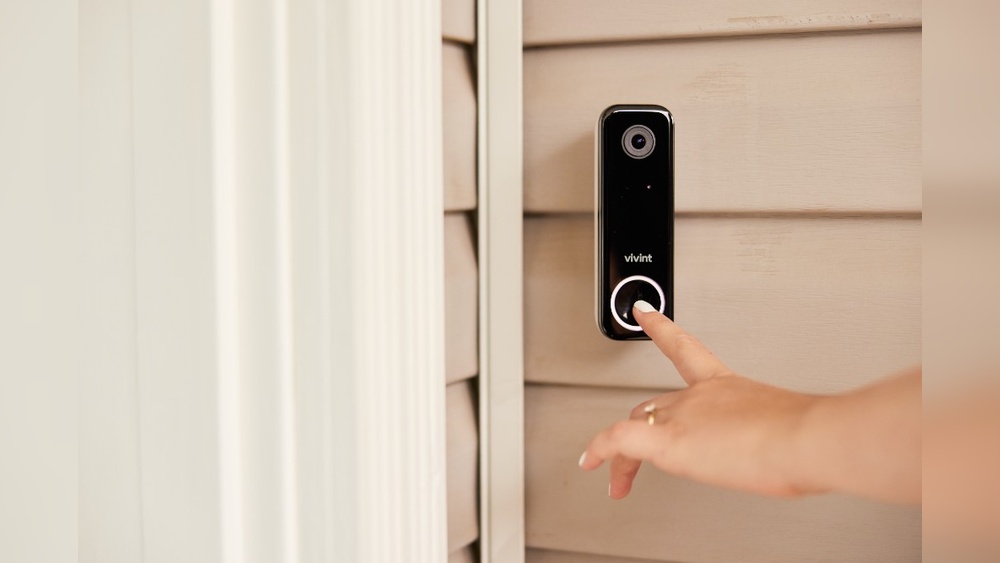
Every video doorbell camera has a few key parts. A camera lens captures the video. A microphone and speaker let you hear and speak to visitors. Motion sensors detect movement near your door. A button lets visitors ring the bell. The device also has a power source, either batteries or wired connection.
How They Capture Video
The camera records video in real-time. It usually has a wide-angle lens to cover more area. Infrared lights help capture clear video at night. The video can be live-streamed to your phone. Some models also store video clips for later review. This helps you check who came by even if you missed the alert.
Connectivity Options
Most video doorbells connect to your home Wi-Fi. This allows them to send alerts and video to your phone. Some models use wired internet or cellular networks. Wi-Fi is the most common and easy to set up. A stable connection is important for smooth video and timely alerts.
Credit: waynealarm.com
Motion Detection And Alerts
Video doorbell cameras alert you when someone approaches your door. They use motion detection to sense movement near your entrance. This feature helps you stay aware of visitors or potential intruders. Alerts are sent to your phone or device instantly. This way, you can respond quickly and keep your home safe.
Sensors And Trigger Mechanisms
Video doorbells have special sensors that detect motion. These sensors use infrared or microwave technology to spot moving objects. Once movement is detected, the camera activates and starts recording. It also triggers an alert to your phone. Some doorbells use heat sensors to detect people specifically. This reduces alerts from cars or animals passing by.
Customizing Alert Settings
You can change alert settings to fit your needs. Set detection zones to focus on important areas, like your doorstep. Adjust sensitivity levels to catch only relevant movements. Choose how often you want alerts to avoid overload. Some apps allow scheduling alerts for specific times. Custom alerts help you get notified only when needed.
Reducing False Alarms
False alarms can be annoying and waste your time. Video doorbells reduce false alerts by filtering out small or irrelevant movements. They ignore pets, shadows, or swaying trees. Advanced models use smart algorithms to identify people versus objects. You can also set quiet hours to pause alerts temporarily. These features improve alert accuracy and save battery life.
Video Streaming And Storage
Video doorbell cameras show live video and save recordings for later. They stream footage directly to your phone or device. This lets you see visitors in real time, no matter where you are. Storage options keep these videos safe and easy to access. Understanding how streaming and storage work helps you choose the best system.
Live Video Access
Live video streams from the doorbell camera to your device instantly. This allows you to see who is at your door in real time. The camera uses Wi-Fi to connect to your home network. Then, it sends the video feed to your smartphone or tablet. You can watch live video anytime through an app. This feature helps you respond quickly to visitors or deliveries.
Cloud Vs Local Storage
Video doorbells store recordings in two main ways: cloud or local storage. Cloud storage saves videos on remote servers online. This means you can access footage from anywhere with internet. Local storage saves videos on a memory card inside the device. This option keeps data offline and accessible without internet. Both methods have pros and cons. Cloud storage often includes backup and alerts. Local storage avoids monthly fees and keeps data private.
Data Security Measures
Security is very important for video doorbell data. Cameras use encryption to protect video streams. Encryption scrambles data so only you can view it. Many systems require strong passwords to access videos. Two-factor authentication adds an extra layer of safety. Regular software updates fix security vulnerabilities. Choosing a system with good security reduces hacking risks. This keeps your home footage private and secure.
Integration With Smart Home Systems
Video doorbell cameras are more useful when they connect with smart home systems. This integration helps you control your doorbell along with other devices. It makes your home safer and easier to manage. You can see visitors, talk to them, and control your camera from one place.
Compatibility With Voice Assistants
Most video doorbell cameras work well with voice assistants like Alexa, Google Assistant, and Siri. You can ask your assistant to show the doorbell camera feed on a screen. This lets you see who is at the door without touching your phone or doorbell. Voice control adds convenience and keeps your hands free.
Automation And Routines
Smart home integration lets you create routines using your video doorbell. For example, the lights can turn on when someone presses the doorbell. Or, your smart lock can unlock automatically for family members. These routines help your home respond quickly to visitors or events. It saves time and adds comfort.
Remote Monitoring Features
With smart home integration, you can monitor your doorbell camera from anywhere. Use your smartphone or tablet to check live video anytime. Receive alerts if the camera detects motion or someone rings the bell. This keeps you informed and helps you act fast, even when you are away.
Power Sources And Installation
Video doorbell cameras need power to work. Choosing the right power source affects installation and use. Some models use batteries. Others connect to house wiring. Understanding these options helps pick the best fit for your home.
Battery-powered Models
Battery-powered doorbells are easy to install. They do not need wires. You can place them anywhere near your door. Batteries last for months before recharging. Ideal for homes without doorbell wiring. Keep spare batteries ready for continuous use.
Wired Options
Wired doorbells connect to your home’s electrical system. They need existing doorbell wires or new wiring. This power source offers constant energy. No need to recharge or replace batteries. Best for homes with traditional doorbell systems. Professional installation may be required for safety.
Installation Tips
Choose a height where the camera sees visitors clearly. Avoid direct sunlight to reduce glare. Use a level to mount the doorbell straight. Follow manufacturer instructions carefully. Test the camera before finalizing installation. Secure all screws tightly for stability.

Credit: www.aboutamazon.com
Privacy And Legal Considerations
Video doorbell cameras provide safety and convenience. Yet, they raise important privacy and legal questions. Understanding these issues helps you use the device responsibly. It also protects your rights and those of others.
Recording Laws
Each place has its own rules about recording video and audio. Some areas require you to inform people that recording is happening. Others may limit recording in public or private spaces. Knowing local laws helps avoid fines or legal trouble. Always check rules before installing a video doorbell camera.
User Privacy Settings
Most video doorbells let you control privacy settings. You can choose when and what to record. Some devices allow you to block certain areas from view. You can also set alerts only for important events. Adjusting these settings keeps your privacy and respects neighbors.
Ethical Use Guidelines
Using video doorbells respectfully builds trust with neighbors. Avoid pointing cameras at private property without permission. Do not use recordings to spy or harass others. Share video footage only for safety or legal reasons. Ethical use protects everyone’s privacy and peace.
Frequently Asked Questions
How Do Video Doorbell Cameras Detect Visitors?
Video doorbell cameras use motion sensors and infrared technology to detect movement near your door. When someone approaches, the camera activates and starts recording or sends an alert to your phone. This helps you monitor your doorstep in real-time, enhancing home security.
Can Video Doorbell Cameras Record Day And Night?
Yes, most video doorbell cameras have night vision capabilities. They use infrared LEDs to capture clear video in low light or darkness. This ensures continuous monitoring and protection, even when it’s nighttime or your porch light is off.
How Do Video Doorbell Cameras Connect To Your Phone?
Video doorbell cameras connect to your phone via Wi-Fi. They stream live video and send notifications through a dedicated app. This allows you to see and speak to visitors remotely, improving convenience and security wherever you are.
Do Video Doorbell Cameras Store Recorded Footage?
Yes, video doorbell cameras usually store footage either locally or in the cloud. Cloud storage is common, enabling you to access and review recordings anytime. Some models offer free storage for a limited period, while others require a subscription.
Conclusion
Video doorbell cameras help you see who is at your door anytime. They send alerts to your phone when someone approaches. You can talk to visitors without opening the door. These devices use motion sensors and Wi-Fi to work smoothly.
They add safety and convenience to your home. Choosing the right camera depends on your needs and budget. Understanding how they function makes using them easier. Stay aware, stay safe, and enjoy the peace of mind. Simple, smart technology for everyday home security.