
How many smoke detectors should you have in your house? It’s a simple question with a life-saving answer you don’t want to miss.
Smoke detectors are your first line of defense against fire, but having too few—or placing them incorrectly—can put you and your loved ones at serious risk. You’ll discover exactly how many smoke detectors you need, where to put them, and why each one matters.
Keep reading to protect your home and gain peace of mind.
Credit: money.com
Smoke Detector Basics
Smoke detectors are essential for home safety. They alert you early if a fire starts. Knowing the basics helps you choose and place them correctly. This section explains the types of smoke detectors and how they work.
Types Of Smoke Detectors
There are two main types of smoke detectors: ionization and photoelectric. Ionization detectors sense fast, flaming fires. Photoelectric detectors detect slow, smoldering fires.
Many homes use a combination of both types. Some smoke alarms include both sensors in one device. This offers better protection against different fire types.
How Smoke Detectors Work
Smoke detectors sense smoke particles in the air. Ionization alarms use a small amount of radioactive material. It detects changes in electrical current caused by smoke.
Photoelectric alarms use a light beam inside the device. Smoke scatters the light, triggering the alarm. Both types send loud alerts to warn you of danger.
Recommended Number By Room
Knowing the right number of smoke detectors in each room helps keep your home safe. Every room has a different need for smoke alarms. This section explains the recommended number of detectors by room type. Follow these guidelines to protect your family from fire hazards.
Bedrooms And Sleeping Areas
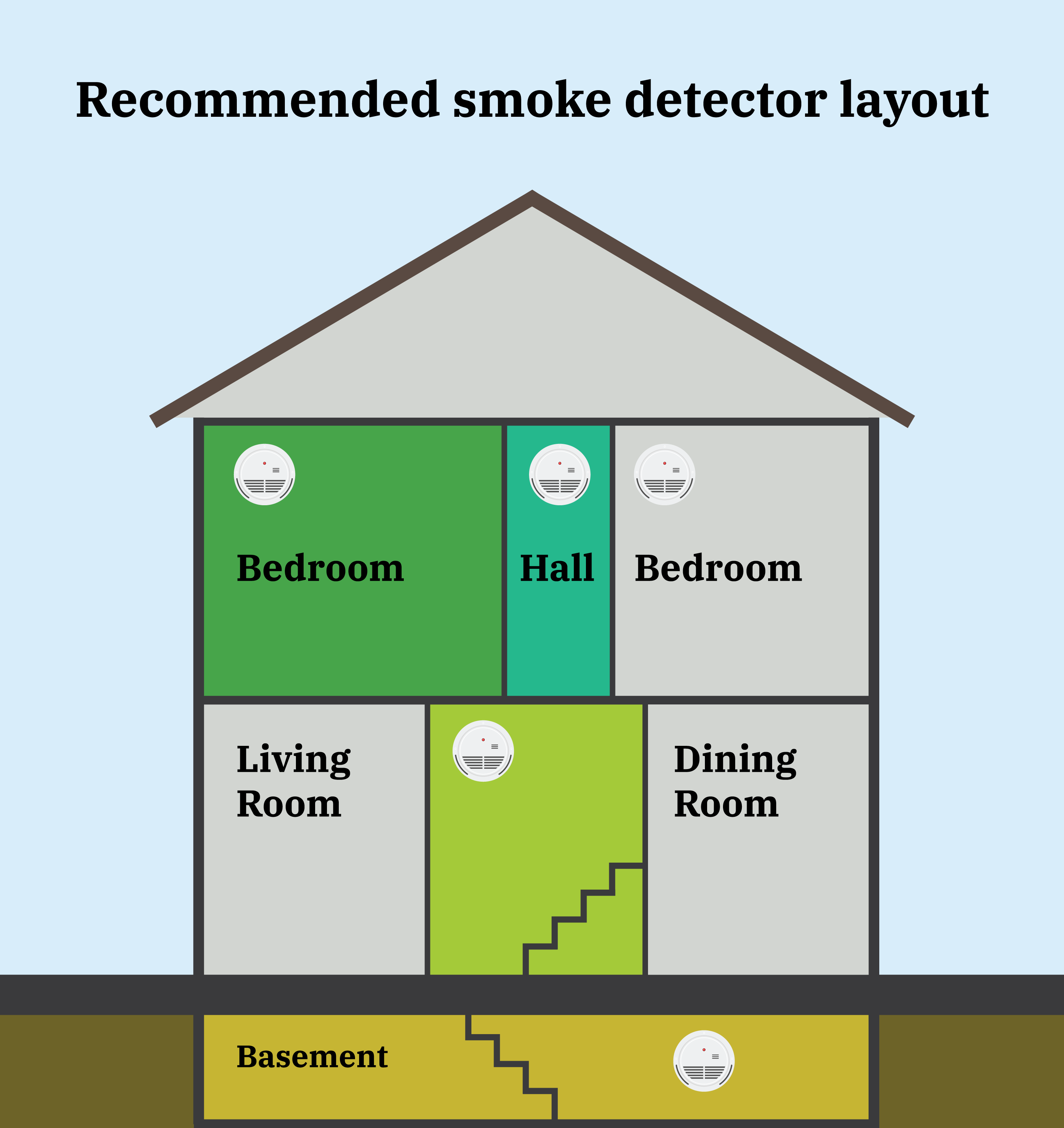
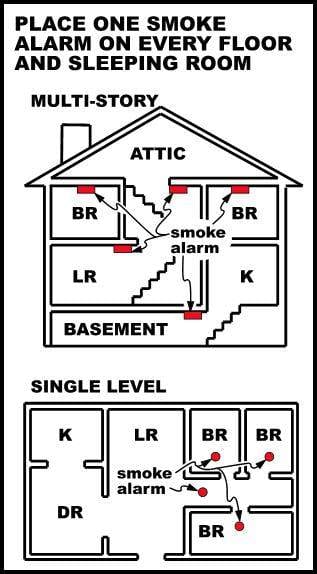
Place a smoke detector inside every bedroom. This alerts sleeping people quickly. Also, install one just outside each sleeping area. This covers hallways or shared spaces near bedrooms. These detectors give early warning during nighttime fires.
Living Rooms And Common Areas
Living rooms need at least one smoke detector. Large common areas may require more than one. Put alarms on the ceiling or high on walls. This ensures smoke is detected fast in busy rooms.
Kitchens And Utility Rooms
Avoid placing smoke detectors too close to kitchens. Cooking smoke can cause false alarms. Instead, install detectors at least 10 feet from cooking appliances. Utility rooms with dryers or heaters should have one detector each. This helps catch fires from electrical or appliance issues.
Basements And Attics
Basements need one smoke detector near the stairs. This warns people before smoke reaches living areas. Attics often have electrical wiring or heat sources. Place a detector in the attic if you use it regularly or store flammable items. This adds extra safety to less-used spaces.
Placement Tips
Proper placement of smoke detectors is crucial for safety. Correct spots help catch smoke early. Poor placement may cause missed alarms or false alerts. Follow these tips for the best detector positions.
Optimal Ceiling Locations
Place smoke detectors on every level of your home. Install one inside each bedroom and outside sleeping areas. The ceiling is best because smoke rises quickly. Keep detectors at least 4 inches away from walls. Avoid corners where air may not flow well.
Avoiding False Alarms
Do not install detectors too close to kitchens or bathrooms. Steam and cooking smoke can trigger false alarms. Keep detectors 10 feet away from cooking appliances. Avoid placing detectors near windows or vents. Drafts can interfere with sensor accuracy.
Interconnected Detectors
Use interconnected smoke detectors for better safety. When one alarm sounds, all alarms ring. This alerts everyone, even if they are in different rooms. Wireless models are easy to install and connect. Interconnected detectors increase response time in emergencies.

Credit: ismarthomesecurity.com
Local Codes And Standards
Local codes and standards play a key role in deciding how many smoke detectors your home needs. These rules help keep your family safe by setting clear guidelines. Following them ensures you meet legal safety requirements and reduce fire risks.
Building Code Requirements
Building codes vary by city and state. They set the minimum number of smoke detectors for each home. Usually, codes require detectors in every bedroom, outside sleeping areas, and on every floor. Some areas demand detectors in basements and attics too. Checking your local building code helps you install the right number. Meeting these rules can prevent fines and keep your insurance valid.
National Fire Protection Association Guidelines
The National Fire Protection Association (NFPA) offers nationwide safety advice. Their standard, NFPA 72, recommends a smoke detector inside each bedroom. It also suggests one outside all sleeping areas and one on every floor. The NFPA advises interconnected detectors. This means when one alarm sounds, all alarms ring. This system gives early warning across the whole house, improving safety for everyone.
Maintenance And Testing
Smoke detectors keep your home safe by alerting you early to fire. Proper maintenance and regular testing ensure they work well at all times. Neglecting these can lead to false alarms or, worse, no warning during a fire.
Regular Testing Schedule
Test your smoke detectors once every month. Press the test button until the alarm sounds loud. This confirms the device is working properly. Mark your calendar or set a phone reminder. Regular checks keep your family safe.
Battery Replacement
Change batteries at least once a year, even if the alarm sounds fine. Some models beep when batteries run low. Use fresh, quality batteries for best results. Keeping batteries fresh prevents failures during emergencies.
When To Replace Detectors
Smoke detectors do not last forever. Replace each unit every 10 years or as the manufacturer says. Old detectors may fail to detect smoke. Write the installation date on the device to track its age.
Credit: georgebrazilplumbingelectrical.com
Additional Safety Devices
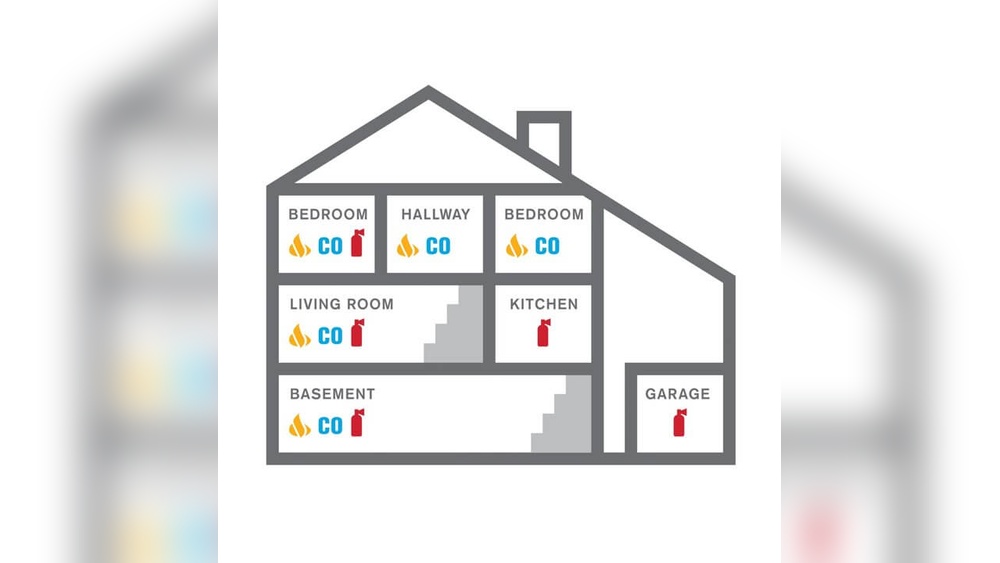
Safety in your home goes beyond just smoke detectors. Other devices help protect your family from different dangers. These tools detect invisible threats and alert you early. They work together with smoke alarms for full protection. Understanding these devices helps you make smart safety choices.
Carbon Monoxide Detectors
Carbon monoxide (CO) is a dangerous gas you cannot see or smell. It comes from burning fuels like gas, wood, or charcoal. CO can cause sickness or death if it builds up indoors. A carbon monoxide detector warns you if CO is in the air. Place one near sleeping areas to stay safe at night. Test the detector regularly to ensure it works well.
Combination Smoke And Co Alarms
Combination alarms detect both smoke and carbon monoxide. They save space and money by doing two jobs in one device. These alarms provide alerts for fires and CO leaks. Install them on every level of your home, especially near bedrooms. Check the battery often and replace the unit every 7-10 years. Combination alarms add a strong layer of safety for your family.
Frequently Asked Questions
How Many Smoke Detectors Are Recommended Per House?
Experts suggest installing at least one smoke detector on every floor. Include detectors inside bedrooms and outside sleeping areas for safety.
Where Should Smoke Detectors Be Placed In A Home?
Place detectors in hallways, near bedrooms, and on every level. Avoid kitchens to reduce false alarms but keep detectors nearby.
How Often Should I Replace My Smoke Detectors?
Smoke detectors should be replaced every 10 years. Regular testing and battery changes every six months ensure they work properly.
Can Interconnected Smoke Detectors Improve Home Safety?
Yes, interconnected detectors alert the entire house if one detects smoke. This early warning can save lives by providing faster alerts.
Conclusion
Every home needs enough smoke detectors for safety. Place them near bedrooms and on every floor. Check local rules for exact numbers and spots. Test detectors monthly to keep them working well. Replace batteries once a year or as needed.
Smoke detectors save lives by warning early. Don’t wait to install or maintain them. Keep your family safe with proper smoke detector use. Simple steps protect what matters most.