
Choosing the right pet gate can make a huge difference in your home. It’s not just about keeping your furry friend safe—it’s about making your life easier too.
But with so many options out there, how do you find the perfect one for your space and pet? You want a gate that fits your needs, looks good, and keeps your pet comfortable. Keep reading, and you’ll discover simple tips to pick the best pet gate without stress or guesswork.
Your home—and your pet—will thank you.

Credit: wagwalking.com
Benefits Of Pet Gates
Pet gates offer many benefits for pet owners. They help keep your home safe and organized. Using a pet gate is a simple way to manage your pet’s space. It protects both your pet and your belongings from harm. Below are some key benefits of using pet gates.
Enhancing Home Safety
Pet gates create a barrier to dangerous areas in your home. They stop pets from reaching stairs or kitchens. This lowers the risk of accidents. Gates also prevent pets from escaping outside unsafely. They keep your home safer for pets and family members.
Managing Pet Movement
Pet gates help control where your pet can go. You can block off rooms or sections easily. This is useful during training or when guests arrive. Gates keep pets out of places where they should not be. It makes managing your pet’s movement simple and stress-free.
Protecting Pets And Belongings
Pets often chew or damage furniture and items. Gates protect your belongings by limiting pet access. They also protect pets from harmful objects or areas. Keeping pets in safe zones reduces the chance of injury. Gates create a secure space for pets to relax.
Credit: www.homedepot.com
Types Of Pet Gates
Pet gates help keep pets safe and rooms clean. They stop pets from going where they should not. Different types of gates fit different homes and pets. Knowing the types helps you choose the best one. Here are the main types of pet gates you can find.
Pressure-mounted Gates
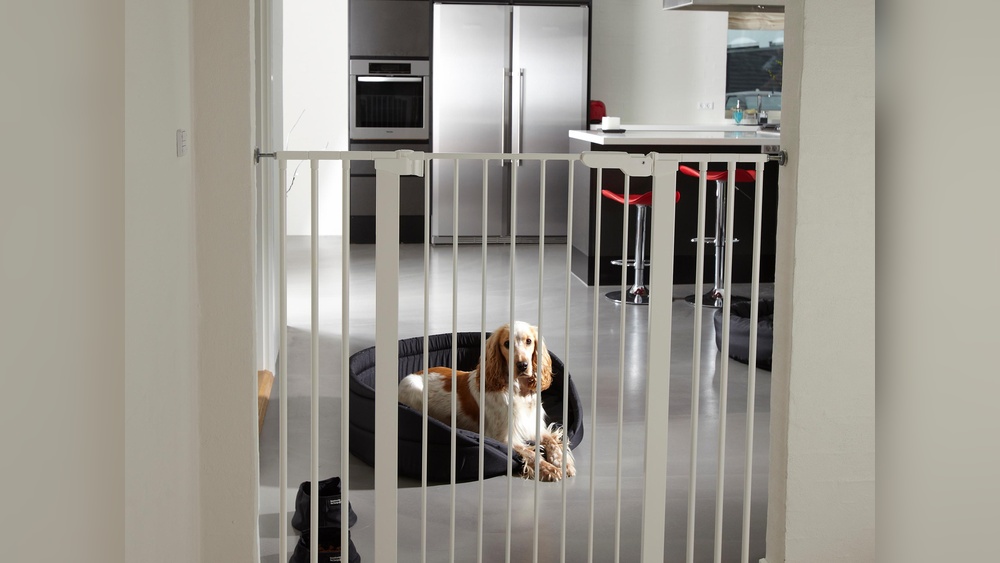
Pressure-mounted gates fit between two walls or door frames. They use pressure to stay in place. No drilling or screws needed. Easy to install and remove. Best for doorways or halls. Not very strong for large or strong pets. Good for temporary use or renters.
Hardware-mounted Gates
Hardware-mounted gates attach to walls with screws. Very strong and secure. Best for stairs and high-traffic areas. Can hold back big or active pets. Needs tools and some work to install. Not easy to move once set up. Gives a permanent pet barrier.
Freestanding Gates
Freestanding gates do not need walls. They stand on their own. Easy to move and place anywhere. Great for open spaces or rooms without door frames. Usually lightweight and foldable. Not the best for strong or jumping pets. Offers flexible pet control.
Retractable Gates
Retractable gates roll out like a tape measure. They attach to a wall or frame. Saves space when not in use. Good for wide openings or odd shapes. Can be tricky for pets to see. Best for calm pets and light use. Modern and stylish pet barrier choice.
Materials And Durability
Choosing the right material for a pet gate matters a lot. It affects the gate’s strength and how long it lasts. Different materials suit different needs and spaces. Some materials offer a classic look, while others focus on toughness or easy cleaning. Understanding each type helps you pick the best gate for your pet and home.
Wooden Gates
Wooden gates bring a warm, natural feel to your home. They blend well with many decors. These gates are strong but can wear out over time. Wood may get scratched or chewed by pets. Proper sealing protects wood from moisture and damage. They suit calm pets that do not push hard.
Metal Gates
Metal gates stand out for their toughness. Made from steel or iron, they resist bending and breaking. Metal gates hold up well against strong dogs. Most metal gates come with a powder coat to stop rust. They are easy to clean and maintain. Metal is perfect for busy homes with active pets.
Plastic Gates
Plastic gates offer lightweight and easy handling. They resist moisture and do not rust. Plastic gates often come with flexible designs and bright colors. They suit small pets and indoor use. While not as strong as metal or wood, plastic gates are budget-friendly. Ideal for quick setups and less demanding spaces.
Size And Height Considerations
Choosing the right size and height for your pet gate is very important. A gate that fits well keeps your pet safe and your home organized. Size and height depend on your space and the type of pet you have. Measuring carefully and picking the correct height can stop pets from jumping or squeezing through.
Measuring Doorways And Spaces
Start by measuring the width of the doorway or space where you want the gate. Use a tape measure and note the exact width. Measure at the top, middle, and bottom because some spaces are not even. Choose a gate that fits within these measurements. Leave a small gap for easy installation but avoid too much space. Check the depth of the wall if the gate needs to fit inside a frame.
Choosing Gate Height For Different Pets
The height of the gate should match your pet’s size and jumping ability. Small dogs and puppies need shorter gates, usually around 24 inches tall. Medium dogs require gates 30 to 36 inches high. Large dogs or pets that jump high need gates 36 inches or taller. Cats and very active pets may need even taller gates. Make sure the height stops your pet from climbing or jumping over.
Safety Features To Look For
Choosing the right pet gate means focusing on safety first. A good gate keeps pets safe and stops accidents. Some features make a gate safer than others. These features protect your pet and give you peace of mind.
Secure Locking Mechanisms
Locks should be strong and easy for adults to use. They must prevent pets from opening the gate alone. Look for gates with childproof locks. These locks keep curious pets and toddlers safe.
Non-toxic Finishes
The gate’s finish should be safe if your pet chews it. Paints and coatings must not contain harmful chemicals. Non-toxic finishes protect your pet’s health. This keeps your home safer for everyone.
Sturdy Construction
The gate needs to hold up against strong pets. Materials like metal or strong wood work best. Sturdy gates do not tip over easily. A solid gate keeps pets contained and prevents injuries.
Ease Of Installation And Use
Choosing a pet gate means thinking about ease of installation and use. A gate should fit well and be simple to set up. It should also be easy to open and close every day. This saves time and keeps pets safe without hassle. Simple steps can make a big difference in your experience with the gate.
Diy Installation Tips
Most pet gates come with clear instructions. Read them before starting. Use a tape measure to check the space. Mark the spots where screws or pressure mounts go. Use a level to keep the gate straight. Tighten all screws firmly but not too tight. Test the gate’s fit and swing after installation. Adjust if needed to avoid gaps.
Portability And Adjustability
Choose a gate that moves easily between rooms. Lightweight gates allow quick changes without tools. Adjustable gates fit different doorways or openings. Look for models that expand or contract smoothly. Some gates fold flat for storage or travel. Portability helps if you rent or change spaces often.
Budget And Price Range
Choosing the right pet gate depends a lot on your budget. Pet gates come in many price ranges. Setting a clear budget helps narrow your choices. It ensures you find a gate that fits your needs without overspending. Even with a small budget, good quality gates exist. On the other hand, higher prices often bring extra features. Understanding what fits your budget guides your buying decision.
Affordable Options
Affordable pet gates offer basic safety and function. They usually come in simple designs and materials. Many are made of plastic or lightweight metal. These gates work well for small pets and low-traffic areas. They are easy to install and move around. Affordable options often lack advanced locking systems. They provide a good balance of price and utility. Perfect for pet owners on a tight budget.
Premium Features Worth Paying For
Premium pet gates offer stronger build and stylish designs. Many have durable wood or heavy-duty metal frames. They include features like walk-through doors or automatic closures. These gates suit large pets or busy homes. Some models have pressure-mounted or hardware-mounted options. Premium gates often last longer and resist damage. Paying more can mean better safety and convenience. Worth considering if budget allows and quality is a priority.

Credit: www.amazon.com
Common Mistakes To Avoid
Choosing the right pet gate can be tricky. Many pet owners make simple mistakes that cause problems later. Avoiding these errors saves time and keeps pets safe. Below are common mistakes to watch out for.
Choosing The Wrong Size
Size matters a lot for pet gates. A gate too small will not block pets effectively. A gate too large may not fit your doorway or stairs. Measure the space carefully before buying. Check your pet’s size too. Make sure the gate is tall enough to stop jumping pets. Proper size ensures the gate works well.
Ignoring Pet Behavior
Every pet acts differently around gates. Some dogs push or chew gates. Cats may climb over them. Think about your pet’s habits. Choose a gate that fits their behavior. For strong pets, pick sturdy gates. For climbers, pick gates with no footholds. Understanding pet behavior helps prevent escapes.
Overlooking Safety Standards
Safety is key for pet gates. Not all gates meet safety rules. Look for gates tested for stability and strength. Avoid gates with sharp edges or gaps. Check if the gate locks securely. A safe gate protects pets from harm. Always pick gates that follow safety standards.
Frequently Asked Questions
What Factors Should I Consider When Choosing A Pet Gate?
Consider size, material, safety features, and installation type. Ensure the gate fits your pet’s size and your space. Check for sturdy construction and easy installation to keep pets secure.
Which Pet Gate Type Is Best For Large Dogs?
Hardware-mounted gates offer the best stability for large dogs. They are more secure and durable than pressure-mounted gates. Choose gates made of strong metal or wood to withstand large pets.
Can Pet Gates Prevent Pets From Accessing Stairs Safely?
Yes, pet gates can block stairs effectively. Use hardware-mounted gates for extra security on stairways. Always check gate height and latch strength to prevent pets from slipping through.
How Do I Measure Space Correctly For A Pet Gate?
Measure the width of the opening where you want the gate. Add a few inches for adjustable gates. Accurate measurement ensures a snug fit to keep pets safely contained.
Conclusion
Choosing the right pet gate keeps your home safe and your pet happy. Think about your pet’s size and behavior first. Measure your space to find the perfect fit. Consider materials that last and are easy to clean. Gates with secure locks help prevent escapes.
Remember, a good pet gate creates a safe, comfortable area. Take your time to pick the best one for your needs. Your pet will thank you with peace and fun. Simple steps lead to the best choice for your home.