
Your smoke detector is your silent guardian, alerting you to danger when you least expect it. But did you know that dust and dirt can stop it from working properly?
Cleaning your smoke detector sensor is simple, yet often overlooked. You’ll discover easy steps to keep your detector in top shape, ensuring it protects you and your loved ones effectively. Keep reading, because a little maintenance now can save you from big risks later.
Why Clean Smoke Detectors
Smoke detectors save lives by alerting you to fire early. Keeping them clean is very important. Dust and dirt can block sensors. This stops smoke detectors from working well. Regular cleaning helps them stay ready and reliable.
Impact Of Dust And Debris
Dust and debris gather inside smoke detectors over time. This buildup can stop the sensor from sensing smoke. False alarms may also happen because of dirt. Cleaning removes these particles and keeps the detector clear.
Improved Sensor Accuracy
A clean sensor detects smoke faster and more accurately. It reacts quickly during a fire. This can give you extra time to act. Clean detectors reduce the risk of missing real danger.
Extended Device Lifespan
Dust and dirt can wear out smoke detectors faster. Cleaning helps prevent damage to sensitive parts. This keeps the device working longer. It also saves money by avoiding early replacements.
Credit: www.yourblazeguard.com
Tools Needed For Cleaning
Cleaning your smoke detector sensor is easy with the right tools. Having simple items makes the job faster and safer. These tools help remove dust and debris that block the sensor. Keep your smoke detector working well by using these items.
Soft Brush
A soft brush is perfect for gentle cleaning. It removes dust without damaging the sensor. Use a small paintbrush or a clean makeup brush. Brush lightly around the sensor’s surface and vents. This clears dirt without harming sensitive parts.
Vacuum Cleaner With Brush Attachment
The vacuum cleaner’s brush attachment helps suck up loose dust. It cleans hard-to-reach areas around the smoke detector. Use low suction to avoid damage. Move the brush gently over the sensor’s openings. This removes dirt without pushing it inside.
Compressed Air Canister
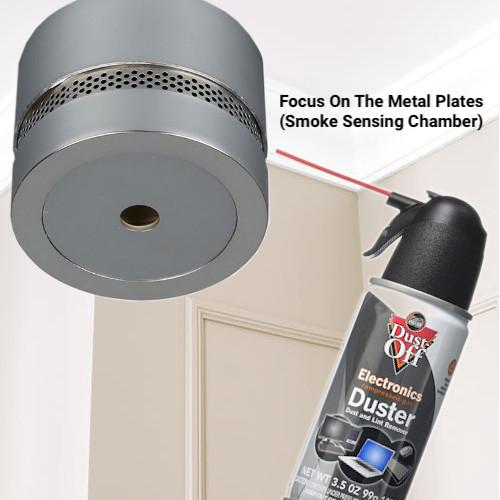
Compressed air pushes out dust from tight spots. Use short bursts to avoid moisture buildup. Hold the can upright to keep it dry. Blow air into the sensor’s vents carefully. This clears hidden dust and helps the sensor work better.
Microfiber Cloth
A microfiber cloth wipes the outer cover clean. It traps dust and dirt without scratching. Lightly dampen the cloth with water for better cleaning. Wipe the smoke detector’s surface gently. This keeps the detector looking clean and clear.
Safety Precautions Before Cleaning
Cleaning a smoke detector sensor is important for safety and proper function. Before you start, follow key safety steps. These steps protect you and your device during cleaning.
Turn Off Power Supply
Always turn off the power to the smoke detector first. This stops accidental alarms or shocks. You can switch off the circuit breaker or remove the device’s battery. Double-check to ensure no power is running.
Wear Protective Gear
Wear gloves and a mask before cleaning the sensor. Dust and debris can irritate your skin and lungs. Protective gear keeps you safe from harmful particles. It also prevents dirt from spreading to other areas.
Avoid Harsh Chemicals
Use only mild cleaning solutions or a dry cloth. Harsh chemicals can damage the sensor. Avoid sprays, bleach, or strong cleaners. These can reduce the detector’s sensitivity and cause malfunction.
Step-by-step Cleaning Process
Cleaning your smoke detector sensor is important for safety. Dust and dirt can block the sensor. This might stop the alarm from working properly. Follow these simple steps to clean your smoke detector carefully. This keeps it ready to alert you in case of fire.
Remove The Detector From Ceiling Or Wall
Turn off the power to the smoke detector. This stops any accidental alarms. Gently twist or slide the detector off its base. Keep the base attached to the ceiling or wall. Place the detector on a soft surface to avoid damage.
Open The Detector Cover
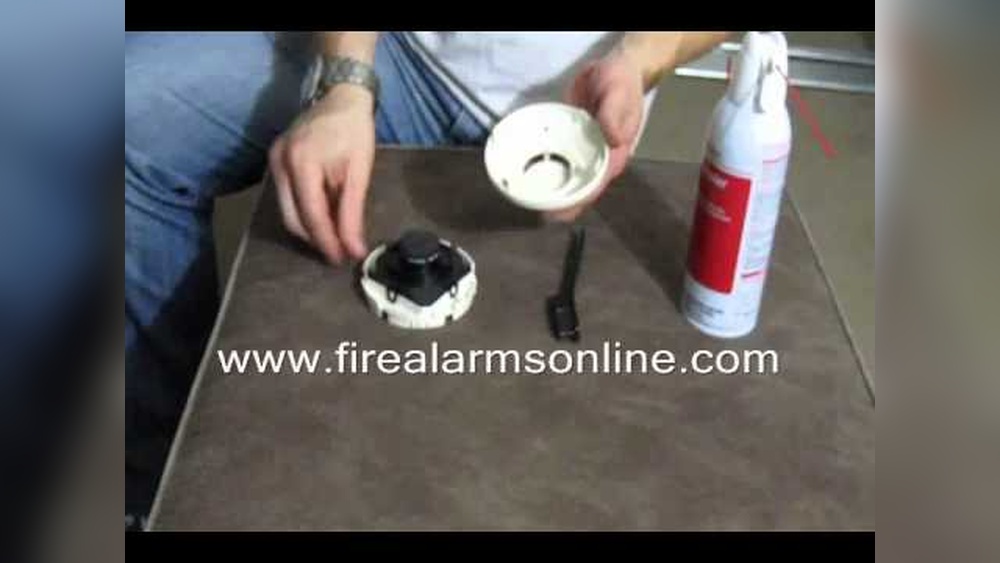
Look for clips or a small latch on the detector. Press or lift it to open the cover. Be careful not to break any parts. The sensor and battery will be visible inside. Remove the battery if possible for safety.
Clean The Sensor And Interior
Use a soft brush or a can of compressed air. Gently clean the sensor and the inside parts. Remove all dust and cobwebs. Avoid using water or cleaning sprays. These can damage the sensor and stop it working.
Reassemble And Reinstall
Replace the battery if you removed it. Close the cover carefully. Align the detector with its base on the ceiling or wall. Twist or slide it back into place. Turn the power back on and test the alarm.
When To Replace Smoke Detectors
Knowing when to replace a smoke detector is crucial for home safety. Smoke detectors do not last forever. Over time, their sensors can fail or become less sensitive. Replacing old or malfunctioning detectors ensures they work properly during emergencies. Regular checks and timely replacements keep your home protected.
Signs Of Sensor Malfunction
Smoke detectors may show clear signs when sensors fail. False alarms without smoke or steam can indicate problems. The alarm may not sound during tests or actual smoke events. A weak or no beep during battery tests also signals sensor issues. Dust buildup can cause sensor errors too. Watch for any unusual behavior from your detector.
Recommended Replacement Timeline
Experts suggest replacing smoke detectors every 10 years. Sensors degrade and become less reliable after this time. Check the manufacture date on the back of the detector. Replace the unit if it is older than 10 years. Early replacement can prevent sensor failure and false alarms. Keep a schedule to update detectors regularly for safety.

Credit: www.wirechiefelectric.com
Maintenance Tips For Long-term Safety
Keeping your smoke detector in good shape is key for safety. Regular care helps it work well over time. Simple steps keep your home protected from fire dangers. Follow these tips for long-term safety.
Regular Testing
Test your smoke detector once a month. Press the test button until you hear the alarm. This check ensures the sensor and sound work properly. If no sound comes, replace batteries or the unit.
Scheduled Cleaning
Dust and dirt can block the sensor. Clean your detector every six months. Use a soft brush or vacuum with a soft brush attachment. Avoid water or cleaning sprays. Keep the sensor free from debris to stay sensitive.
Battery Replacement
Change batteries at least once a year. Low batteries make alarms weak or silent. Use fresh batteries recommended by the manufacturer. Always check the battery status during your monthly tests.

Credit: www.youtube.com
Frequently Asked Questions
How Often Should I Clean A Smoke Detector Sensor?
You should clean your smoke detector sensor every six months. Regular cleaning ensures it functions properly and detects smoke effectively. Dust and debris can cause false alarms or sensor failure, so maintaining cleanliness is crucial for safety.
What Tools Do I Need To Clean A Smoke Detector Sensor?
To clean a smoke detector sensor, use a soft brush, vacuum cleaner with a soft brush attachment, and a dry cloth. Avoid using water or cleaning solvents, as they can damage the sensor’s components.
Can I Clean A Smoke Detector Sensor Without Removing It?
It is best to remove the smoke detector sensor before cleaning. Removing it allows you to access all parts and clean thoroughly. However, gentle vacuuming around the sensor without removal can help with light dust buildup.
Is It Safe To Clean A Smoke Detector Sensor Myself?
Yes, it is safe to clean a smoke detector sensor yourself. Ensure you turn off the power or remove the batteries before cleaning. Follow manufacturer instructions to avoid damaging the device or compromising its safety features.
Conclusion
Cleaning your smoke detector sensor keeps it working well and safe. Dust and dirt can stop it from sensing smoke quickly. Regular cleaning helps avoid false alarms and ensures proper function. Use a soft brush or vacuum to remove debris gently.
Check the sensor every few months to keep it clear. A clean smoke detector can save lives by alerting you early. Don’t forget to test your detector after cleaning to confirm it works. Simple steps like these protect your home and family effectively.