How often should you replace your smoke detector? It’s a question many people overlook until it’s too late.
Your smoke detector is one of the most important devices in your home. It can save your life and protect your loved ones from danger. But if it’s old or not working properly, it may fail when you need it most.
You’ll learn the simple steps to keep your smoke detector reliable and know exactly when it’s time to get a new one. Don’t wait until it’s too late—read on to make sure your home stays safe.
Importance Of Smoke Detectors
Smoke detectors save lives by warning of fire early. They give precious seconds to escape danger. Homes and buildings need reliable smoke detectors. They protect families, pets, and belongings from fire harm. Knowing their importance helps keep everyone safe.
Role In Fire Safety
Smoke detectors detect smoke before flames spread. They alert people with loud alarms. This early warning reduces injuries and death. Firefighters can respond faster with alarms. Smoke detectors also lower property damage. They help prevent fires from becoming disasters.
Common Types Of Smoke Detectors
Two main types exist: ionization and photoelectric. Ionization detectors sense fast, flaming fires. Photoelectric detectors catch slow, smoldering fires. Some models combine both technologies for better safety. Battery-powered and hardwired options are available. Choose detectors that suit your home needs.
Credit: support.firstalert.com
Recommended Replacement Timeframes
Knowing the right time to replace your smoke detector is very important. Smoke detectors lose sensitivity over time. This can make them less effective during a fire. Following the recommended replacement timeframes helps keep your home safe.
Replacing detectors on time ensures they work well when needed. It also reduces false alarms and maintenance issues. Let’s explore the key signs and guidelines for replacement.
Manufacturer Guidelines
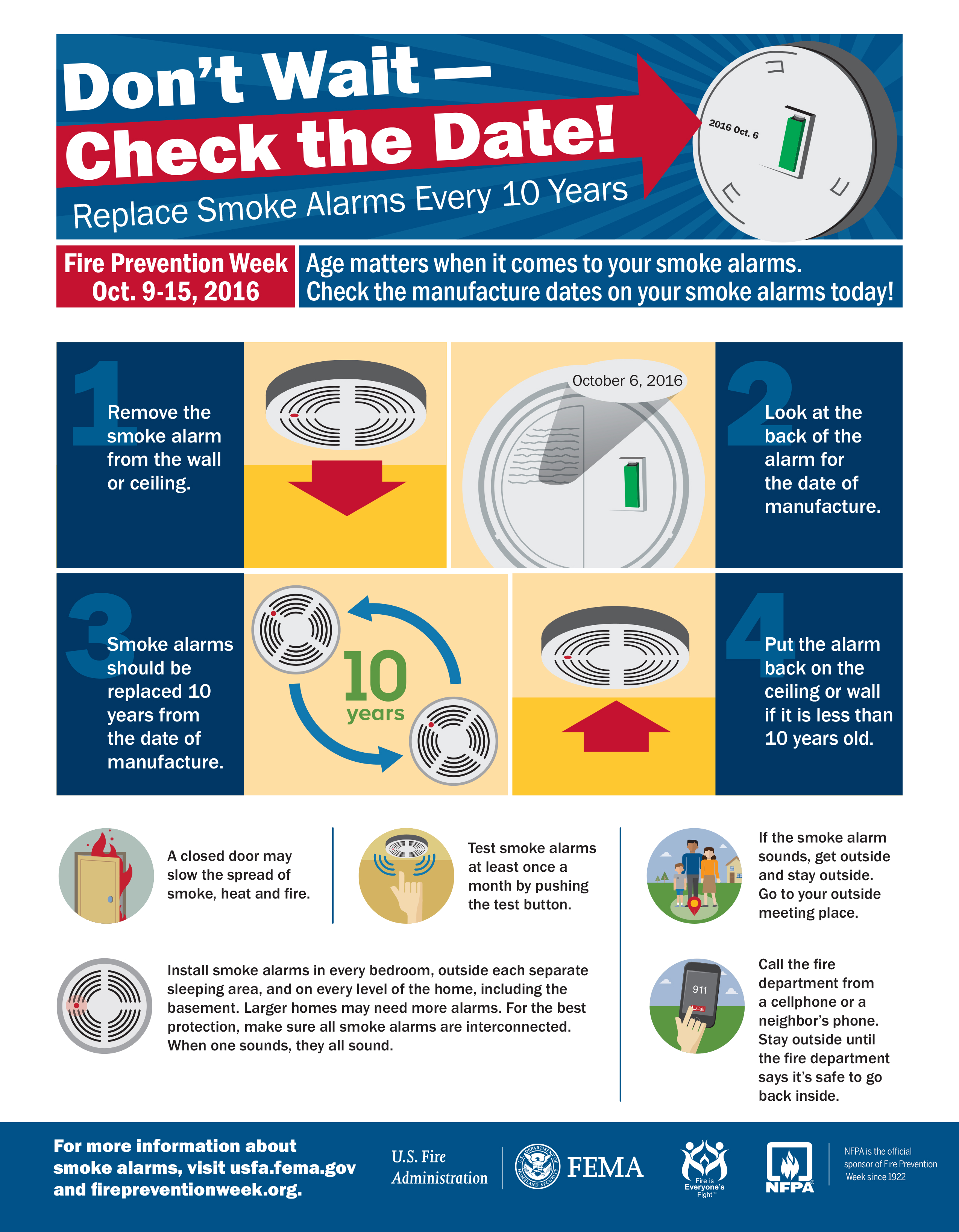
Most smoke detector makers suggest replacing the unit every 10 years. This is the general rule for both battery-operated and hardwired models. Some brands may have shorter or longer timelines. Always check the user manual or label on the device. The date of manufacture is often printed on the back. Use this date to track the detector’s age. Following the manufacturer’s advice keeps your system reliable.
Signs Of Aging Detectors
Smoke detectors show signs when they are old or faulty. Frequent false alarms can mean the sensor is wearing out. The detector might not beep loudly or at all during tests. Dust and dirt buildup also affect performance. If cleaning does not fix issues, replacement is needed. Physical damage like cracks or corrosion is another warning. An old detector may have a faded or yellowed casing. These signs suggest it is time to buy a new one.
Testing And Maintenance Tips
Keeping your smoke detector working well is very important. Testing and maintenance help ensure it can alert you in time. Simple steps keep your home safer. Regular care makes a big difference.
Regular Testing Procedures
Test your smoke detector once a month. Press and hold the test button until you hear a loud beep. This sound means the alarm is working. If no sound, check the battery or replace the unit. Clean the detector with a soft brush or vacuum. Dust can block the sensor and stop it from working. Avoid spraying cleaner or water on the device. Keep it clear of paint or decorations.
Battery Replacement Frequency
Change the batteries twice a year. A good time is during daylight saving changes. Use fresh, high-quality batteries for best results. Some smoke detectors have sealed batteries that last 10 years. For these, replace the entire unit after 10 years. Always replace batteries if the alarm beeps weakly or often. Never ignore the low-battery warning sound.
Credit: yubanet.com
Factors Affecting Smoke Detector Lifespan
Many factors affect how long a smoke detector lasts. Knowing these helps keep your home safe. Smoke detectors do not last forever. Their lifespan depends on several conditions around and usage habits.
Environmental Influences
Smoke detectors in dusty areas may wear out faster. Dust clogs sensors and lowers sensitivity. High humidity can also damage internal parts. Extreme temperatures cause plastic and batteries to break down. Cooking smoke or steam triggers false alarms. This can shorten the device’s life. Proper placement avoids these issues and extends lifespan.
Usage Patterns
Frequent testing can reduce battery life quickly. Using the silence button often may stress the device. Battery type matters. Some last longer than others. Older models with disposable batteries need more frequent replacement. Newer ones have longer-lasting batteries. Regular maintenance helps smoke detectors perform well for many years.
Upgrading To Advanced Models
Replacing your smoke detector is important, but upgrading to advanced models offers many benefits. Modern detectors have improved technology that increases safety and ease of use. These models often last longer and provide better alerts. Choosing an advanced smoke detector can give you peace of mind and better protection for your home.
Benefits Of Modern Detectors
Modern smoke detectors are more reliable than older versions. They detect smoke faster and reduce false alarms. Many models have longer battery life, meaning fewer replacements. Some come with silence buttons to stop nuisance alarms quickly. Advanced detectors often have clear voice alerts, helping everyone understand the danger. These features make homes safer and more comfortable.
Smart Smoke Detectors
Smart smoke detectors connect to your phone or smart home system. They send alerts directly to your device, even when you are away. These detectors can check their own batteries and warn you when they need attention. Many smart models link with other safety devices for better home protection. They allow you to test and control your alarm remotely. Smart smoke detectors add convenience and stronger safety.
Safety Tips For Installation
Installing smoke detectors correctly ensures they work well during emergencies. Poor installation can cause false alarms or missed warnings. Follow these safety tips for a safe home.
Ideal Placement
Place smoke detectors on every level of your home. Install one inside each bedroom and outside sleeping areas. Mount detectors on the ceiling or high on walls. Keep them at least 10 feet from cooking appliances. Avoid placing detectors near windows, doors, or vents. These areas can affect their sensitivity.
Avoiding Common Mistakes
Do not install smoke detectors in bathrooms or kitchens. Steam and cooking fumes can trigger false alarms. Avoid placing detectors in dusty or dirty areas. Dust can block sensors and reduce their effectiveness. Test detectors monthly and replace batteries yearly. Never paint over smoke detectors. This can block smoke detection. Follow manufacturer instructions carefully during installation.

Credit: mammothsecurity.com
Frequently Asked Questions
How Often Should Smoke Detectors Be Replaced?
Smoke detectors should be replaced every 10 years. Over time, sensors lose effectiveness. Regular replacement ensures maximum safety and early fire detection.
Can I Extend My Smoke Detector’s Life Span?
No, smoke detectors cannot be safely extended beyond 10 years. Aging components reduce reliability. Replace detectors promptly to maintain home safety.
What Signs Show A Smoke Detector Needs Replacement?
Frequent false alarms, failure to sound during tests, or physical damage indicate replacement. Also, check the manufacturing date on the unit.
How Do I Safely Dispose Of Old Smoke Detectors?
Recycle old smoke detectors at designated facilities. Many contain small amounts of radioactive material. Check local regulations for safe disposal methods.
Conclusion
Smoke detectors save lives by warning about fires early. Replace them every 10 years for best protection. Old detectors may not work well or fail completely. Test your smoke alarms monthly to check they work. Change batteries at least once a year or when low.
Keeping detectors updated helps keep your home and family safe. Don’t wait until it’s too late. Stay prepared with working smoke detectors. Simple steps can prevent disaster and protect what matters most.