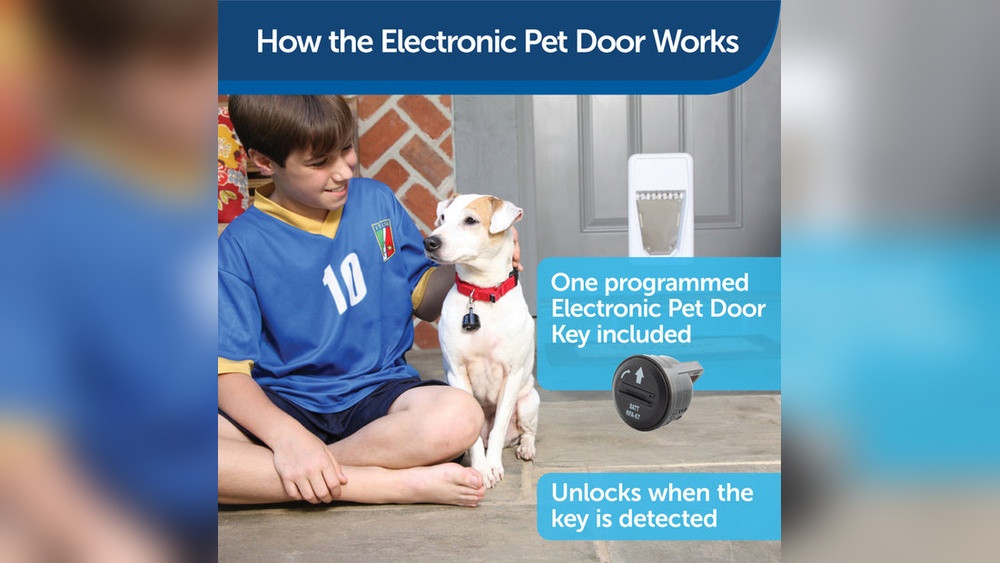

Have you ever wondered how electronic pet doors work and if they could make life easier for you and your furry friend? Imagine giving your pet the freedom to come and go without you constantly opening the door.
Electronic pet doors do just that, but how exactly do they know when to let your pet in or out? You’ll discover the simple technology behind these smart doors and how they keep your home secure while giving your pet independence.
Keep reading to find out if an electronic pet door is the right choice for your home.
Types Of Electronic Pet Doors
Electronic pet doors offer convenience and security by allowing only your pets to enter or exit. Various types use different technology to recognize your pet. Each type has its unique features and benefits. Understanding these helps choose the right door for your home and pet.
Magnetic Collar Sensors
These doors work with a collar that has a small magnet. The door unlocks when the magnet comes near. It keeps other animals out. Simple and effective for pets that wear collars.
Radio Frequency Identification (rfid)
RFID pet doors use a tag on your pet’s collar. The door reads the tag’s signal and opens automatically. This system is very accurate and fast. It works well for both cats and dogs.
Infrared And Motion Sensors
Infrared sensors detect your pet’s body heat or movement. The door opens when your pet approaches. It does not need a collar or tag. Useful for pets that dislike wearing collars.
Smartphone-controlled Doors
These doors connect to your phone via an app. You can open or close the door remotely. Some models notify you when your pet uses the door. It offers high control and convenience.

Credit: www.petdoors.com
Core Components Of Smart Pet Doors
Smart pet doors offer pets freedom and keep homes secure. These doors use technology to control when pets enter or exit. The core parts work together to make this happen smoothly. Understanding these parts helps to choose the right door for your pet.
Sensors And Detectors
Sensors detect your pet near the door. Most use a collar tag or microchip signal. The door stays locked until the sensor reads your pet’s signal. This stops other animals from entering. Sensors are quick to respond, so pets don’t wait long.
Locking Mechanisms
The locking system controls the door’s opening and closing. It unlocks only when the sensor identifies your pet. This keeps the door secure at all times. Some doors use magnetic locks, while others use motorized latches. The mechanism must be strong but gentle for pets.
Power Sources And Battery Life
Smart pet doors use batteries or electric power. Battery life varies but usually lasts months. Some doors have alerts for low battery. Others connect to home power for constant energy. Reliable power keeps the door working without interruptions.
Connectivity Features
Many smart pet doors connect to Wi-Fi or Bluetooth. This allows remote control via a smartphone app. You can check if the door is locked or unlocked. Some models send alerts when your pet uses the door. Connectivity adds convenience and extra safety.
How Sensors Identify Pets
Electronic pet doors use sensors to recognize pets and allow access. These sensors work by identifying unique signals from pets. This ensures only your pets can enter or exit. The technology prevents unwanted animals from coming inside. Sensors detect pets through tags, chips, or motion. Let’s explore how these sensors identify pets clearly.
Collar Tags And Chips
Many electronic pet doors use collar tags or microchips. Tags send a radio signal to the door’s sensor. The sensor reads this signal to unlock the door. Microchips work the same way but are implanted under the skin. This method is very secure and reliable. Only pets with matching tags or chips can open the door.
Motion Detection Accuracy
Sensors also use motion detection to spot pets nearby. The system checks size, speed, and movement patterns. It ignores large animals or humans to avoid false openings. Good sensors have high accuracy to detect pets only. This reduces door wear and keeps your home safe.
Range And Signal Strength
The sensor’s range defines how far it can detect pets. Strong signals allow pets to trigger the door from a distance. Weak signals might fail to open the door on time. Proper signal strength helps pets enter without waiting. Manufacturers design sensors to balance range and battery life.
Installation And Setup
Installing and setting up an electronic pet door is easier than you might think. It requires careful planning to ensure your pet’s safety and comfort. A few simple steps help the door work smoothly and fit well in your home.
Choosing The Right Door Size
Measure your pet’s height and width first. The door should be large enough for your pet to pass easily. Too small a door may cause discomfort. Too big a door can let in unwanted drafts or pests. Check the product details for size options. Pick a door size that fits your pet perfectly.
Fitting The Door To Your Home
Electronic pet doors work with walls or doors. Choose a spot that your pet uses often. Follow the instructions to cut an opening. Use a level to keep the door straight. Secure the door frame tightly to avoid movement. Seal gaps to keep weather and bugs out. A well-fitted door improves energy efficiency.
Programming And Calibration
Most electronic doors use a collar sensor or microchip reader. Pair your pet’s collar or microchip with the door system. The door only opens when your pet approaches. Set the sensor range to avoid false openings. Test the door several times to ensure correct operation. Adjust settings if the door doesn’t open or close smoothly.
Benefits Of Smart Pet Doors
Smart pet doors offer many advantages over traditional pet doors. They combine technology and convenience to improve pet access and home security. These doors use sensors or microchips to control pet entry and exit. This ensures only your pets can use the door. Let’s explore the key benefits of smart pet doors.
Enhanced Security
Smart pet doors allow only your pets to enter or exit your home. The door reads your pet’s microchip or sensor collar. This prevents stray animals or intruders from coming inside. It keeps your home safe and secure. You can trust your pet door to protect your house.
Convenience For Pet Owners
With smart pet doors, you do not need to open the door manually. Your pets can go out or come back anytime they want. This saves time and effort for pet owners. You can also avoid disturbing your pets or yourself during night hours.
Energy Efficiency
Smart pet doors open only for your pets, not for cold or hot air. This helps keep your home temperature stable. It reduces heating and cooling costs. The door’s tight seal blocks drafts better than regular pet doors.
Controlled Pet Access
You can control when your pets use the door. Some smart doors offer scheduling options. You can block your pet from going outside at certain times. This helps manage your pet’s outdoor activities. It keeps them safe and protected.

Credit: kdfoundation.org
Common Issues And Troubleshooting
Electronic pet doors offer great convenience but can face common issues. Understanding these problems helps keep the door working well. Troubleshooting is often simple and saves time and money.
Some problems come from sensors, power, or connectivity. Pets’ behavior can also cause issues. Each problem needs a different approach to fix it.
Sensor Malfunctions
Sensors detect your pet’s tag or collar to open the door. Dirt or dust can block sensor signals. Clean the sensor regularly with a soft cloth. Sometimes, the sensor may need realignment to detect the tag properly. Replace the tag battery if the sensor does not respond.
Power And Battery Problems
Electronic pet doors need power to work. Check batteries often and replace them as needed. Use fresh, high-quality batteries for longer life. If the door uses a power adapter, ensure it is plugged in securely. Loose connections can stop the door from functioning.
Connectivity Glitches
Some pet doors connect to Wi-Fi or apps for control. Poor Wi-Fi signals can cause delays or failures. Place the router near the door for a stronger signal. Restart your router and pet door device to refresh the connection. Update the door’s software to fix bugs.
Pet Behavior Challenges
Pets may hesitate or refuse to use the door. Train your pet by showing how the door opens. Use treats or toys to encourage use. Some pets need time to adjust to the new door. Check if the door size fits your pet comfortably.
Future Trends In Electronic Pet Doors
Electronic pet doors are evolving fast. New technology will make these doors smarter and easier to use. Pets and owners will both enjoy the benefits. Let’s explore some future trends in electronic pet doors.
Integration With Home Automation
Pet doors will connect with smart home systems. This means you can control the door from your phone. You can check if your pet is inside or outside. The door can lock or unlock automatically. It will work with other devices like cameras and alarms. This adds safety and convenience to your home.
Advanced Ai And Learning Capabilities
Future pet doors will use artificial intelligence (AI). They will learn your pet’s habits and routines. The door will open only for your pet, not other animals. It can recognize your pet’s size and behavior. AI will help reduce false openings. Your pet’s safety and comfort will improve.
Improved Energy Solutions
Energy efficiency is a big focus for new pet doors. Solar power and low-energy sensors will be common. These doors will use less electricity. They may charge during the day and work at night. Better insulation will keep warm or cool air inside. This saves energy and lowers utility bills.
Credit: www.petsmart.com
Frequently Asked Questions
How Do Electronic Pet Doors Detect Pets?
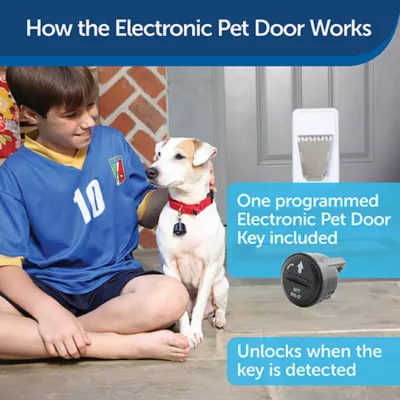
Electronic pet doors use sensors or microchips on pet collars. These sensors communicate with the door to unlock it. Only pets with the programmed sensor can enter or exit. This technology prevents unwanted animals from accessing your home or yard.
What Power Sources Do Electronic Pet Doors Use?
Most electronic pet doors operate on batteries or direct electrical power. Battery-powered doors offer flexibility in placement. Electric models require a nearby outlet but provide continuous power. Some models combine both for backup during power outages.
Are Electronic Pet Doors Safe For Pets?
Yes, electronic pet doors are designed with safety features. They prevent unauthorized animals from entering. Sensors ensure the door only opens for your pet. Many models include locking mechanisms to protect pets indoors at night.
Can Electronic Pet Doors Be Installed Easily?
Installation varies by door type and home structure. Many doors come with detailed instructions and require basic tools. Some models fit into existing doors or walls. Professional installation may be needed for complex setups or larger pets.
Conclusion
Electronic pet doors make life easier for pets and owners. They use sensors or collars to let pets come and go safely. This technology keeps unwanted animals out. Installation is simple and fits most homes. Pets gain freedom without risking safety.
These doors save time and effort daily. Understanding how they work helps you choose the right one. A smart choice for happy pets and peaceful homes.