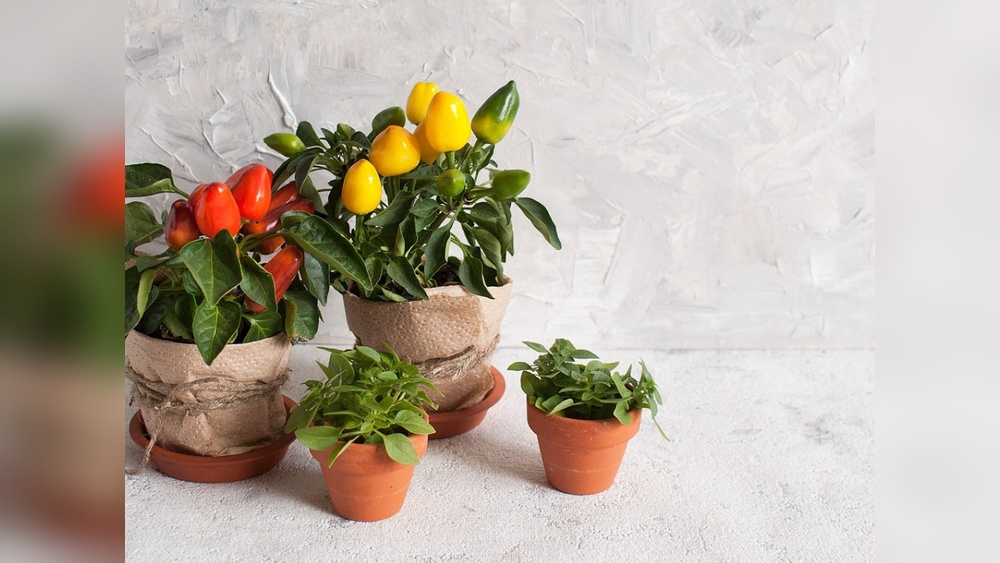

Are you looking to add a splash of vibrant color to your indoor space? Ornamental peppers are a perfect choice—they’re bright, beautiful, and surprisingly easy to care for.
But to keep your peppers thriving and full of life, you need to know a few simple secrets. In this guide, you’ll discover exactly how to care for your ornamental peppers indoors, so they stay healthy and stunning all year round.
Ready to turn your home into a lively pepper paradise? Let’s dive in!
Choosing The Right Peppers
Choosing the right ornamental peppers for indoor growing sets the stage for success. The right variety brings vibrant colors and manageable size to your home. Some peppers thrive better inside due to their size and light needs. Picking the right type helps you enjoy beautiful plants without stress.
Popular Indoor Varieties
Several pepper varieties do well indoors. ‘Black Pearl’ offers shiny black leaves and bright red fruits. ‘Numex Twilight’ shows a rainbow of colors on one plant. ‘Medusa’ has long, twisting peppers that add a unique look. These varieties stay small and produce colorful peppers. They brighten any room with their lively appearance.
Selecting Healthy Plants
Choose plants with strong stems and no spots on leaves. Leaves should be green and firm, not wilted or yellow. Avoid plants with signs of pests or damage. Check the roots if possible; they should be white and firm. Healthy plants adapt better to indoor conditions and grow well.
:strip_icc()/capsicum-new-sangria-b8a7feee-6dd4e4a2ab5045fbb1ec9dcc373a864a.jpg)
Credit: www.bhg.com
Ideal Growing Conditions
Ornamental peppers add vibrant color and charm to indoor spaces. They thrive best under specific conditions. Providing the right environment helps these plants grow strong and healthy. Understanding their ideal growing conditions ensures they stay lively and beautiful.
Light Requirements
Ornamental peppers need bright light to flourish. Place them near a south or west-facing window. They require at least six hours of sunlight daily. Insufficient light causes weak stems and dull leaves. If natural light is low, use a grow light to supplement.
Temperature And Humidity
These peppers prefer warm temperatures between 65°F and 80°F. Avoid cold drafts or sudden temperature changes. They do not tolerate frost. Moderate humidity levels around 50% keep the leaves healthy. Use a humidifier or water tray if the air is dry.
Soil And Pot Selection
Choose well-draining soil to prevent root rot. A mix of potting soil, sand, and compost works well. Select a pot with drainage holes to let excess water escape. The pot size should match the plant’s growth stage. Repot every year to refresh soil and space.
Watering Techniques
Watering ornamental peppers indoors requires care and attention. Proper watering helps plants grow healthy and produce vibrant peppers. Too much or too little water can harm the plant. Understanding how often and how much to water is key to success.
Frequency And Amount
Water your ornamental pepper when the top inch of soil feels dry. Check the soil with your finger before watering. Usually, watering once a week is enough. In warmer months, plants may need water more often. Pour water slowly until it drains from the pot’s bottom. Avoid letting the plant sit in standing water.
Signs Of Overwatering And Underwatering
Yellow leaves and soft stems often show overwatering. The soil may smell bad or stay wet for long. Root rot can develop if water stays too long. Underwatering causes dry, brittle leaves and slow growth. Leaves may curl or drop off. Soil will feel very dry and pull away from the pot edges.
Credit: www.reddit.com
Feeding And Fertilizing
Feeding and fertilizing indoor ornamental peppers helps them grow strong and healthy. Proper nutrients keep their leaves green and their peppers colorful. Without enough food, plants may look weak and produce fewer peppers.
Choosing the right fertilizer and following a good feeding schedule supports steady growth. It also helps the plant resist diseases and pests. Feeding should match the plant’s needs and growth stage.
Best Fertilizer Types
Use a balanced fertilizer with equal parts nitrogen, phosphorus, and potassium. A 10-10-10 or 20-20-20 formula works well. Liquid fertilizers dissolve quickly and feed plants fast. Slow-release fertilizers provide nutrients over time, reducing feeding frequency. Organic options like fish emulsion or compost tea add natural nutrients and improve soil health.
Feeding Schedule
Feed ornamental peppers every two weeks during the growing season. Start feeding once new growth appears in spring. Stop feeding in late fall when plants slow down. Use half strength fertilizer for young plants to avoid burning roots. Water plants before and after feeding to help nutrient absorption. Adjust feeding if leaves turn yellow or growth slows.
Pruning And Maintenance
Pruning and maintenance keep ornamental peppers healthy and vibrant indoors. Regular care helps plants grow strong and produce more peppers. Removing old or damaged parts stops disease and pest problems. Pruning shapes the plant and improves air flow around leaves. Both tasks are easy and important for indoor ornamental peppers.
Encouraging Growth
Cut back leggy stems to promote new growth. Trim the top of the plant to make it bushier. Use clean, sharp scissors to avoid damage. Pruning encourages the plant to grow more branches and peppers. Pinch off the tips of young shoots to boost fullness. Regular trimming keeps your plant compact and healthy.
Removing Dead Or Damaged Leaves
Check leaves often for yellowing or spots. Remove leaves that look dry, brown, or broken. Dead leaves can attract pests and cause disease. Gently pull or cut leaves close to the stem. Clean pruning tools before use to prevent infections. Removing damaged leaves helps the plant focus energy on healthy growth.
Pest And Disease Control
Ornamental peppers add color and charm to indoor spaces. Keeping them healthy means watching for pests and diseases. These problems can harm the plants quickly. Early care helps your peppers stay strong and beautiful.
Common Pests
Spider mites often attack indoor peppers. These tiny bugs cause leaves to turn yellow. Aphids are another common pest. They suck sap and weaken the plant. Whiteflies may appear too. They leave a sticky residue on leaves.
Natural Remedies
Soap spray works well against many pests. Mix mild soap with water and spray leaves gently. Neem oil also helps control bugs. It stops pests without harming the plant. Ladybugs eat aphids and spider mites naturally. You can buy them to release on your plants.
Preventative Measures
Check your peppers regularly for signs of pests. Remove dead leaves to reduce hiding spots. Keep the air flowing around plants. Avoid overwatering, which attracts pests and fungi. Clean pots and tools before use. Quarantine new plants before adding them to your collection.
Repotting Tips
Repotting ornamental peppers helps keep them healthy and growing well indoors. It gives the roots more space and fresh soil to absorb nutrients. Proper repotting also prevents root problems and encourages new growth. Follow these tips to repot your ornamental peppers with care.
When To Repot
Repot ornamental peppers every 1 to 2 years. Signs include roots growing out of drainage holes. Slow growth or yellow leaves also indicate the need to repot. Early spring is the best time for repotting. Avoid repotting during the flowering or fruiting stage.
Step-by-step Repotting Guide
Choose a pot one size larger with good drainage holes. Use fresh, well-draining potting soil. Water the plant a day before repotting to reduce stress.
Gently remove the pepper from its current pot. Loosen the roots carefully without breaking them. Place the plant in the new pot and fill with soil around the roots. Press the soil lightly to remove air pockets.
Water the plant well after repotting. Keep the plant in indirect light for a few days. Avoid fertilizing for two weeks to help recovery.
Enhancing Indoor Display
Enhancing the indoor display of ornamental peppers makes your space lively. These colorful plants brighten rooms with their vibrant fruits. Proper display highlights their beauty and keeps them healthy. Simple ideas can turn your peppers into eye-catching decor.
Decorative Pot Ideas
Choose pots that match your room’s style. Bright colors or neutral tones both work well. Ceramic pots offer a classic look and keep soil moist. Lightweight plastic pots are easy to move and clean. Use pots with drainage holes to avoid water buildup. Adding a decorative saucer helps protect surfaces from water.
Placement For Aesthetic Appeal
Place peppers where they get enough sunlight, like near windows. South or west-facing windows provide the best light. Avoid dark corners; peppers need light to keep colors bright. Group peppers with other plants for a natural look. Vary heights using shelves or stands for visual interest. Keep them away from drafts and heaters to stay healthy.
:max_bytes(150000):strip_icc()/ornamental-pepper-plant-profile-4587282-hero-1ec558525868409c9182c4fcf9d69a8a.jpg)
Credit: www.thespruce.com
Frequently Asked Questions
How Much Sunlight Do Ornamental Peppers Need Indoors?
Ornamental peppers need bright, indirect sunlight for at least 6 hours daily. Place them near a sunny window for best growth.
What Is The Ideal Watering Schedule For Indoor Peppers?
Water ornamental peppers when the top inch of soil feels dry. Avoid overwatering to prevent root rot and keep soil moist but not soggy.
How Often Should I Fertilize Indoor Ornamental Peppers?
Fertilize every 2-3 weeks during the growing season with a balanced, water-soluble fertilizer. Reduce feeding in winter when growth slows.
Can Ornamental Peppers Tolerate Indoor Temperature Changes?
Ornamental peppers prefer temperatures between 65°F to 80°F. Avoid cold drafts and sudden temperature changes to keep plants healthy.
Conclusion
Caring for ornamental peppers indoors is simple and rewarding. Place them where they get enough light. Water regularly but avoid overwatering. Keep the air fresh and watch for pests. These small steps help your peppers grow healthy. Enjoy their bright colors and spicy charm.
Growing them indoors adds beauty to any room. Try these tips and see your plants thrive. Keep learning and enjoy your indoor garden journey.