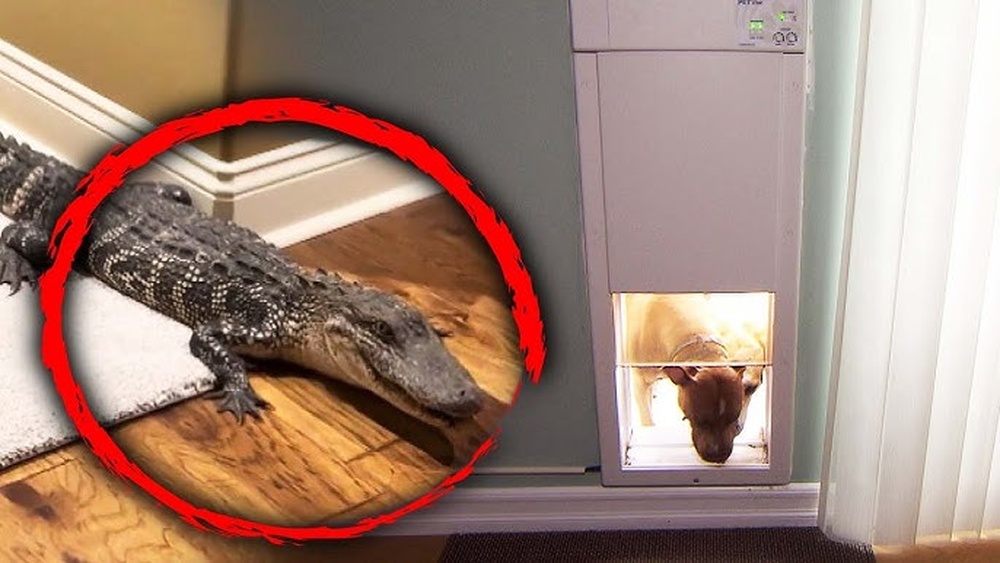

Are you tired of unexpected visitors sneaking through your pet door? It can be frustrating when other animals use your pet’s entrance, bringing dirt, noise, or even unwanted guests into your home.
But don’t worry—there are simple and effective ways to keep your pet door exclusive to your furry friend. You’ll discover easy tricks and smart solutions that help you take control and protect your space. Keep reading to learn how to stop unwanted animals from coming in and give your pet door back to your pet alone.
Choose The Right Pet Door
Choosing the right pet door helps keep unwanted animals out. It also lets your pet come and go safely. Picking the correct door depends on your pet’s size, the door’s material, and special features. This choice reduces the chance of other animals using your pet door.
Size And Location Matters
Select a pet door size that fits your pet well. Too big, and other animals might sneak in. Too small, and your pet will struggle to use it. Place the door in a spot your pet often uses. Avoid areas near bushes or places where wild animals hide.
Materials And Durability
Choose a pet door made from strong, weatherproof materials. Durable doors last longer and resist damage. Look for doors with sturdy frames and tough flaps. These materials keep cold, wind, and rain out. They also stop other animals from pushing through easily.
Magnetic And Electronic Options
Magnetic and electronic pet doors allow only your pet inside. These doors use collars or chips to unlock. Other animals cannot open them without the key device. This technology adds security and peace of mind. It helps keep your home safe from unwanted visitors.

Credit: www.amazon.com
Install Selective Entry Systems
Installing selective entry systems is a smart way to control which animals use your pet door. These systems allow only your pet to enter and exit, keeping other animals out. They use technology to recognize your pet and unlock the door just for them. This helps prevent unwanted visitors like neighborhood cats or stray animals from entering your home.
Microchip-activated Doors
Microchip-activated doors work by reading your pet’s implanted microchip. The door stays locked until it detects the correct chip nearby. This ensures only your pet can open the door. The system is safe and does not require your pet to wear a collar. It offers a hands-free way to keep other animals away.
Rfid Collar Sensors
RFID collar sensors use a small tag on your pet’s collar. The pet door unlocks only when it senses this tag. This method is affordable and easy to set up. It also lets you control which pets have access. If your pet loses the collar, you can easily replace the tag.
Infrared And Motion Detectors
Infrared and motion detectors can identify your pet’s unique movement or heat signature. These doors open only when they detect your pet nearby. The technology reduces false triggers from other animals. It works well for pets that do not have microchips or collars. This system adds another layer of security to your pet door.
Create Physical Barriers
Creating physical barriers is a simple way to stop other animals from using your pet door. Barriers help control which animals can enter your home. They give your pet a safe space without unwanted visitors.
Physical barriers are easy to set up and effective. They block access to the pet door for animals like stray cats or neighborhood dogs. These barriers also keep your pet safe from unfamiliar animals.
Use Pet Gates And Fences
Pet gates block animals from reaching the pet door. Install gates inside or outside your home. Choose gates tall enough to stop jumping animals. Fences around your yard add an extra layer of protection. Ensure the fence has no gaps or holes. This stops small animals from squeezing through. Pet gates and fences limit access and keep pets safe.
Landscaping For Deterrence
Plants and bushes can create natural barriers. Thorny plants discourage animals from coming close. Use thick shrubs near the pet door area. These plants make it hard for other animals to approach. Avoid plants that attract wildlife or stray pets. Landscaping shapes your yard and controls animal movement. It is a quiet way to keep unwanted visitors away.
Strategic Door Placement
Place the pet door where other animals cannot easily reach. Avoid areas near bushes or fences where animals hide. Install the door higher off the ground if possible. This makes it harder for small animals to enter. Position the door in a busy, visible spot. This discourages animals that prefer quiet places. Smart placement helps your pet door stay safe and secure.

Credit: abdienstverlening.nl
Train Your Pets
Training your pets is a key step to control who uses the pet door. Pets that understand rules can use the door correctly. Training helps pets know when to enter and exit. It also stops other animals from using the door.
Command Training For Door Use
Teach your pet simple commands for the door. Use words like “open,” “come,” or “stay.” Practice these commands every day. Reward your pet with treats or praise. This helps pets link commands with good things. Clear commands guide pets when to use the door.
Discouraging Unwanted Visitors
Train your pets to react when other animals approach. Use firm “no” or “leave it” commands. Pets can learn to block or alert you. This stops other animals from entering. Consistent training makes pets aware of intruders. It keeps your home safe and secure.
Reinforcing Positive Behavior
Always praise your pet for using the door properly. Give treats or affection after good behavior. Ignore or gently correct bad actions. Positive rewards help pets remember the right way. This encourages pets to repeat good habits. Training becomes easier with regular reinforcement.
Apply Deterrents For Other Animals
Applying deterrents helps keep other animals away from your pet door. These tools create an environment that is not welcoming to unwanted visitors. Using the right deterrents can protect your home and your pet. Here are some effective options to consider.
Scent Repellents
Scent repellents use smells that animals dislike. Common scents include citrus, vinegar, or strong herbs. Spraying these around the pet door can make other animals avoid the area. You can buy commercial scent repellents or make your own. Reapply often to keep the smell strong and effective.
Noise And Motion Devices
Noise and motion devices startle animals when they approach. They use sounds or sudden movements to scare away intruders. Some devices emit high-pitched sounds that only animals hear. Others trigger a quick burst of water or a flashing light. These tools keep animals away without harming them.
Safe Chemical Barriers
Chemical barriers create a safe zone around your pet door. These products stop animals from crossing by creating a mild discomfort. Many are made with natural ingredients that are safe for pets and people. Apply these barriers carefully to avoid contact with your pet. Regular use helps maintain a secure perimeter.

Credit: www.wikihow.life
Monitor And Maintain Your Pet Door
Monitoring and maintaining your pet door is important to keep other animals out. Regular care ensures the door works well and only your pet uses it. Small checks can stop big problems. A well-maintained door lasts longer and stays secure.
Regular Inspections
Check the pet door often for damage or wear. Look for cracks, loose parts, or dirt. Clean the door frame and flap to avoid jams. Watch for signs of other animals trying to enter. Early spotting of issues helps fix them fast.
Updating Technology
Keep your pet door’s technology up to date. New sensors or chips improve security. Update software if your door has smart features. Better tech can stop unwanted animals from sneaking in. Check the manufacturer’s site for updates or upgrades.
Adjusting Settings For Effectiveness
Change the door’s settings to fit your pet’s size and habits. Tighten the access time or limit entry hours if needed. Adjust sensor sensitivity to detect only your pet. Fine-tuning settings keeps other animals out easily. Test changes regularly to ensure they work.
Frequently Asked Questions
How Can I Stop Stray Animals Using My Pet Door?
Install a microchip-activated pet door. It only opens for your pet’s chip, blocking other animals. This prevents unwanted entry and keeps your home secure.
What Pet Door Features Prevent Other Animals From Entering?
Look for selective entry doors with sensors or magnetic locks. These allow only your pet inside, ensuring safety and reducing intrusion from neighborhood wildlife or stray animals.
Are Electronic Pet Doors Effective In Keeping Other Animals Out?
Yes, electronic pet doors use microchips or RFID tags. They recognize your pet and grant access, effectively preventing other animals from using the door.
Can I Train My Pet To Use A Special Pet Door?
Training your pet to use a selective or electronic pet door is simple. Consistent guidance helps your pet adapt quickly, ensuring only your pet can enter through the door.
Conclusion
Keeping other animals from using your pet door takes simple steps. Choose a pet door with secure locks or sensors. Train your pet to use the door properly. Regularly check the door for signs of unwanted visitors. Small changes can protect your home and pet.
Stay patient and consistent with your efforts. Your pet’s safety and comfort matter most. Preventing other animals keeps your space clean and safe. Try these easy tips and see the difference. Protect your pet door without stress or hassle.