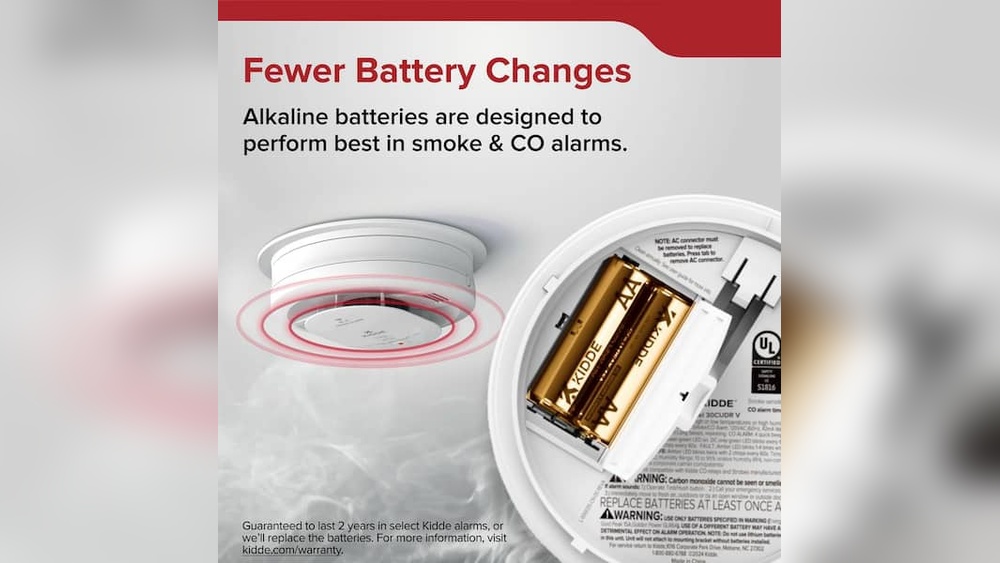

Have you ever wondered how long those AA batteries in your smoke detectors really last? Knowing this can be a lifesaver—literally.
If your smoke detector runs out of power when you least expect it, your home and loved ones could be at risk. You’ll discover exactly how long you can count on your batteries and learn simple tips to keep your smoke detectors working when you need them most.
Keep reading to make sure your home stays safe and secure.
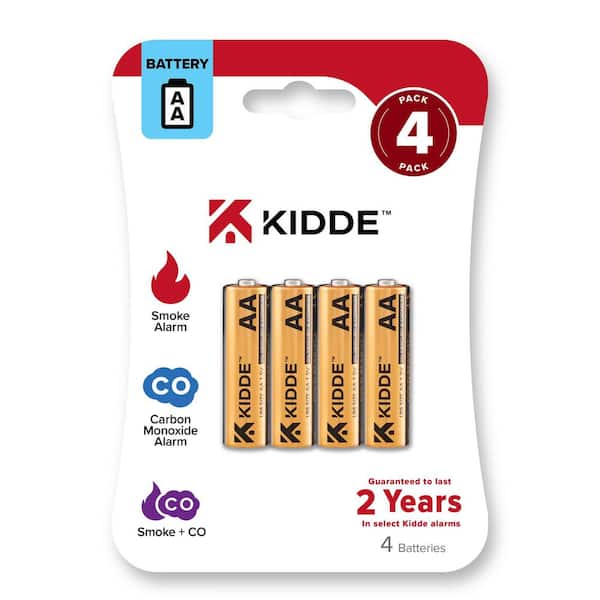
Credit: www.homedepot.com
Battery Life Basics
Understanding how long AA batteries last in smoke detectors is important for safety. Smoke detectors need power to work correctly. The type of battery and its usage impact how long it lasts. Several factors can change battery life too. Let’s explore these basics.
Types Of Aa Batteries
There are different types of AA batteries. Alkaline batteries are common and affordable. Lithium AA batteries last longer but cost more. Rechargeable AA batteries can be used multiple times. Each type affects the smoke detector’s battery life differently.
Battery Capacity And Usage
Battery capacity is measured in milliamp hours (mAh). Higher mAh means longer battery life. Smoke detectors use very little power but run all the time. This constant use drains batteries slowly. Regular testing and replacement keep detectors working well.
Factors Affecting Battery Life
Temperature affects battery performance. Cold weather can reduce battery life. The age of the battery matters too. Older batteries hold less charge. Frequent alarms or tests use more power. Proper installation also helps batteries last longer.
Smoke Detector Power Needs
Smoke detectors need power to keep your home safe. AA batteries are common power sources for many models. Understanding how much power these devices use helps you know how long batteries will last. Smoke detectors use energy differently depending on their features and activity. This section explains their power needs clearly.
Typical Energy Consumption
Most smoke detectors use very little energy when just running. They need power to keep sensors active and the alarm ready. Usually, this draws around 20 to 30 milliamps. This low power use helps batteries last a long time. A single AA battery can often power a smoke detector for over a year.
Impact Of Alarm Features
Some smoke detectors have extra features that use more power. Features like voice alerts or wireless connections increase energy use. These features can reduce battery life to several months. Simple models without extras usually last longer. Choose based on how much battery life you want.
Battery Usage During Alarms
The alarm sound uses the most battery power. When the alarm sounds, it can draw hundreds of milliamps. This high power use drains batteries quickly if the alarm stays on long. Short alarms or false alarms can shorten battery life. Regular checks help keep batteries fresh and reliable.
Average Aa Battery Lifespan In Smoke Detectors
AA batteries power many smoke detectors. Knowing their lifespan helps you keep your home safe. Battery life depends on the type and usage. Here is a look at the average lifespan of different AA batteries in smoke detectors.
Standard Alkaline Batteries
Alkaline batteries are common in smoke detectors. They usually last about 6 to 12 months. The exact time varies based on the detector’s power use. These batteries are affordable and easy to find. It is smart to change them once a year to stay safe.
Rechargeable Aa Batteries
Rechargeable batteries can be reused many times. They often last 3 to 5 years in smoke detectors. Each recharge cycle reduces their capacity slowly. These batteries save money over time. But they need regular charging to work well.
Lithium Aa Batteries
Lithium batteries have a longer life than alkaline ones. They can last up to 10 years in smoke detectors. Their stable power output suits long-term use. Lithium batteries cost more but need fewer changes. They are a good choice for hard-to-reach detectors.
Signs Of Battery Wear
Batteries in smoke detectors do not last forever. They lose power over time. Recognizing signs of battery wear helps keep your home safe. Early detection means you can change batteries before they fail.
Here are common signs that your AA batteries need replacement in smoke detectors.
Low Battery Chirps
A short, sharp beep means low battery power. This chirp happens at regular intervals. It warns you to replace the batteries soon. Ignoring it can cause the alarm to stop working.
Reduced Alarm Volume
When batteries weaken, the alarm sound gets quieter. It may be hard to hear the alarm from other rooms. A loud alarm is crucial for quick response. Check batteries if the sound is faint.
Frequent False Alarms
Weak batteries can cause false alarms. The detector may beep or ring without smoke present. This happens because the sensor gets unstable. Replace batteries to stop unwanted alarms and ensure proper function.
Maximizing Battery Life
Maximizing the battery life in smoke detectors is key to keeping your home safe. Long-lasting batteries mean fewer replacements and better protection. Simple steps can help your AA batteries last longer and keep your smoke detector working well.
Regular Testing And Maintenance
Test your smoke detector monthly to check battery health. Press the test button until you hear the alarm. Replace batteries immediately if the alarm sounds weak or chirps. Clean the detector gently with a soft cloth to remove dust. Dust can affect battery life and sensor function.
Proper Battery Storage
Store spare batteries in a cool, dry place. Avoid places with high heat or humidity. Keep batteries in their original packaging until use. This prevents them from losing power before installation. Do not mix old and new batteries in the same detector.
Choosing The Right Battery Type
Select high-quality AA batteries made for smoke detectors. Alkaline batteries usually last longer than zinc-carbon types. Consider lithium batteries for even longer life, especially in cold areas. Always check the manufacturer’s recommendations for battery type. Using the right battery keeps your detector reliable.

Credit: www.x-sense.com
Replacing Batteries Safely
Replacing batteries safely in smoke detectors is very important. It keeps your home protected and your family safe. Using the right steps helps avoid accidents and keeps the smoke detector working well.
Follow simple safety tips when changing batteries. Handle batteries with care. Check for signs of damage or leaks. Proper disposal keeps the environment safe.
When To Replace Batteries
Replace batteries every six months. Some detectors beep when batteries run low. Do not wait for the beep. Change batteries if the detector gives weak or no sound. Regular checks prevent failure during emergencies.
Safe Disposal Methods
Used batteries can harm the environment. Do not throw batteries in the trash. Take them to a recycling center or hazardous waste site. Many stores offer battery recycling. Follow local rules for battery disposal.
Avoiding Common Mistakes
Do not mix old and new batteries. Use the correct battery type only. Avoid touching battery terminals with wet hands. Always install batteries in the right direction. Test the smoke detector after replacing batteries.
Alternative Power Options
Alternative power options for smoke detectors offer more reliability and less maintenance. These choices help keep your home safe without frequent battery changes. Exploring these options can save you time and ensure continuous protection.
Hardwired Smoke Detectors
Hardwired smoke detectors connect directly to your home’s electrical system. They often include a battery backup for power outages. These detectors require less battery replacement and provide steady power. Installation may need a professional electrician.
Long-life Lithium Batteries
Long-life lithium batteries last much longer than regular AA batteries. They can power smoke detectors for up to 10 years. These batteries reduce the need for frequent changes and improve safety. Many detectors now come with lithium battery options.
Solar-powered Detectors
Solar-powered smoke detectors use sunlight to charge their batteries. They work well in areas with good natural light. These detectors offer a green, low-maintenance power source. Backup batteries keep them running during cloudy days or at night.

Credit: www.x-sense.com
Frequently Asked Questions
How Long Do Aa Batteries Last In Smoke Detectors?
AA batteries in smoke detectors typically last 6 to 12 months. Lifespan depends on usage, battery quality, and device type. Regular testing and timely replacement ensure reliable smoke detection and safety.
Can Rechargeable Aa Batteries Be Used In Smoke Detectors?
Yes, rechargeable AA batteries can be used, but they may last shorter. NiMH batteries have lower voltage than alkaline ones, affecting detector performance. Always check manufacturer recommendations before use.
How To Know When Aa Batteries Need Replacing?
Smoke detectors often beep or chirp when batteries are low. Replace batteries immediately upon hearing these signals. Regular monthly testing helps maintain optimal detector functionality and safety.
Does Battery Brand Affect Smoke Detector Lifespan?
Yes, battery brand impacts lifespan. High-quality, reputable brands typically last longer and perform better. Avoid cheap or expired batteries to ensure consistent smoke detector operation.
Conclusion
AA batteries in smoke detectors usually last about one year. Regular checks help keep your home safe. Replace batteries as soon as the alarm beeps. Using fresh batteries ensures the detector works well. Don’t wait for the battery to die completely.
Remember, smoke detectors save lives by warning you early. Keep a schedule to test and change batteries often. This small habit makes a big difference in safety. Stay alert, and keep your smoke detector powered. Safety starts with simple, regular battery changes.


