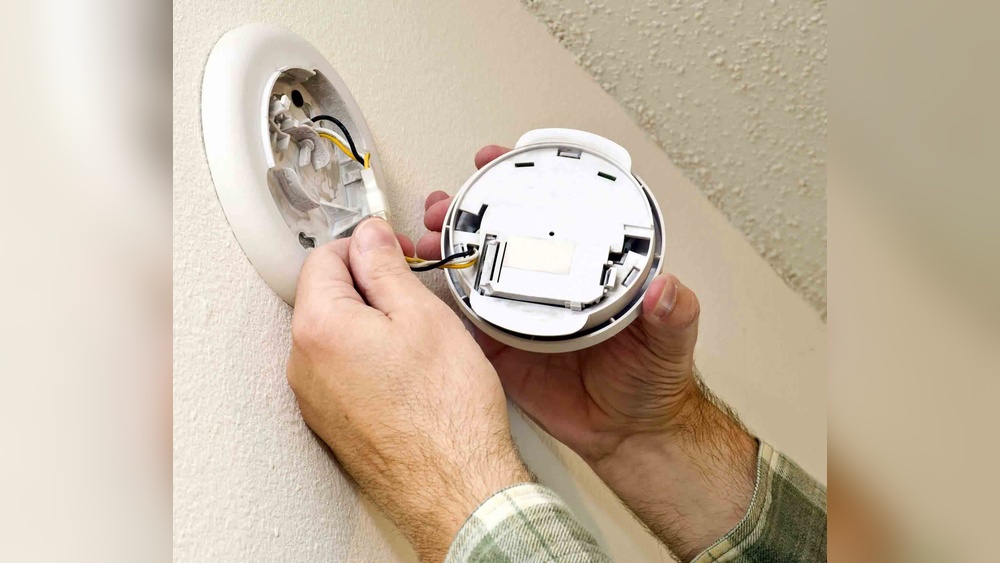

Your safety at home starts with a working smoke detector. But how do you know if your hardwired smoke detector is actually doing its job?
Testing it regularly is the key to keeping your family safe from fire hazards. You’ll learn simple, step-by-step ways to test your hardwired smoke detector. By the end, you’ll have the confidence that your smoke detector will alert you when it matters most.
Keep reading to protect what you care about most.
Types Of Hardwired Smoke Detectors
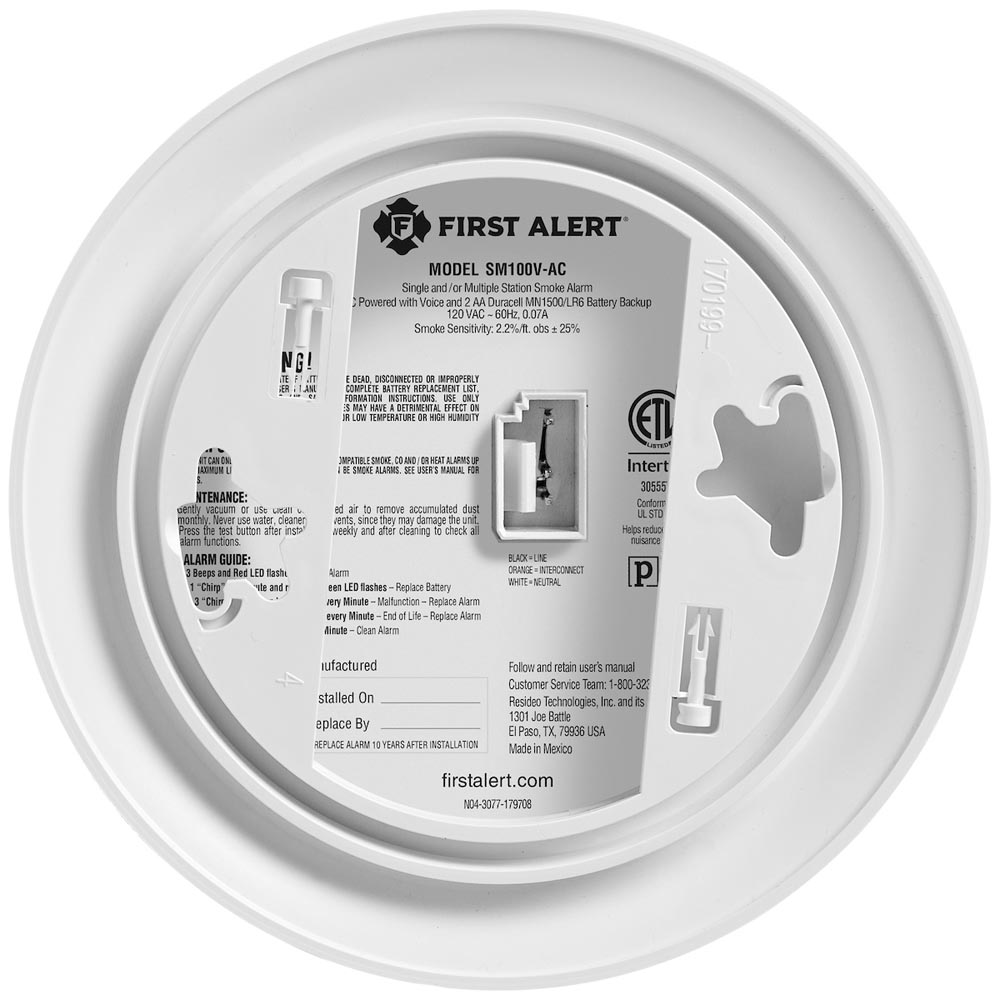
Hardwired smoke detectors come in different types. Each type works in a unique way to detect smoke and fire. Knowing these types helps you test and maintain your smoke alarm better. Below are the main types of hardwired smoke detectors.
Photoelectric Vs Ionization
Photoelectric smoke detectors use light to find smoke particles. They work well with slow, smoldering fires. Ionization smoke detectors use a small amount of radioactive material. They detect fast, flaming fires quickly. Both types are important for home safety.
Combination Alarms
Combination alarms mix photoelectric and ionization sensors. They offer better protection against different fire types. These alarms are common in many homes today. Testing them ensures both sensors work correctly. It keeps your family safe from all fire risks.
Credit: www.firstalertstore.com
Tools Needed For Testing
Testing a hardwired smoke detector requires some basic tools. These tools help check if the device works properly and keeps your home safe. Having the right equipment makes the testing process easier and faster. It also ensures you do the job safely.
Basic Equipment
You need a few simple tools to test a hardwired smoke detector. A ladder is important to reach the detector, usually mounted on the ceiling. A small screwdriver helps open the detector’s cover. A multimeter checks the electrical connections and power supply. Smoke detector test spray simulates smoke to trigger the alarm. A flashlight is useful to see inside the detector in dim areas.
Safety Precautions
Safety comes first when testing a hardwired smoke detector. Turn off the power at the circuit breaker before opening the detector. Avoid touching wires with wet hands or metal tools. Use insulated tools to prevent electric shocks. Keep the ladder stable and avoid overreaching. Follow the manufacturer’s instructions for testing and maintenance. Safety ensures you complete the test without accidents.
Preparing For The Test
Testing a hardwired smoke detector starts with careful preparation. Proper steps ensure the test runs smoothly and safely.
Before pressing any buttons or using test tools, prepare the device and the area. This reduces risks and avoids false alarms.
Power Supply Check
First, confirm the smoke detector has power. Hardwired detectors rely on your home’s electrical system.
Look for any signs of loose wires or damage near the detector. A steady power supply keeps the alarm ready to work.
Check the backup battery as well. This battery helps the alarm during power outages.
Resetting The Alarm
Reset the smoke detector before testing. This clears any previous alerts or errors.
Most detectors have a reset button on their face or side. Press and hold it for a few seconds.
Wait for the alarm to stop sounding or the indicator light to return to normal. This means the device is ready for testing.
Credit: www.firstalertstore.com
Manual Test Methods
Manual test methods help check if a hardwired smoke detector works properly. Testing keeps your home safe by making sure the alarm responds to danger. Two common ways to test are using the test button and simulating smoke. Both methods are easy and fast to perform.
Using The Test Button
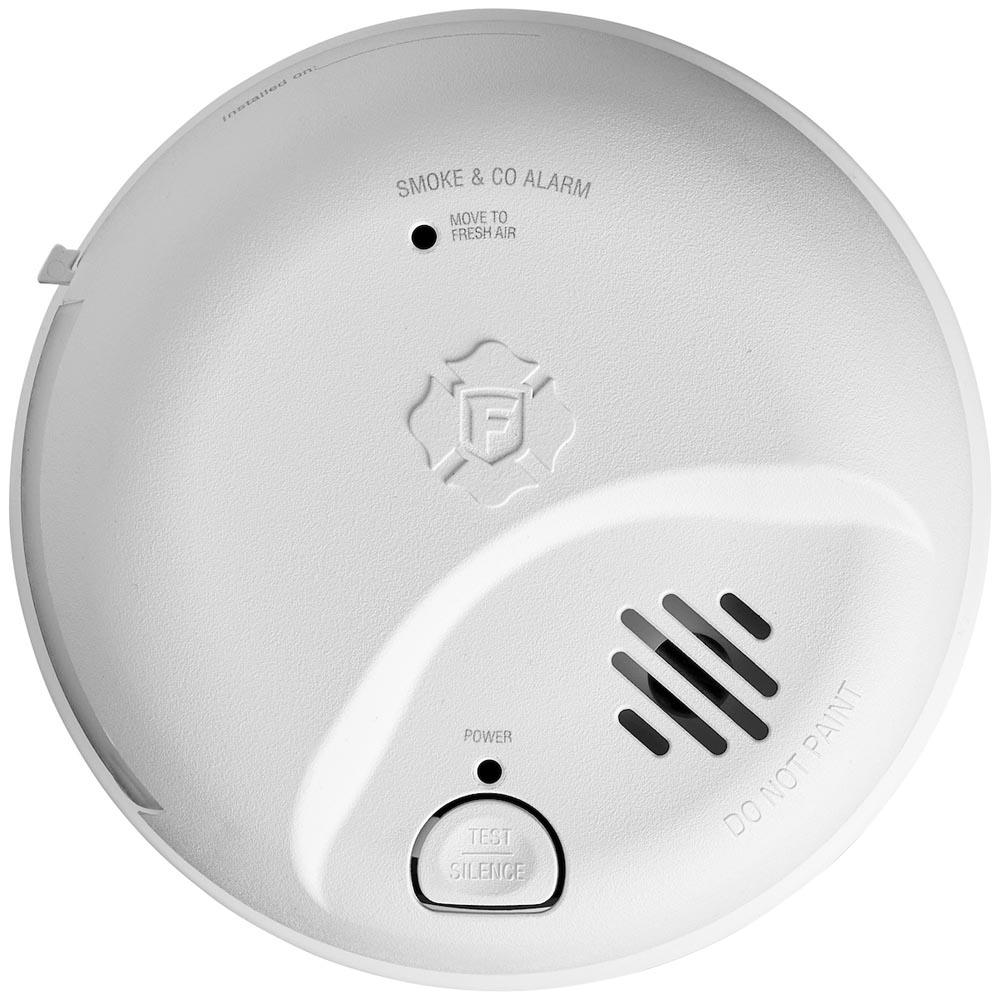
The test button is built into every smoke detector. Press and hold this button for a few seconds. The alarm should sound loudly if the detector works well. This test checks the battery and electronics inside the unit. If no sound comes, check the power or call a professional.
Simulating Smoke
Simulating smoke shows how the sensor reacts to real fire conditions. You can use smoke spray made for testing detectors. Spray a small amount near the detector’s sensor. The alarm should go off within seconds. Avoid using real smoke or fire. It can cause damage or false alarms.
Electrical Testing Techniques
Testing a hardwired smoke detector involves checking its electrical components. This ensures the device gets proper power and functions correctly. Electrical testing helps find wiring problems or power issues early.
Two main techniques help test the electrical side: voltage measurement and wiring inspection. Both steps are simple but important for safety.
Voltage Measurement
Use a multimeter to measure voltage at the smoke detector’s terminals. The device usually runs on 120 volts AC power. Check if the reading matches this value. A lower or no voltage reading means a power issue.
Turn off power before connecting the meter to avoid shocks. Then, turn power on and read the voltage carefully. Record the results for future reference.
Wiring Inspection
Inspect wires connected to the smoke detector for damage or loose connections. Look for frayed wires, burn marks, or corrosion. These signs indicate electrical problems.
Ensure all wire connections are tight and secure. Loose wires can cause the detector to fail. Proper wiring keeps the smoke detector reliable and responsive.
Troubleshooting Common Issues
Troubleshooting hardwired smoke detectors helps keep your home safe. These devices need regular testing to work well. Problems can appear during tests. Knowing common issues and fixes saves time and stress. Focus on two main issues: false alarms and no sound during tests.
False Alarms
False alarms happen when the detector sounds without smoke. Dust or insects inside the detector can trigger this. Clean the detector using a soft brush or vacuum. Avoid spraying cleaners directly on it. Another cause is cooking smoke or steam near the detector. Move the detector or keep these away. Check the wiring for loose connections. Tighten any loose wires carefully. Replace old detectors if false alarms continue.
No Sound During Test
No sound during testing means the alarm may not work. Check the power supply first. Ensure the detector is connected to the circuit and power is on. Test the circuit breaker to see if it is tripped. Press and hold the test button firmly. A weak or dead backup battery can cause silence. Replace the battery if needed. Inspect wiring for damage or loose connections. Replace the smoke detector if no sound remains after checks.
Maintenance Tips For Longevity
Maintaining your hardwired smoke detector is key to keeping it working well. Proper care helps the device last longer and stay reliable. Simple steps can protect your home and family from fire dangers.
Regular Cleaning
Dust and dirt can block smoke sensors. Clean your smoke detector every few months. Use a soft brush or vacuum cleaner on low power. Avoid using water or cleaning sprays. Keep the vents clear so smoke can reach the sensor easily.
Battery Backup Replacement
Hardwired smoke detectors have backup batteries for power outages. Change these batteries once a year or when the alarm beeps. Use the battery type recommended by the manufacturer. Test the alarm after replacing the battery to ensure it works.

Credit: www.reddit.com
Frequently Asked Questions
How Often Should I Test A Hardwired Smoke Detector?
Test your hardwired smoke detector at least once a month. Regular testing ensures it functions properly and keeps you safe from fire hazards.
What Tools Do I Need To Test A Hardwired Smoke Detector?
You only need a ladder and the detector’s test button. No special tools are required to perform a simple functionality test.
Can I Test A Hardwired Smoke Detector Without Power?
No, testing requires the detector to be connected to power. Hardwired detectors need electricity to activate and properly respond during tests.
How Do I Reset A Hardwired Smoke Detector After Testing?
Press and hold the test button until the alarm stops. This resets the detector and ensures it is ready for normal operation.
Conclusion
Testing a hardwired smoke detector keeps your home safe and sound. Press the test button regularly to check its function. Replace batteries at least once a year or when needed. Clean the detector gently to avoid dust buildup. Remember, working smoke detectors save lives every day.
Stay alert and keep your family protected. Simple steps make a big difference in safety. Don’t skip testing—your peace of mind depends on it.


