
Living in a tiny home means every inch of space counts—and that’s where smart design comes in. Imagine opening your door and feeling like your home is bigger than it really is.
You want your space to work for you, not the other way around. Whether you’re struggling with clutter or just want to make your tiny home feel more open, these space-saving designs will transform the way you live. Ready to unlock clever ideas that make your tiny home more comfortable, functional, and stylish?
Keep reading to discover how to maximize your space without sacrificing comfort.
Compact Furniture Choices
Compact furniture choices are essential for tiny homes. They save space and add function. Smart designs help you live comfortably in small areas. These pieces fit well and transform easily. They make every inch count without clutter.
Fold-out And Convertible Pieces
Fold-out beds and sofas change into sleeping spaces. They fold back to save room during the day. Convertible furniture can be a desk, bed, or table. These pieces offer flexibility for different needs. They are perfect for tiny homes with limited space.
Multi-use Tables And Chairs
Tables that adjust height serve many purposes. They work as dining tables or work desks. Chairs with storage hide items inside the seat. Stackable chairs save space when not in use. Multi-use furniture reduces the number of items needed.
Built-in Seating With Storage
Built-in benches offer extra seating and storage below. They fit snugly into corners or walls. These designs keep clutter out of sight. Storage under seats holds shoes, books, or blankets. Built-in seating maximizes space without extra furniture.
Smart Storage Solutions
Smart storage solutions make tiny homes feel spacious and organized. Clever storage ideas fit small spaces perfectly. Each storage spot should have a clear purpose. This keeps clutter away and frees up living areas. Below are some popular smart storage options for tiny homes.
Under-bed And Loft Storage
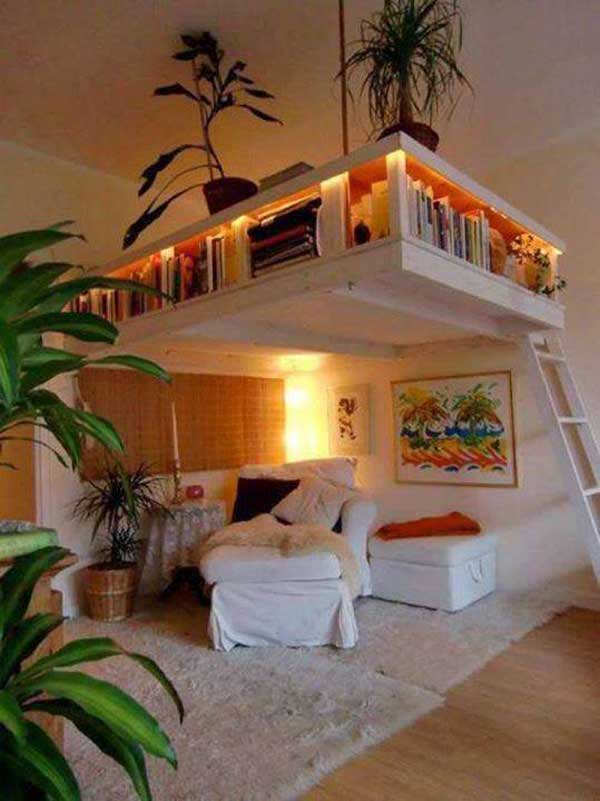
Under-bed storage uses the space beneath your mattress for boxes or drawers. This area can store clothes, shoes, or bedding. Loft storage is a raised area above the main floor. It can hold items you use less often. Both ideas maximize vertical space without crowding rooms.
Wall-mounted Shelves And Hooks
Wall-mounted shelves keep floors clear and add storage up high. Use them for books, plants, or kitchen items. Hooks on walls or doors hang bags, coats, and keys. These keep things off counters and floors. They are easy to install and can be moved if needed.
Cabinets With Hidden Compartments
Cabinets with hidden compartments create secret storage spots. You can hide valuables or small items safely. These cabinets use space inside walls or beneath counters. They help keep your home tidy and organized. Such designs add charm and function to tiny homes.
Space Maximizing Layouts
Space maximizing layouts play a key role in tiny home design. They help make small areas feel larger and more functional. Clever planning turns tight spaces into comfortable living zones. The right layout lets you live freely without clutter or crowding.
Designers use several smart methods to stretch space. These focus on flow, height, and clear area divisions. Each method boosts usability while keeping the home open and airy. Below are three popular ways to maximize space in tiny homes.
Open Floor Plans
Open floor plans remove walls and barriers inside the home. This creates a smooth flow from one area to another. It makes the home feel bigger by letting light and air move easily. Combining the kitchen, dining, and living spaces is a common approach. It supports social interaction and flexible furniture use.
Vertical Space Utilization
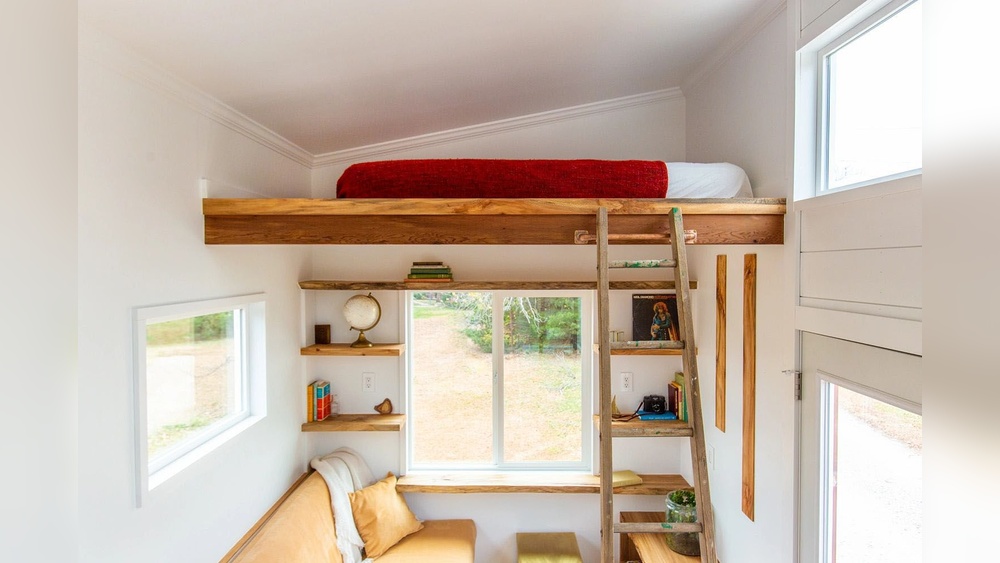
Using vertical space means building up, not out. Tall shelves and cabinets store more items without taking floor space. Wall hooks and hanging organizers keep things off counters and floors. Loft beds free up room below for desks or seating. Vertical storage helps keep the tiny home neat and tidy.
Zoning Small Areas
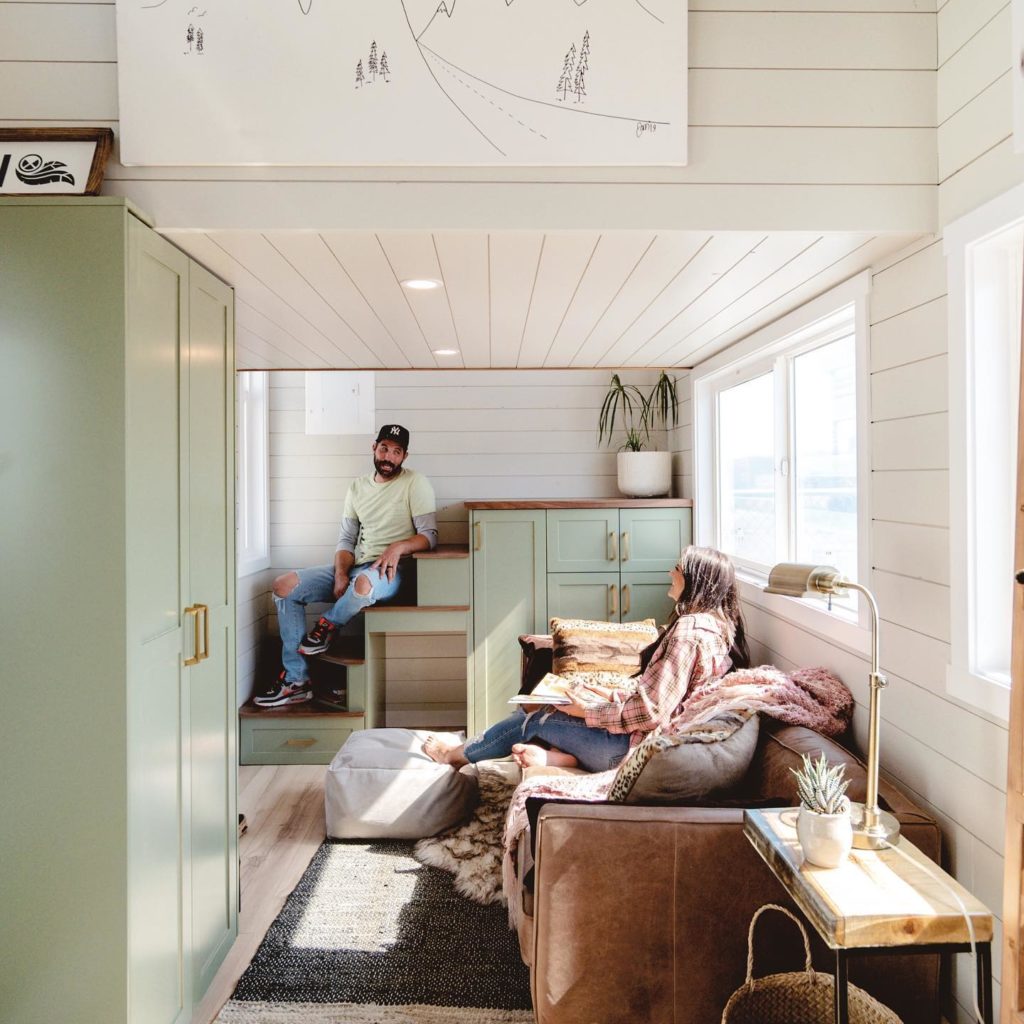
Zoning divides the tiny home into clear sections for different activities. Rugs, furniture placement, and lighting mark each zone. This creates order and purpose in small rooms. Zones help avoid clutter by assigning specific spots for cooking, sleeping, or working. Proper zoning makes every inch count.
Credit: tinyhouseblog.com
Creative Use Of Nooks
Nooks are often overlooked corners in tiny homes. They offer unique chances to add storage or functionality. Using these small spaces creatively helps keep the home tidy and organized.
Smart use of nooks can make a tiny home feel larger and more comfortable. Each nook can serve a special purpose without wasting space. This approach blends style with practicality.
Corner Shelves And Desks
Corners usually stay empty or cluttered. Installing corner shelves turns these spots into storage zones. They hold books, plants, or decor, freeing up other areas.
Corner desks fit well in small spaces. They create a work area without crowding the room. These desks are perfect for laptops or writing, using space that might be ignored.
Window Seat Storage
Window seats add charm and extra seating in tiny homes. Building storage under the seat makes this area double as a closet or drawer space. It’s ideal for blankets, shoes, or toys.
The natural light from windows brightens the nook, making it cozy. Window seat storage blends comfort with efficiency perfectly.
Tiny Workspaces
Workspaces in tiny homes must be small but effective. Nooks offer quiet spots for desks or craft tables. These compact areas help maintain focus without taking much room.
Fold-down tables or pull-out desks in nooks save space when not in use. Tiny workspaces keep the home organized and ready for work or hobbies.
Minimalist Decor Tips
Minimalist decor is perfect for tiny homes. It helps create a calm and open space. Simple design makes small areas feel larger and more inviting. Using fewer items means less clutter and easier cleaning. Focus on what you really need and enjoy a peaceful home environment.
Clutter-free Design
Keep only essential items visible. Store away anything not used daily. Use smart storage like baskets or built-in shelves. Clear surfaces create a tidy and spacious feel. Avoid overcrowding rooms with too many decorations or furniture.
Light Colors And Mirrors
Choose light colors for walls and furniture. Whites, creams, and pastels reflect light well. Mirrors also boost natural light and add depth. Place mirrors opposite windows to brighten rooms. Light tones make tiny homes feel airy and open.
Essential Decor Elements
Select decor that adds function and beauty. A simple rug or a few plants can enhance space. Use multi-purpose furniture like ottomans with storage. Keep patterns subtle and colors soft. Minimal decor keeps the focus on space and comfort.
Credit: www.extraspace.com
Tech And Lighting Hacks
Tech and lighting hacks play a key role in saving space in tiny homes. They add function without clutter. Smart choices in appliances and lighting can open up your living area. These solutions help you use every inch wisely. Let’s explore some practical ideas.
Compact Appliances
Compact appliances fit perfectly in small kitchens. They take up less room but work well. Look for slim refrigerators, mini dishwashers, and combo washer-dryers. These save counter space and keep your home tidy. Small appliances reduce the need for bulky furniture.
Under-cabinet And Recessed Lighting
Under-cabinet lighting brightens workspaces without using floor space. Recessed lights blend into ceilings and walls. These lighting types keep rooms feeling open and airy. They reduce shadows and improve visibility. Installing them creates a cozy, well-lit environment.
Smart Home Integration
Smart home devices control lighting, temperature, and security easily. Use voice commands or apps to manage settings. Smart bulbs adjust brightness and color to suit mood and time. Automation saves energy and adds comfort. These tools make tiny living more convenient and efficient.
Outdoor Space Extensions
Outdoor space extensions add valuable living areas to tiny homes. They increase usable space without expanding the building footprint. Thoughtful outdoor designs blend comfort and function. These extensions create spots for relaxing, dining, and storage. They also enhance the home’s style and connection to nature.
Foldable Decks And Patios
Foldable decks offer flexible outdoor living space. They can be extended or folded back as needed. This saves space when the deck is not in use. Materials like wood or composite make them durable and lightweight. Foldable patios create extra seating or dining areas. They help tiny homes adapt to different activities.
Vertical Gardens
Vertical gardens maximize greenery in small spaces. They use walls or fences to grow plants upward. This adds beauty and improves air quality around tiny homes. Vertical gardens save ground space for other uses. They can include herbs, flowers, or small vegetables. Easy to install, they bring nature closer to home.
Outdoor Storage Options
Outdoor storage helps keep tiny homes clutter-free. Storage benches and boxes provide seating and space for tools. Wall-mounted shelves or cabinets use vertical space smartly. Hidden compartments under decks store seasonal items. These options keep belongings organized and protected from weather.
Credit: www.woohome.com
Frequently Asked Questions
What Are The Best Space-saving Designs For Tiny Homes?
The best space-saving designs include fold-out furniture, lofted beds, and built-in storage. These maximize usable space while keeping the home functional and stylish.
How Can Multifunctional Furniture Help Tiny Homes?
Multifunctional furniture serves dual purposes, like a sofa that converts to a bed. This reduces clutter and frees up valuable floor space.
What Storage Solutions Work Well In Tiny Homes?
Use under-bed storage, wall-mounted shelves, and hidden compartments. These solutions keep belongings organized without taking extra room.
How Do Lofted Areas Save Space In Tiny Homes?
Lofts create additional living or sleeping space by utilizing vertical height. This design frees up the floor for other uses.
Conclusion
Space saving designs make tiny homes feel bigger and more comfortable. Clever use of furniture and storage helps keep clutter away. Every inch counts in small spaces, so think smart. Simple ideas like fold-out tables and under-bed storage work well.
These designs help you live efficiently without feeling cramped. Embrace creativity to enjoy your tiny home fully. Small spaces can still offer great comfort and style. Keep experimenting to find what suits your needs best.