
Are your smoke detectors outdated or not working properly? You might be wondering, how much does it cost to replace smoke detectors?
Knowing the answer can help you protect your home without breaking the bank. You’ll discover the real expenses involved, what affects the price, and smart tips to save money. Keep reading to make sure your home stays safe while staying within your budget.
Smoke Detector Types
Choosing the right smoke detector matters for safety and cost. Different types detect smoke in different ways. Each type has benefits and price points. Knowing these can help you decide which fits your home and budget.
Ionization Smoke Detectors
Ionization smoke detectors sense fast, flaming fires well. They use a small amount of radioactive material. This detector is often less expensive than others. It may cause false alarms from cooking smoke. Ideal for bedrooms or living rooms.
Photoelectric Smoke Detectors
Photoelectric detectors detect slow, smoldering fires better. They use a light beam and sensor inside the device. These alarms are less likely to trigger false alerts. Usually cost a bit more than ionization types. Good for kitchens and near fireplaces.
Dual Sensor Smoke Detectors
Dual sensor detectors combine ionization and photoelectric technology. They offer broader detection for both fast and slow fires. These models often cost more but provide better safety. A smart choice for whole-house protection.
Smart Smoke Detectors
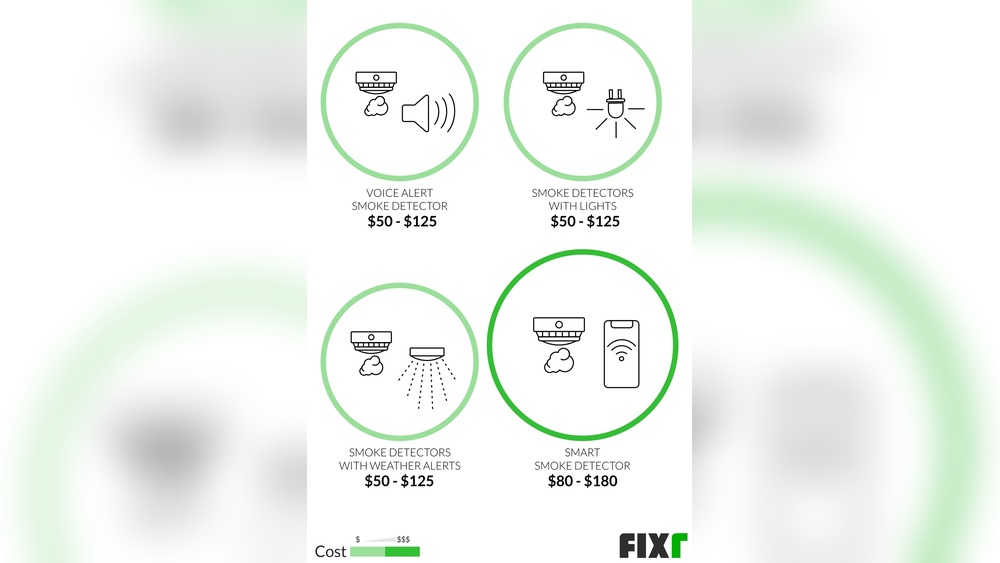
Smart smoke detectors connect to Wi-Fi and mobile apps. They send alerts to your phone anywhere. Some include features like voice alerts or self-testing. Usually priced higher than basic models. Perfect for tech-savvy homeowners wanting extra control.
Cost Factors
Several factors affect the cost of replacing smoke detectors. Understanding these can help plan your budget. Prices vary widely based on the type and features of the detectors. The brand and quality also play a big role. Installation fees add to the total cost. The size of your home and the number of units needed impact the final price.
Detector Type And Features
Smoke detectors come in different types. Ionization detectors are usually cheaper but less sensitive to smoldering fires. Photoelectric detectors cost a bit more but detect slow, smoky fires better. Combination alarms with both types cost more but offer better protection. Some models include features like carbon monoxide sensors or wireless connectivity. These extra features increase the price.
Brand And Quality
Well-known brands often charge more for their smoke detectors. High-quality detectors last longer and work more reliably. Cheaper brands may save money upfront but might need replacement sooner. Trusted brands often meet stricter safety standards. Choosing a reputable brand can be a smart investment for safety.
Installation Charges
Installing smoke detectors may require professional help. Electric wiring or hardwired systems cost more to install than battery-operated models. Electricians charge based on the complexity of the job. Some companies charge a flat fee per unit. Labor costs vary by location and service provider.
Home Size And Number Of Units
Larger homes need more smoke detectors for full coverage. Building codes usually require detectors in every bedroom, hallway, and level. The total number of units directly affects the overall cost. Small apartments may only need one or two detectors, reducing expenses. Counting the required units helps estimate the total replacement cost.
Price Ranges
Smoke detectors come in various types and prices. Knowing the price ranges helps you pick the right one. Prices depend on features, brand, and technology. Here is a simple guide to common price ranges.
Basic Models
Basic smoke detectors cost between $10 and $25. They detect smoke and sound an alarm. These models usually use batteries. Installation is simple and easy. Basic models work well for small spaces.
Mid-range Options
Mid-range detectors range from $25 to $60. They include extra safety features like voice alerts or better sensors. Some have lithium batteries that last up to 10 years. These models offer better protection for homes.
High-end And Smart Models
High-end smoke detectors cost $60 to $150 or more. They connect to your phone or smart home system. You get alerts even when away from home. Some models combine smoke and carbon monoxide detection. These offer the best safety and convenience.
Diy Vs Professional Installation
Deciding whether to replace smoke detectors yourself or hire a professional can affect your budget. Both options have benefits and drawbacks. Understanding these can help you choose the best approach for your needs and safety.
Pros And Cons Of Diy
Doing the job yourself saves money on labor costs. Smoke detectors are often easy to install with basic tools. This option suits those comfortable with small electrical tasks. On the downside, mistakes can happen. Incorrect installation might cause the detector to fail in an emergency. It also takes time and effort to learn the right steps.
When To Hire A Pro
Choose a professional if your home has complex wiring. Older houses may need special care to meet safety codes. Professionals ensure detectors work correctly and safely. They also handle hard-to-reach places with ease. If you want peace of mind and fast service, a pro is the better choice.
Typical Installation Fees
Professional installation usually costs between $50 and $150 per unit. Prices depend on your location and home size. Some electricians charge a flat fee for multiple detectors. DIY installation only requires buying the detectors, which range from $15 to $50 each. Consider these costs before starting your project.
Additional Costs
Replacing smoke detectors involves more than just the device cost. Additional expenses can affect your total budget. These costs ensure your system works well and keeps your home safe.
Battery Replacement
Smoke detectors need fresh batteries to function correctly. Battery costs vary by type, usually between $3 and $10 each. Most detectors require one or two batteries. Regular replacement prevents failures and false alarms.
Maintenance And Testing
Routine checks keep smoke detectors reliable. Testing devices every month takes just a few minutes. Sometimes, professional inspections are needed, costing around $50 to $100. Proper upkeep extends your detector’s lifespan.
Upgrading To Interconnected Systems
Interconnected smoke detectors link all alarms in a home. When one sounds, all alarms ring, improving safety. Upgrading costs more, often $100 to $200 per unit. Installation may require an electrician, adding to labor expenses.
Credit: homeguide.com
Saving Tips
Replacing smoke detectors can be costly, but there are smart ways to save money. Small steps can help you lower the overall cost without sacrificing safety. Focus on buying in bulk, choosing energy-saving models, and checking for local rebates. These tips make your purchase easier on the budget.
Bulk Purchase Discounts
Buying multiple smoke detectors at once often lowers the price per unit. Stores and online sellers offer discounts for bulk orders. This option suits homeowners with many rooms or landlords managing several properties. Bulk buying reduces cost and ensures you have spare detectors ready.
Energy-efficient Models
Energy-efficient smoke detectors use less power and last longer. These models lower electricity bills and reduce battery replacements. Look for detectors labeled “energy star” or “low power consumption.” Choosing efficient devices saves money over time and helps the environment.
Local Rebates And Incentives
Many cities and states offer rebates for smoke detector purchases. These incentives encourage safety upgrades in homes. Check with your local government or utility company for programs. Rebates can cut the price by a significant amount, easing the cost burden.
Replacing Old Detectors
Replacing old smoke detectors is essential for home safety. Over time, detectors lose their ability to sense smoke properly. This can put your family and property at risk. Knowing when and how to replace these units helps maintain a secure environment.
Costs vary based on the type of detector and installation needs. Understanding the process ensures you spend wisely and keep your home protected.
Signs It’s Time To Replace
Smoke detectors usually last about 10 years. If your detector beeps often or fails to respond to tests, replacement is necessary. Physical damage, such as cracks or corrosion, also signals a need to change the unit. Non-working detectors are a serious risk.
Disposal Of Old Units
Old smoke detectors contain small amounts of radioactive material. These need proper disposal for safety. Many local waste centers accept old units. Check guidelines for battery removal before disposal. Never throw detectors in regular trash without checking rules.
Upgrading For Safety
New smoke detectors offer better technology and reliability. Consider models with voice alerts or smart features for added security. Combination units with carbon monoxide detection improve overall safety. Upgrading ensures your home meets the latest safety standards.

Credit: www.youtube.com

Credit: www.fixr.com
Frequently Asked Questions
How Much Does It Cost To Replace A Smoke Detector?
Replacing a smoke detector typically costs between $20 and $50. Professional installation may add $50 to $100. Costs vary by detector type and brand.
What Factors Affect Smoke Detector Replacement Cost?
Costs depend on detector type, brand, installation complexity, and labor charges. Hardwired detectors cost more than battery-operated ones. Additional wiring increases overall expenses.
How Often Should Smoke Detectors Be Replaced?
Smoke detectors should be replaced every 10 years. Over time, sensors degrade, reducing effectiveness. Regular replacement ensures optimal safety and compliance with safety codes.
Can I Replace A Smoke Detector Myself?
Yes, replacing a smoke detector is usually simple and safe. Follow manufacturer instructions and turn off power for hardwired units. DIY replacement can save installation costs.
Conclusion
Replacing smoke detectors usually costs between $20 and $100 each. This price depends on the type and brand you choose. Installing them yourself can save money but requires care. Regularly checking and replacing old detectors keeps your home safe. A small cost for great peace of mind.
Don’t wait until your detectors stop working. Act now to protect your family and property. Safety is always worth the expense.