Have you ever wondered how smart door locks keep your home both safe and convenient? Imagine unlocking your door without fumbling for keys or worrying if you remembered to lock up.
Smart door locks do all this by using technology that’s easy to understand and even easier to use. You’ll discover exactly how these clever devices work to protect your home and simplify your life. Keep reading, and you’ll soon see why smart locks might be the upgrade your front door has been waiting for.
Credit: store.smonet.com
Smart Lock Basics
Smart door locks offer a modern way to secure your home. They replace traditional keys with digital methods. These locks use technology to control who enters your space. You can manage access from your phone, keypad, or even your voice. Smart locks add convenience and extra security to everyday life.
Understanding the basics helps you choose the right smart lock. It also shows how these devices keep your home safe. Let’s explore the types and main parts of smart locks.
Types Of Smart Locks
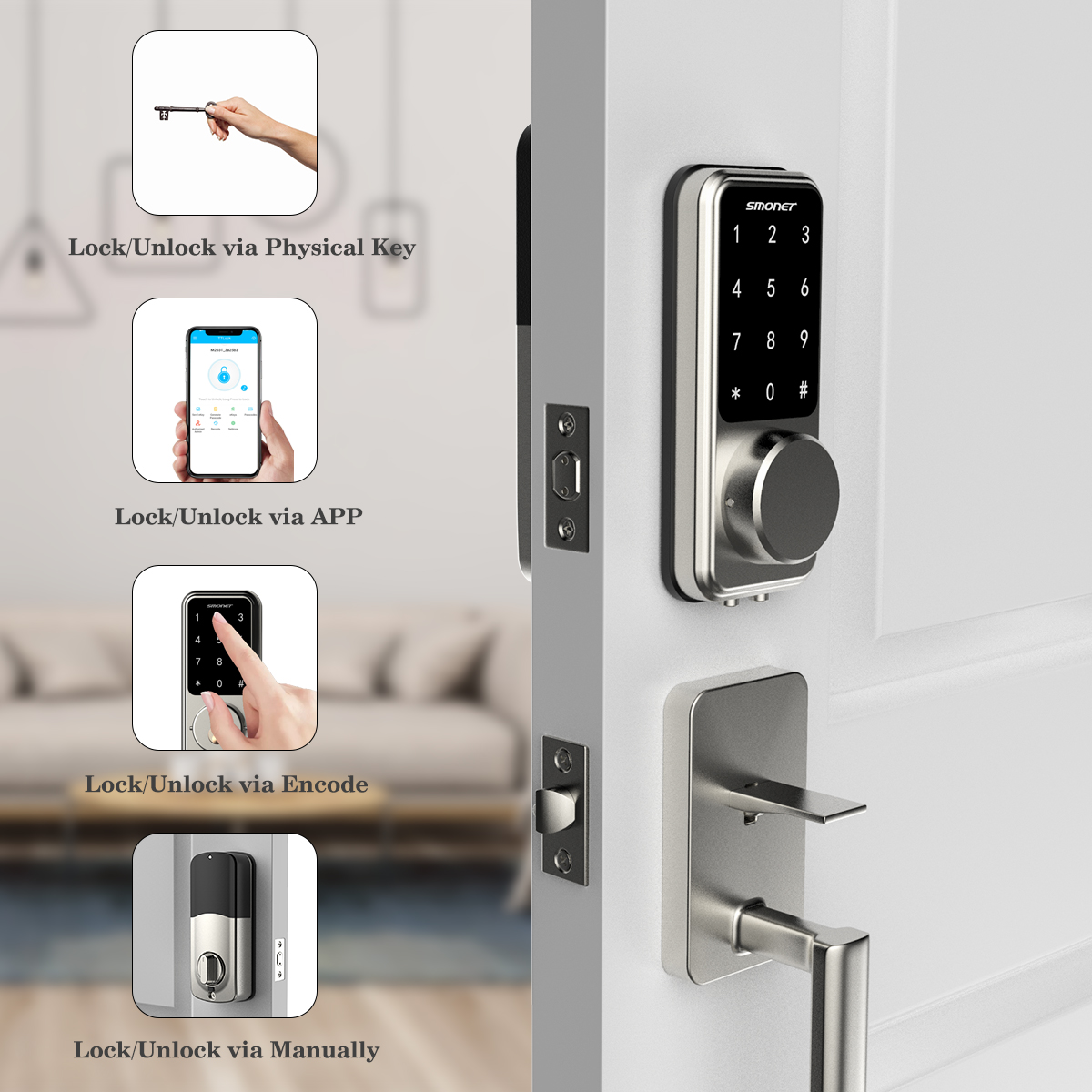
Smart locks come in different styles to fit various doors. Keypad locks use a code you enter to open the door. Bluetooth locks connect to your phone when nearby. Wi-Fi locks allow remote control from anywhere. Some models combine these features for more options. Each type offers unique ways to secure your home.
Core Components
Every smart lock has a few key parts. The lock mechanism physically secures the door. A motor or actuator moves the lock bolt. The control panel or app lets you manage access. Sensors detect if the door is open or closed. Batteries power the lock and must be checked often. These components work together for smooth operation.
Credit: www.gokeyless.com
Unlocking Methods
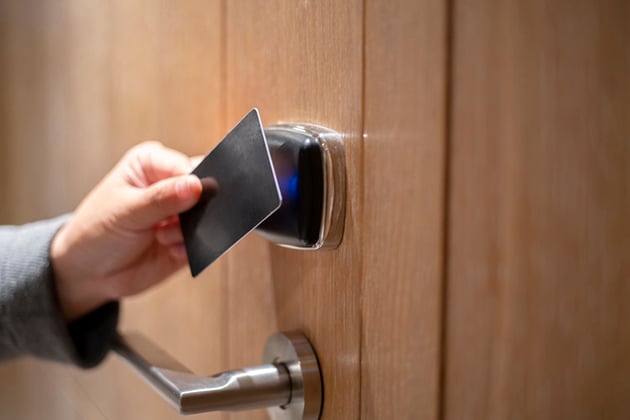
Smart door locks offer different ways to open your door. These methods give you more control and convenience. They make it easier to get in without traditional keys. Each method has its own benefits and uses.
Keypad Entry
This method uses a numeric keypad. You enter a code to open the lock. It is simple and does not require any device. You can change the code anytime for safety. Perfect for families and guests.
Biometric Access
Biometric access uses unique body features. Common types are fingerprint or facial recognition. It is very secure because only you can use it. No need to remember codes or carry keys. Quick and easy for daily use.
Smartphone Control
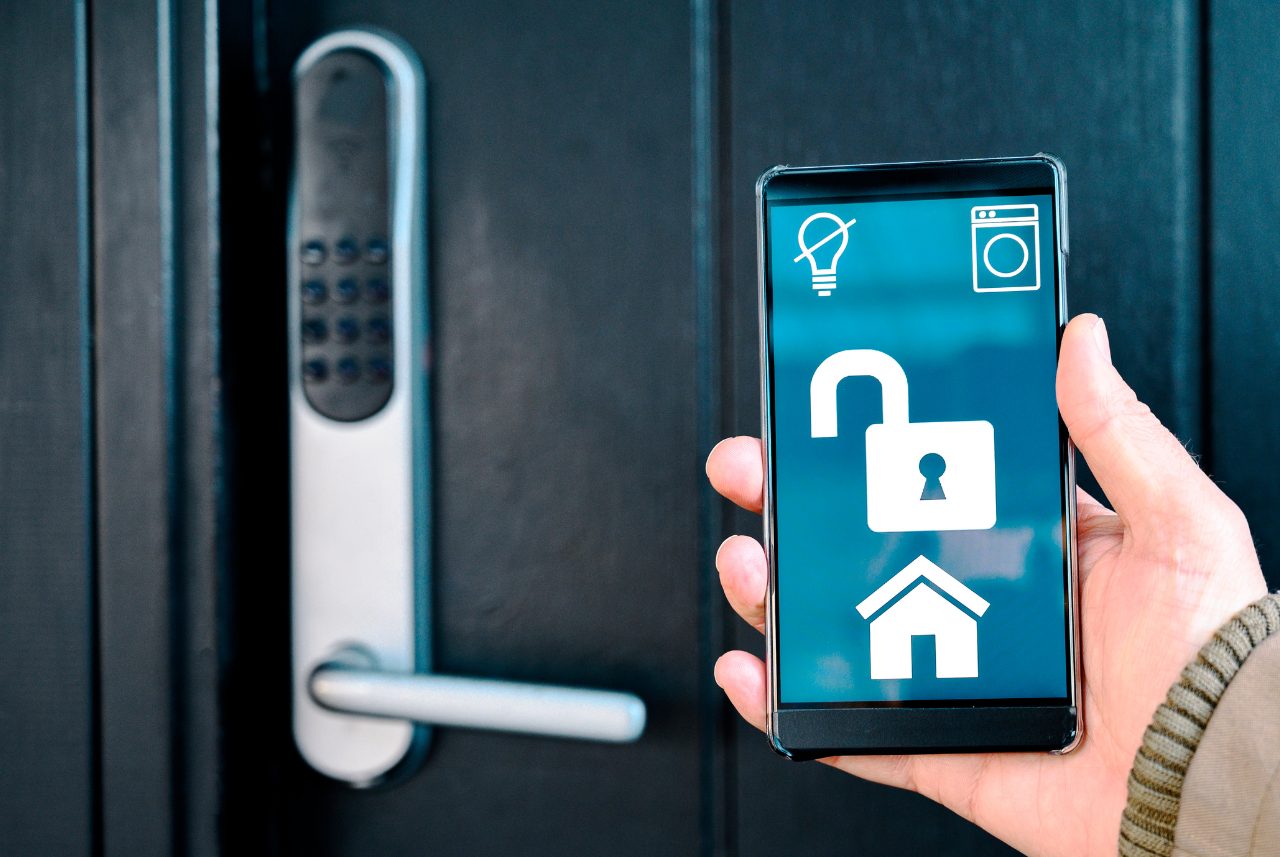
Many smart locks connect with your phone. You use an app to open the door. It works with Bluetooth or Wi-Fi. You can see the lock’s status from anywhere. Handy for busy people and those who forget keys.
Remote Unlocking
This method lets someone open your door from far away. You control the lock through an app or website. Great for letting in guests or service workers. You stay in charge even if not at home.
Security Features
Smart door locks offer more than convenience. They provide strong security features that protect your home. These features help stop break-ins and keep your family safe. Understanding these security parts helps you trust your smart lock more.
Encryption And Authentication
Smart locks use encryption to protect your data. Encryption turns information into a secret code. This code is hard for hackers to break. Authentication checks if the person trying to unlock is allowed. It uses passwords, fingerprints, or phone signals. This stops strangers from opening your door.
Tamper Alerts
Many smart locks send alerts if someone tries to break them. These tamper alerts notify you on your phone. You can act fast if a break-in is attempted. Some locks also sound an alarm to scare off intruders. This feature adds an extra layer of safety.
Auto-lock Functions
Smart locks can lock themselves automatically after a set time. This stops your door from being left open by mistake. You can set the lock to engage after you leave. It gives peace of mind, knowing your home is secure. Auto-lock helps keep your house safe all day.
Connectivity Options
Smart door locks connect to your phone or home system in different ways. These connections let you control the lock from anywhere. Each method has its own benefits and suits different needs. Understanding the options helps you pick the right smart lock for your home.
Bluetooth
Bluetooth connects your phone directly to the lock. It works best when you are near the door. The connection is fast and uses little power. You can unlock the door by tapping a button on your phone. Bluetooth locks often do not need internet access.
Wi-fi
Wi-Fi smart locks connect to your home internet. This lets you control the lock from anywhere in the world. You can check the lock status and receive alerts on your phone. Wi-Fi locks use more battery but offer great convenience and remote access.
Zigbee And Z-wave
Zigbee and Z-Wave are wireless networks made for smart homes. They connect the lock to a smart home hub. The hub links many devices together for easy control. These networks use low power and are very secure. They work well if you have other smart devices at home.
Installation And Setup
Installing a smart door lock is simpler than many expect. The process includes checking door compatibility, installing the hardware, and setting up the app. Each step ensures your smart lock works smoothly and secures your home.
Compatibility With Existing Doors
Smart locks fit most standard doors. Measure your door’s thickness before buying. Check if the lock matches your door’s backset size. Also, confirm the lock works with your door type, like wood or metal. Some locks need a specific hole size. This step avoids installation problems later.
Step-by-step Installation
Start by removing your old lock. Keep the screws as you may need them. Place the smart lock on the door’s exterior side. Attach the interior part aligned with the exterior. Secure both parts with screws. Insert batteries to power the lock. Test the lock manually to ensure smooth movement.
App Configuration
Download the lock’s app from the app store. Create an account or log in. Connect the lock to your Wi-Fi or Bluetooth. Follow app instructions to pair the lock with your phone. Set access codes or use fingerprint options. Test app control by locking and unlocking remotely.
Advantages Over Traditional Locks
Smart door locks offer many benefits compared to traditional locks. They provide better control and improve home security. These locks use technology to make access easier and safer. Below are the main advantages that make smart locks a preferred choice.
Enhanced Security
Smart locks use advanced technology to protect your home. They often include encryption to stop hackers. Many have alarms that alert you to break-in attempts. These locks reduce risks linked to lost or copied keys. You can also track who enters and leaves your home.
User Convenience
Smart locks let you open doors without keys. Use codes, fingerprints, or smartphones to unlock. No more fumbling with keys or worrying about losing them. You can open doors remotely for guests or deliveries. This saves time and adds comfort to daily life.
Access Management
Smart locks allow you to control who enters your home. Give temporary or permanent access to family or visitors. You can change or delete access codes anytime. This feature helps keep your home secure and flexible. It is easy to monitor access from your phone.
Potential Challenges
Smart door locks offer convenience and security. Yet, they come with some challenges. These can affect their performance and your experience. Understanding these issues helps you prepare better.
Power And Battery Life
Smart locks run on batteries. If batteries die, the lock may stop working. This can leave you locked out or unable to lock the door. Regular battery checks are important. Some locks send alerts when battery is low. Keep spare batteries handy for emergencies.
Hacking Risks
Smart locks connect to the internet or Bluetooth. This opens a chance for hackers. They might try to break into your lock remotely. Using strong passwords and updating software can reduce risk. Avoid using default codes or simple passwords. Choose locks with good security features.
Connectivity Issues
Smart locks rely on signals from Wi-Fi or Bluetooth. Weak signals can cause delays or failures. This might stop the lock from responding. Place your lock near your router or device. Check your home’s signal strength often. A stable connection ensures smooth operation.
Future Trends
The future of smart door locks looks very promising. New technology is making these locks smarter and easier to use. They will do more than just lock and unlock doors. Expect better security and more convenience in the near future.
Integration With Smart Homes
Smart door locks will work better with other smart devices. They will connect with lights, cameras, and alarms. This creates a safer home environment. You can control everything from one app on your phone. This makes managing your home simple and fast.
Ai And Voice Control
Artificial intelligence will help smart locks learn your habits. Locks will recognize your voice commands clearly. You can lock or unlock doors by speaking. AI can also detect unusual activity and alert you. This adds an extra layer of protection for your home.
Biometric Advancements
Biometrics will become more common in smart locks. Fingerprint scanners will get faster and more accurate. Some locks might use facial recognition or even retina scans. These features make it harder for intruders to get inside. Biometrics offer a quick and secure way to access your home.
Credit: www.vesternet.com
Frequently Asked Questions
How Do Smart Door Locks Enhance Home Security?
Smart door locks use encryption and authentication to prevent unauthorized access. They allow remote locking, real-time alerts, and activity logs, improving overall home security.
Can Smart Door Locks Work Without Wi-fi?
Yes, many smart locks operate via Bluetooth or keypad codes, allowing local access without Wi-Fi. However, remote features often require an internet connection.
What Types Of Access Do Smart Door Locks Support?
Smart locks typically support keyless entry via smartphones, PIN codes, biometric scans, or traditional keys for convenience and flexibility.
Are Smart Door Locks Compatible With Home Automation Systems?
Most smart locks integrate smoothly with popular home automation platforms like Alexa, Google Home, or Apple HomeKit for voice control and automation.
Conclusion
Smart door locks offer easy and secure access to your home. They use technology like Bluetooth, Wi-Fi, or codes to control entry. You can lock or unlock doors remotely with a smartphone. These locks also allow sharing temporary access with guests.
Many models send alerts when someone enters or leaves. They improve safety without needing traditional keys. Choosing the right smart lock depends on your needs and budget. This technology makes home security more flexible and convenient for everyone.