
Thinking about giving your pet the freedom to come and go as they please? Installing a pet door might seem like a simple task, but how difficult is it really?
You might worry about tools, measurements, or even damaging your door or wall. What if you don’t have much experience with home projects? Don’t let these concerns stop you. You’ll discover exactly what’s involved in installing a pet door, step by step.
By the end, you’ll know whether it’s something you can handle yourself or if you should call in a pro. Ready to find out? Let’s dive in.
Assessing Your Door Type
Installing a pet door starts with knowing your door type. Each door has unique features that affect installation. Understanding these details helps avoid mistakes and ensures a perfect fit. This step saves time and effort.
Materials And Construction
Doors come in many materials like wood, metal, or fiberglass. Wood is easier to cut but may need extra care. Metal doors are strong but harder to modify. Fiberglass doors need special tools for cutting. Check if your door has insulation or glass panels. These features affect how you install the pet door. Some materials may require professional help.
Measuring For Fit
Measure your door carefully before buying a pet door. Measure height and width where you want to install it. Use a tape measure and write down the numbers. Check for space around handles or locks that could block the pet door. A good fit keeps your home safe and energy efficient. Double-check measurements to avoid buying the wrong size.
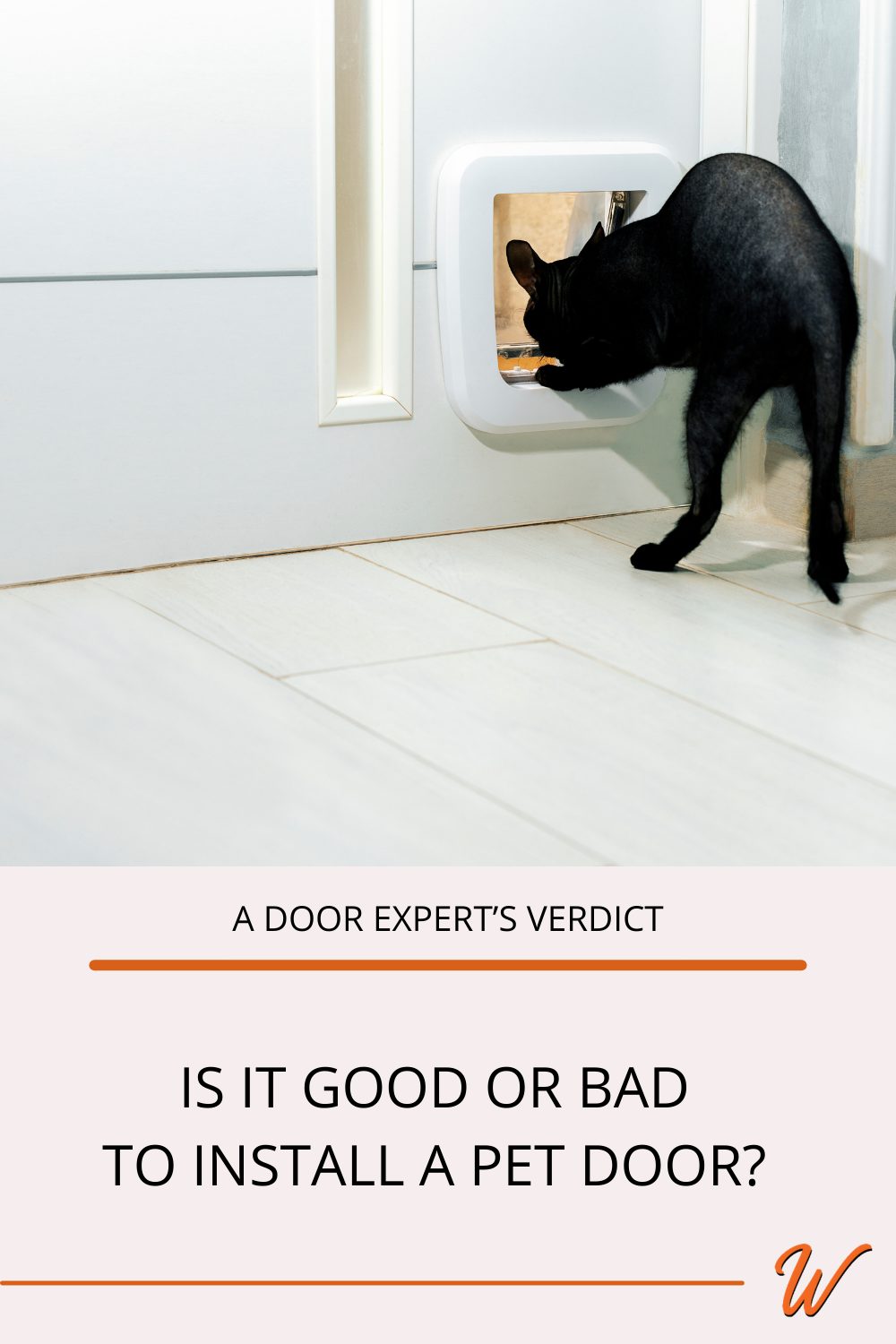
Credit: www.windowworksnc.com
Tools And Materials Needed
Installing a pet door requires some tools and materials. Having the right items makes the job easier and safer. This section covers what you need before starting your pet door project.
Basic Tools Checklist
Start with a tape measure to get exact door dimensions. A pencil helps mark cutting lines on the door or wall. Use a drill with bits to make holes for screws and cutting outlines. A jigsaw is best for cutting the door opening smoothly. Screwdrivers are necessary to attach the pet door securely. Sandpaper or a file smooths rough edges after cutting. Safety glasses protect your eyes during drilling and cutting. Gloves keep your hands safe from sharp edges.
Choosing The Right Pet Door
Select a pet door that fits your pet’s size. Measure your pet from nose to tail and height from the ground. Pick a door designed for the type of wall or door you have. Some pet doors work best on wooden doors, others on walls or glass. Choose one with good insulation to save energy. Magnetic or electronic flaps can prevent unwanted animals from entering. Match the door’s style with your home for a neat look.
Step-by-step Installation Process
Installing a pet door requires careful steps to ensure it fits well and works properly. The process involves preparing the door, cutting a precise opening, fitting the frame, and sealing the edges. Following each step carefully makes the installation smooth and safe for your pet.
Preparing The Door
Start by choosing the right door for installation. Clear the area of dirt and dust. Measure your pet’s size to pick the correct door size. Mark the spot on the door where you will cut. Double-check all measurements before cutting. Use a pencil for clear, visible marks.
Cutting The Opening
Wear safety glasses and gloves before cutting. Drill starter holes at the marked corners. Use a jigsaw to cut along the lines carefully. Cut slowly to avoid splintering the door. After cutting, smooth the edges with sandpaper. This step helps the frame fit better.
Installing The Frame
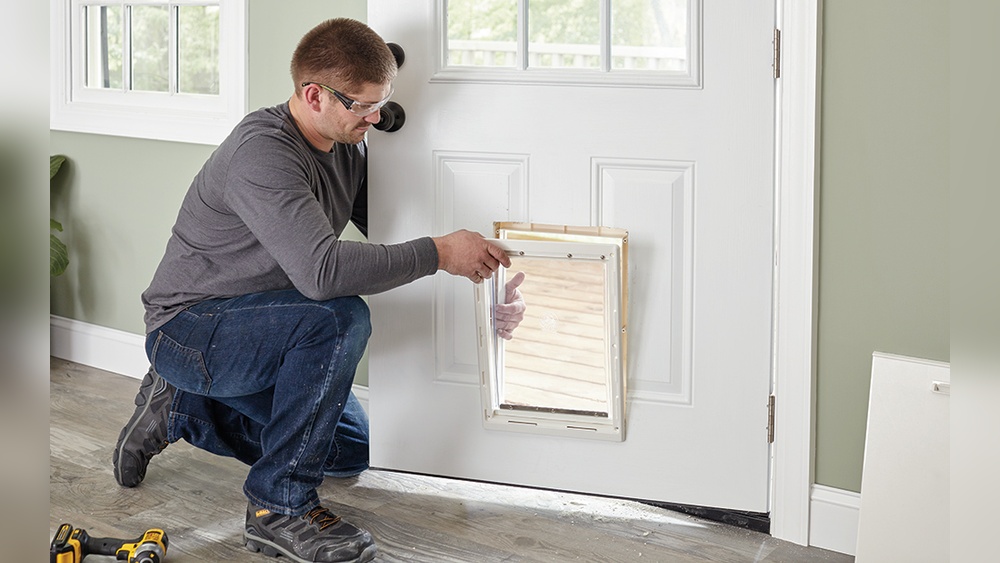
Place the pet door frame into the opening. Make sure it fits snugly and is level. Use screws provided with the door to secure the frame. Tighten screws evenly to avoid gaps. Check the flap moves freely without catching. Adjust if needed for smooth operation.
Sealing And Finishing
Apply weatherproof sealant around the frame edges. This stops drafts and water leaks. Wipe off excess sealant with a damp cloth. Let the sealant dry fully before use. Finally, clean the area and test the pet door. Your pet can now enjoy easy access outside.
Common Challenges And Solutions
Installing a pet door can be tricky. Some common challenges often slow down the process. Knowing the right solutions helps complete the job smoothly. This section covers typical problems and how to fix them.
Dealing With Metal Or Fiberglass Doors
Metal and fiberglass doors are tough to cut. They need special tools like a jigsaw with a metal blade. Drilling pilot holes makes cutting easier and safer. Work slowly to avoid cracking or bending the door.
Use a sharp blade for clean edges. Sand the cut edges to prevent injuries to pets. If unsure, ask a professional for help. This avoids damage and keeps the door strong.
Ensuring Proper Insulation
Pet doors can cause drafts and heat loss. Adding weatherstripping around the door frame blocks cold air. Choose pet doors with built-in insulation for better protection.
Seal gaps with caulk to keep out moisture and air leaks. Proper insulation saves energy and keeps your home comfortable. Check the door regularly for wear and replace seals when needed.
Avoiding Structural Damage
Cutting a hole in the door may weaken it. Measure twice and mark carefully before cutting. Avoid cutting near hinges or locks to keep the door stable.
Use a reinforcing plate if needed. This adds strength around the pet door. Tighten screws securely but don’t overtighten to prevent cracking. Careful work protects your door and home.
Safety And Security Tips
Installing a pet door can make life easier for both pets and owners. Safety and security must be a top priority. Pets need freedom, but homes need protection. This section offers useful tips on keeping your home safe.
Locking Mechanisms
Choose a pet door with a secure locking system. Locks prevent unwanted use by other animals or people. Some doors have manual locks you slide or twist. Others use electronic locks activated by your pet’s collar. Electronic locks add extra security and convenience. Check the lock often to ensure it works well.
Preventing Unwanted Entry
Limit who can use the pet door. Select a door sized only for your pet. Large doors can invite bigger animals or intruders. Consider doors with selective entry features. Some models read a microchip or collar tag. This stops other animals from entering your home. Keep the area around the door clean and visible. Good lighting helps spot any suspicious activity.
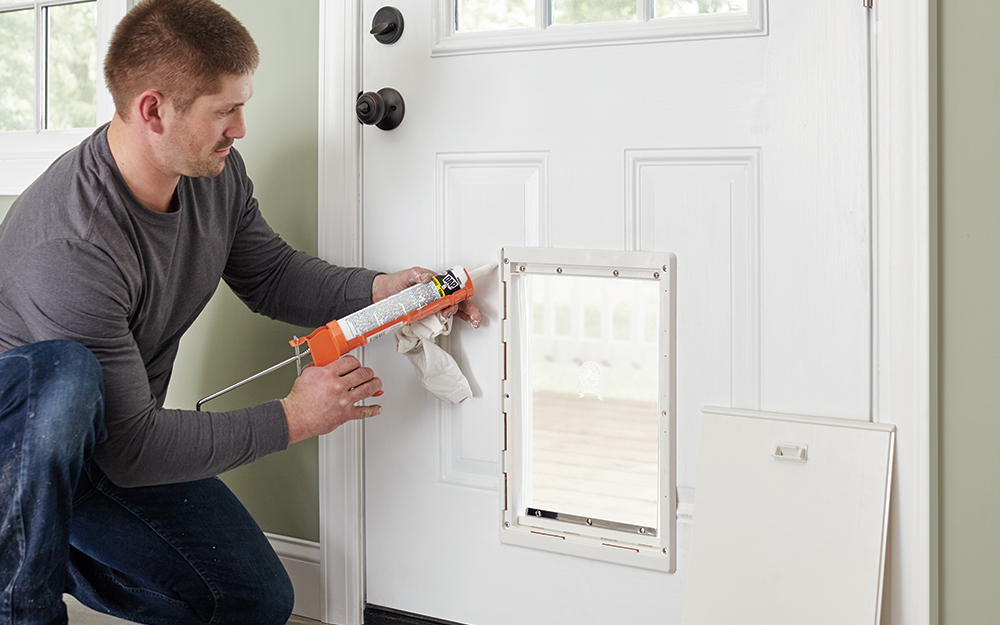
Credit: www.homedepot.com
Maintaining Your Pet Door
Maintaining your pet door is important to keep it working well. A well-kept door lasts longer and stays safe for your pet. Regular care helps avoid problems and keeps the door clean.
Small efforts can save time and money on repairs. Knowing simple maintenance steps makes pet door care easy.
Regular Cleaning
Clean the pet door often to stop dirt build-up. Use a soft cloth and mild soap with water. Wipe the flap and frame carefully to remove dust and grime. Dry the door after cleaning to stop rust or damage. Check for spider webs or insects around the door. Clean these away to keep the path clear for your pet.
Troubleshooting Issues
Watch for signs of trouble like a stuck flap or strange noises. Check the hinges and screws to ensure they are tight. Loose parts can cause the door to jam. If the flap does not close well, clean the edges and check for damage. Replace worn parts quickly to keep the door working smoothly. Test the door often to catch problems early.

Credit: www.liftingitalia.com
Frequently Asked Questions
How Hard Is It To Install A Pet Door Yourself?
Installing a pet door yourself is moderately easy with basic tools. Clear instructions and patience are key. Some experience with power tools helps. Most doors come with detailed guides to simplify the process.
What Tools Do I Need To Install A Pet Door?
You need a drill, jigsaw, screwdriver, measuring tape, and pencil. Safety glasses and gloves are also recommended. These tools help create the right-sized hole and secure the door firmly.
Can I Install A Pet Door In A Glass Door?
Yes, but it requires a special pet door designed for glass. Installation usually needs professional help to avoid damaging the glass. These doors often come with mounting kits for secure fitting.
How Long Does Pet Door Installation Usually Take?
Installation typically takes 1 to 3 hours, depending on door type and skill level. Preparation and measuring can add extra time. Following instructions carefully speeds up the process.
Conclusion
Installing a pet door can be simple or a bit tricky. It depends on your door type and tools. Measuring carefully helps avoid mistakes. Taking your time makes the job easier. Many pet owners do it themselves with success. You might need help if cutting into metal or glass.
Reading instructions before starting is very useful. A well-installed pet door gives pets freedom and comfort. Don’t rush; stay patient and focused. Soon, your pet will enjoy going outside anytime. It’s worth the effort for both you and your pet.