
Have you ever wished your pet could come and go freely without you constantly opening the door? An electronic pet door makes that possible, giving your furry friend independence while keeping your home secure.
But how does this clever device actually work? Understanding the technology behind it can help you decide if it’s the right choice for your home and pet. Keep reading to discover how an electronic pet door operates and why it might be the perfect solution for you and your pet’s lifestyle.

Credit: www.petsafe.com
Types Of Electronic Pet Doors
Electronic pet doors offer smart ways for pets to go in and out. They use different technology to allow only your pet to enter or exit. Each type works differently to keep your home secure and your pet safe. Here are the main types of electronic pet doors.
Magnetic Collar Doors
These doors open when your pet wears a special magnetic collar. The door senses the magnet and unlocks. It stays locked for other animals without the collar. Easy and simple, this system works well for small pets.
Radio Frequency Identification Doors
RFID doors use a small tag on your pet’s collar. The door reads the tag’s signal and opens. It stops other animals from entering. RFID doors offer good security and are reliable.
Infrared Sensor Doors
Infrared doors detect your pet’s unique heat or shape. They open only when they sense your pet nearby. This system does not need a collar. It is handy for pets that dislike collars.
Programmable Timers
Some doors include timers to control access times. You can set when the door locks or opens. This helps keep your pet safe at night. It also stops stray animals from entering your home.
Key Components
Electronic pet doors work through a few key parts. Each part plays a role in making the door open and close safely. These components help keep pets safe and stop other animals from entering.
Sensors And Detectors
Sensors detect your pet near the door. They use tags or collars your pet wears. The door opens only for pets with the right tag. This stops unwanted animals from coming inside.
Control Panel
The control panel manages the door’s actions. It processes signals from the sensors. You can set times for the door to lock or unlock. Some panels let you control the door remotely.
Locking Mechanism
The locking mechanism keeps the door secure. It locks the door when the pet is away. This prevents other animals from entering your home. The lock releases only when your pet is near.
Power Sources
Electronic pet doors need power to work. Most use batteries for easy installation. Some connect to your home’s electricity for constant power. Battery backup options keep the door working during outages.
How Sensors Detect Your Pet
Electronic pet doors use sensors to detect your pet’s presence. These sensors allow the door to open only for your pet. This keeps other animals out and keeps your home safe. Different types of sensors work together to identify your pet accurately.
Collar Transmitters
Many pet doors use collar transmitters to detect pets. The pet wears a small device on its collar. This device sends a unique signal to the door. The door opens only when it receives this signal. It prevents other animals from entering your home.
Motion And Proximity Sensors
Motion sensors detect movement near the door. They sense when your pet is close. Proximity sensors can tell how near the pet is. These sensors work without needing a collar. They help in recognizing pets quickly and safely.
Signal Range And Accuracy
Signal range determines how far the pet can be detected. Good accuracy means the door reacts only to your pet. Poor accuracy can cause the door to open for other animals. Most systems balance range and accuracy for best results.

Credit: kdfoundation.org
Installation Process
Installing an electronic pet door is a straightforward process. It requires careful measuring and some basic tools. You can fit the door in wood, metal, or even glass doors with the right kit. Each step ensures your pet uses the door safely and easily.
Measuring And Preparing The Doorway
Start by measuring your pet’s height and width. Mark the door at your pet’s shoulder level for comfort. Use a pencil to outline the opening size on the door. Remove any obstacles or decorations from the area. Check that the door surface is clean and smooth.
Mounting The Door Frame
Cut the marked section carefully using a jigsaw or handsaw. Smooth the edges with sandpaper to avoid splinters. Place the door frame into the cutout. Secure it with screws or brackets provided. Make sure the frame fits tight and does not wobble.
Programming The System
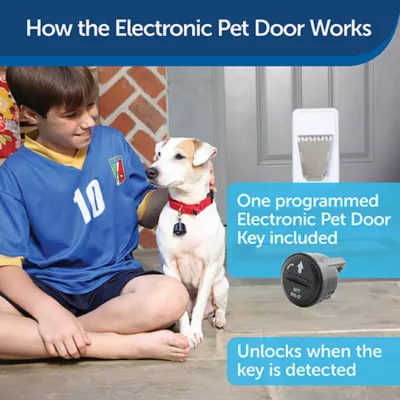
Power the pet door system using batteries or a plug. Follow the manufacturer’s guide to register your pet’s collar key. This step allows the door to unlock only for your pet. Set the timer or lock modes as needed. Programming helps keep unwanted animals out.
Testing And Adjustments
Test the door by bringing your pet close to it. Watch if the door opens and closes smoothly. Adjust the sensor sensitivity if the door does not react well. Check the locking mechanism for security. Repeat tests a few times for reliability.
Benefits For Pet Owners
Electronic pet doors offer many benefits for pet owners. They make life easier and safer for both pets and humans. With these doors, pets enjoy more freedom and owners gain peace of mind. The features of electronic pet doors improve daily routines and home safety. Here are some key benefits.
Convenience And Freedom
Pets can enter and exit without help. Owners do not need to open doors all day. This saves time and effort. Pets feel less stressed with control over their movement. It suits busy homes and active pets well.
Energy Efficiency
Electronic pet doors open only for your pet. This stops cold or hot air from escaping. It helps keep your home temperature steady. Energy bills can become lower. The door’s design prevents drafts and reduces heating or cooling loss.
Security Features
Only pets with a special collar can use the door. This stops unwanted animals from entering. The door locks automatically after use. It adds a layer of home protection. Owners feel safer knowing who can come in.
Health And Safety
Pets avoid being trapped inside or outside for long. They get fresh air and exercise on their own. The door prevents accidents from owners rushing to open doors. It also reduces stress for pets. Health and safety improve for everyone in the home.
Credit: www.petsmart.com
Common Issues And Troubleshooting
Electronic pet doors offer great convenience but can face common issues. These problems often affect door performance and pet access. Understanding these issues helps fix them quickly. Troubleshooting ensures your pet door works smoothly every day.
Sensor Malfunctions
Sensors detect your pet’s collar to open the door. Dirt or debris can block sensors and stop them from working. Sometimes sensors lose alignment or wear out over time. Cleaning sensors gently and checking their position can solve many problems. Replace sensors if they are damaged or broken.
Power Supply Problems
Electronic pet doors need steady power to work well. Batteries may drain fast or not fit properly. Wired doors can have loose connections or power outages. Check batteries regularly and replace them when low. Inspect wires and plugs for damage or loose contacts to keep power steady.
Pet Collar Issues
Your pet’s collar sends the signal to open the door. A dead battery in the collar stops the signal. The collar tag may be too far from the sensor. Collars can also get damaged or lost. Always check the collar battery and condition. Make sure your pet wears the collar correctly.
Environmental Interference
Weather and surroundings affect electronic pet doors. Heavy rain or snow can block sensors or door movement. Bright sunlight may confuse sensors or cause glare. Nearby metal objects can interfere with signals. Keep the door area clear and dry. Shield sensors from direct sun and remove metal near the door.
Maintenance Tips
Maintaining an electronic pet door keeps it working smoothly and lasts longer. Small care steps prevent common problems and ensure your pet’s safety. Follow these simple tips to keep your door in top shape year-round.
Regular Cleaning
Clean the door and sensors often. Dust and dirt can block sensors. Use a soft cloth and mild soap. Avoid harsh chemicals that damage parts. Check for debris around the flap. Clear any leaves or pet hair. Clean both sides for best results.
Battery Replacement
Replace batteries regularly to avoid power loss. Weak batteries cause the door to stop working. Check battery status monthly. Use the recommended battery type. Keep spare batteries at home. Proper power keeps sensors and motors running well.
Software Updates
Update the door’s software if available. Updates fix bugs and improve performance. Connect the door to Wi-Fi or use a USB drive. Follow the manufacturer’s instructions carefully. Updated software helps keep your pet safe and the door reliable.
Seasonal Adjustments
Adjust settings based on the season. In winter, check for ice or snow buildup. In summer, watch for heat effects on sensors. Change the sensitivity if needed. Seal gaps to keep out cold or heat. Seasonal care helps the door work in all weather.
Choosing The Right Electronic Pet Door
Choosing the right electronic pet door is important for your pet’s safety and comfort. The right door fits your pet’s size and behavior. It also matches your home’s security needs. Budget plays a role too. Picking a trusted brand with a good warranty adds peace of mind. Consider these factors carefully to find the best electronic pet door for your home.
Pet Size And Behavior
Measure your pet before buying a door. The door must be big enough for easy access. Small dogs need smaller doors. Large dogs require bigger doors. Think about your pet’s habits. Some pets may be shy or cautious. Choose a door that opens quietly and smoothly. This helps pets feel safe using it.
Home Security Needs
Electronic pet doors can keep unwanted animals out. Many models use sensors or chips to allow only your pet inside. This stops stray animals from entering your home. Look for doors with secure locking systems. Some doors lock automatically at night. This adds extra protection when you are asleep.
Budget Considerations
Pet doors come in a range of prices. Simple models cost less but have fewer features. High-end doors offer advanced security and convenience. Decide how much you want to spend. Balance cost with the features you need. Don’t forget to include installation costs in your budget.
Brand And Warranty
Choose brands known for quality and reliability. Good brands offer better customer support. Check if the door comes with a warranty. Warranties cover repairs or replacements. This saves money if the door breaks. Reading reviews can help find trusted brands.
Frequently Asked Questions
How Does An Electronic Pet Door Recognize Pets?
Electronic pet doors use sensors or microchips to identify pets. Only pets with registered tags or chips trigger the door to unlock. This ensures the door opens only for your pet, enhancing security and preventing stray animals from entering your home.
What Powers An Electronic Pet Door?
Most electronic pet doors are battery-operated or plug into an electrical outlet. Battery-powered models offer portability and easy installation. Electric models may include backup batteries to function during power outages, ensuring continuous operation.
Can Electronic Pet Doors Keep Other Animals Out?
Yes, electronic pet doors use selective sensors to allow only your pet inside. Unauthorized animals cannot trigger the door, effectively keeping unwanted pets or wildlife out. This selective access enhances home security and protects your pet.
Are Electronic Pet Doors Safe For Pets?
Electronic pet doors are designed with pet safety in mind. Sensors prevent the door from closing on pets and ensure smooth operation. Many models include manual locking features for added security during specific times.
Conclusion
Electronic pet doors help pets move freely and safely. They use sensors or collars to allow entry and exit. This keeps unwanted animals out. Many models work on batteries or electricity. Installation is usually simple and quick. Pet owners enjoy more convenience and peace.
These doors suit busy households well. Choosing the right type depends on your pet’s needs. Understanding how they work helps you decide better. An electronic pet door can make life easier for pets and owners alike.