
Your smoke detector is one of the most important safety devices in your home. But do you know how often to change its batteries?
Ignoring this simple task can put you and your loved ones at serious risk. You’ll discover the easy steps to keep your smoke detector working perfectly. By the end, you’ll feel confident that your home is safer—and you’ll never forget to replace those batteries again.
Keep reading to protect what matters most.

Credit: mammothsecurity.com
Smoke Detector Battery Types
Choosing the right battery for your smoke detector is important. Different types of batteries affect how long your detector works and how well it performs. Knowing the common battery models and the differences between lithium and alkaline batteries helps you keep your home safe.
Smoke detectors usually use standard batteries. The type you pick changes how often you need to replace them. Some batteries last longer, some are cheaper, and some work better in cold or hot weather.
Common Battery Models
Most smoke detectors use 9-volt batteries or AA batteries. The 9-volt battery is the most popular choice. It fits easily and provides enough power for the detector to work well. AA batteries are also common, especially in newer models. These batteries are easy to find in stores and are cost-effective.
Other less common types include lithium coin batteries and rechargeable batteries. These types are usually found in special smoke detectors or smart models. Always check the user manual to know which battery model fits your device.
Lithium Vs Alkaline Batteries
Lithium batteries last longer than alkaline ones. They can work up to 10 years in some smoke detectors. Lithium batteries also handle temperature changes better. They perform well in cold and hot conditions without losing power quickly.
Alkaline batteries are cheaper but need more frequent changing. Usually, they last about one year in a smoke detector. If you use alkaline batteries, test your detector often. Replace the battery as soon as you hear a low battery warning beep.
Choosing lithium batteries can save time on replacements. Alkaline batteries are good for short-term or budget use. Always pick batteries that match your detector’s instructions for best safety.

Credit: blacksburgfire.org
Recommended Battery Change Frequency
Knowing how often to change smoke detector batteries keeps your home safe. Batteries lose power over time. Changing them regularly ensures the alarm works when needed. Most experts suggest checking batteries at least once a year. Some recommend changing them twice a year for extra safety. Understanding the right frequency helps avoid false alarms or failures.
Manufacturer Guidelines
Every smoke detector comes with specific battery change advice. Check the user manual for exact instructions. Many brands suggest replacing batteries every 12 months. Others may use long-life batteries that last up to 10 years. Following the manufacturer’s advice keeps your device reliable. Always use the recommended battery type for best results.
Factors Affecting Battery Life
Battery life depends on several factors. Frequent alarm tests drain the battery faster. Environmental conditions like temperature and humidity affect battery health. Older smoke detectors may use more power. Using low-quality batteries reduces the lifespan. Regular monitoring helps spot weak batteries early. Replace batteries sooner if you hear warning beeps.
Signs To Replace Batteries Immediately
Knowing the signs to replace smoke detector batteries immediately keeps your home safe. Batteries lose power over time. Detecting low power early helps prevent failure during emergencies.
Some signs are easy to notice. Others need a quick test. Understanding these signs saves lives.
Low Battery Chirping
A soft chirp sound means the battery is low. The chirp repeats every minute or so. It is a warning, not a false alarm.
Do not ignore the chirp. Replace the battery right away. This keeps the smoke detector working properly.
Test Button Response
Press the test button on the detector. A loud alarm means the battery is good. No sound or a weak beep means the battery is weak.
Test the detector monthly. This check shows if the battery needs replacement. A working alarm saves lives during fires.
Best Practices For Battery Maintenance
Maintaining smoke detector batteries is key to home safety. Proper care helps avoid false alarms and missed alerts. Follow simple steps to keep batteries working well. Regular checks and smart storage protect your family.
Routine Testing
Test smoke detectors at least once a month. Press the test button until the alarm sounds. This ensures the battery and alarm work correctly. Replace batteries immediately if the alarm is weak or silent. Regular testing prevents surprises during emergencies.
Proper Battery Storage
Store spare batteries in a cool, dry place. Avoid extreme heat or cold to keep batteries fresh. Keep batteries in original packaging until use. Mixing old and new batteries can cause failure. Proper storage extends battery life and reliability.
Impact Of Battery Life On Safety
Battery life plays a key role in smoke detector safety. A fresh battery ensures the alarm works well. It alerts you early to smoke or fire. This gives more time to react and escape. Old or dead batteries can fail without warning. This puts lives and property at risk. Regular battery changes keep your home safe.
Risks Of Dead Batteries
Dead batteries stop smoke detectors from sounding alarms. Without sound, fires can go unnoticed. This leads to more damage and injuries. Many fires happen at night when people sleep. A silent alarm means no early warning. This increases chances of harm or worse. Checking batteries often prevents these risks.
Real-life Incident Examples
In one case, a family lost their home to fire. Their smoke detector had dead batteries. They woke up too late to escape safely. Another example involved a fire in an apartment building. Several alarms failed due to weak batteries. These incidents show why regular battery replacement matters. Lives depend on working smoke detectors.
Advancements In Smoke Detector Batteries
Smoke detector batteries have improved a lot in recent years. These changes help keep homes safer and reduce the need for frequent battery changes. New battery types last longer and work better with modern smoke detectors. This means less hassle and more peace of mind for families.
These advancements also help smoke detectors stay reliable. They alert users when batteries run low, so no surprises occur. The technology behind smoke detector batteries keeps evolving to meet safety needs.
Long-life Battery Technology
Long-life batteries can last up to ten years in smoke detectors. They use special materials that hold charge longer. This reduces the need to replace batteries often. Many smoke detectors now come with these batteries pre-installed.
These batteries offer steady power over time. They maintain strong performance even in cold or hot conditions. Long-life batteries help keep smoke detectors working well for years. This makes home safety easier and more reliable.
Smart Smoke Detectors
Smart smoke detectors use newer battery technology to improve safety. They connect to smartphones and send alerts about battery status. This helps users know when to change batteries early. The smart system also tests battery health regularly.
These detectors use energy-saving modes to extend battery life. They adjust power use based on need. Smart smoke detectors make battery care simple and efficient. They give more control and confidence to homeowners.
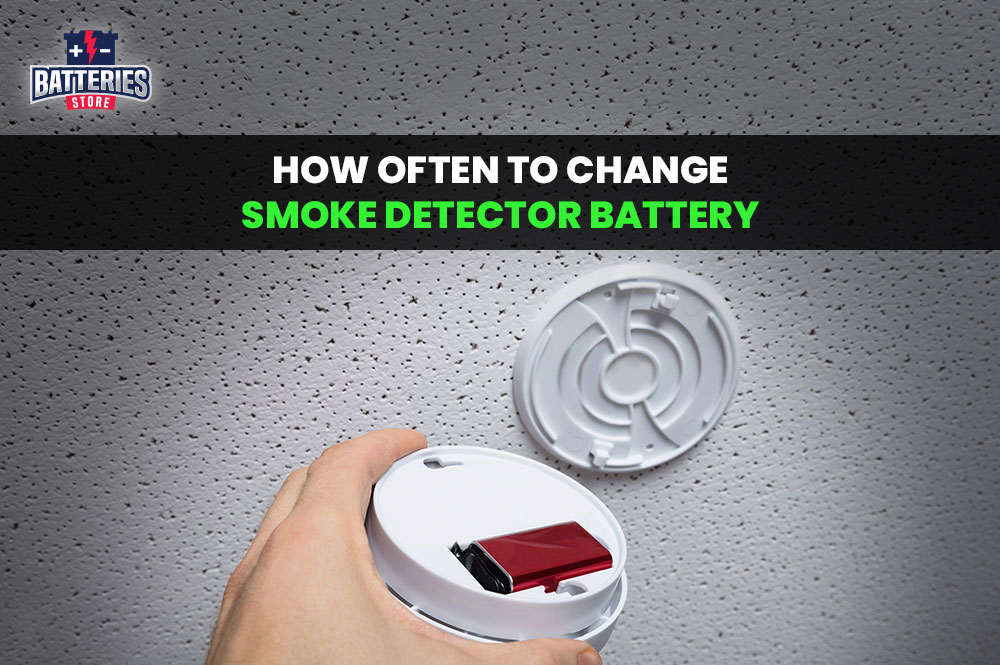
Credit: batteriesstore.ca
Frequently Asked Questions
How Often Should Smoke Detector Batteries Be Replaced?
Smoke detector batteries should be replaced at least once a year. Regular replacement ensures the device functions correctly and keeps your home safe.
What Are Signs Of A Dying Smoke Detector Battery?
A dying battery often causes a chirping sound every 30-60 seconds. This noise indicates it’s time to replace the battery immediately.
Can Smoke Detector Batteries Last Longer Than A Year?
Some batteries can last up to 10 years, especially lithium types. However, annual checks are essential to ensure the detector works properly.
Is It Safe To Use Rechargeable Batteries In Smoke Detectors?
Rechargeable batteries can be used but may discharge quickly. It’s best to use recommended battery types for reliable smoke detector performance.
Conclusion
Changing smoke detector batteries regularly keeps your home safe. Test detectors monthly to ensure they work well. Replace batteries at least once every year. Choose good-quality batteries for longer life and reliability. Don’t wait for the low-battery beep; be proactive.
Safe homes depend on working smoke detectors. Simple steps can protect your family from fire risks. Stay safe, stay prepared.